
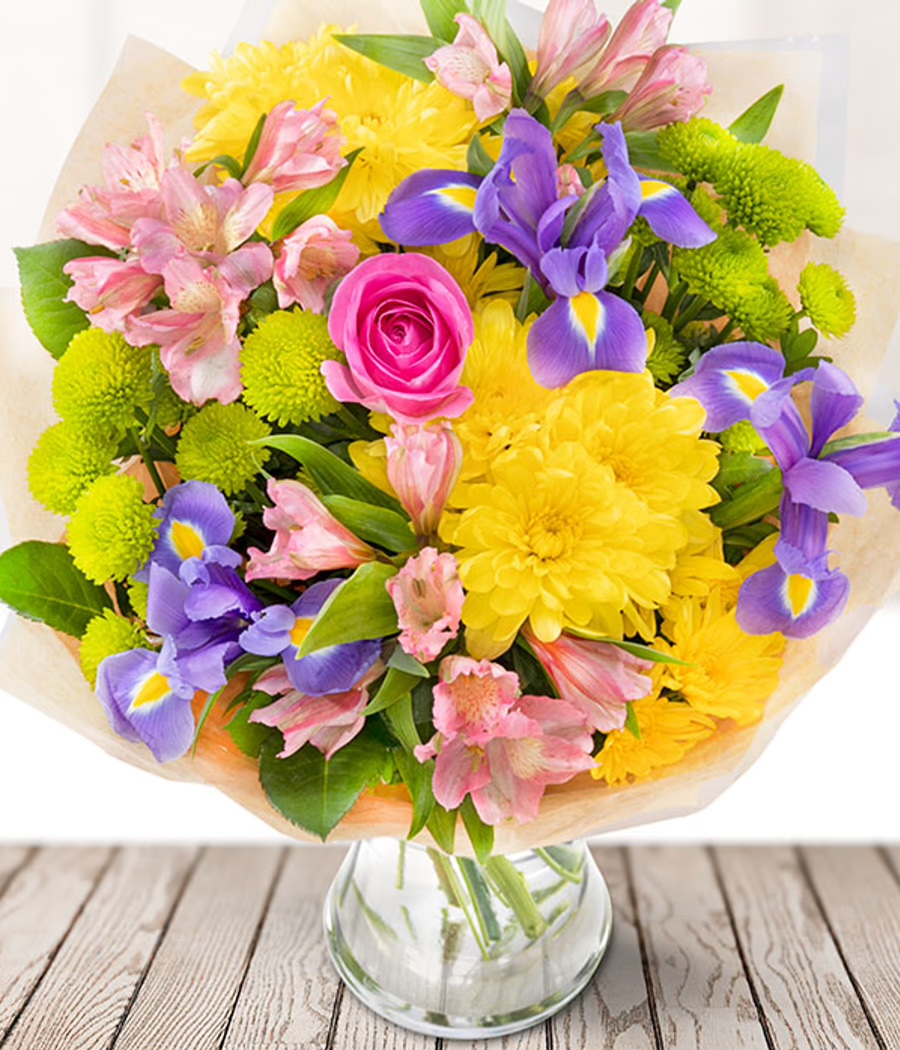
UK flower sending has real seasonal patterns — supply, pricing and delivery reliability all shift by month. Getting the timing right saves 15–30% on cost, gets you fresher stems, and dramatically improves delivery reliability. This calendar covers what to send and when to order across the 2026 UK year.
The four peaks — how early to order
The month-by-month calendar
Cheapest prices, high delivery capacity. Tulips (early), narcissi, ranunculus. Great for casual sends.
Biggest week of the year. Prices spike 30–50% Feb 8–14; red roses tighten. Order Feb 1–7 for best value.
Second-biggest event. Spring stems peak — tulips, daffodils, hyacinths. Order March 1–7 for best availability.
Milder demand. Ranunculus and anemones peak, tulips late, peonies just starting.
The most photogenic month. Peonies from mid-May, roses at their best. Wedding demand rises.
Peonies at absolute peak; delphiniums, foxgloves. Father's Day (21st) is a modest send.
Cheapest of the year with January. Sunflowers, gerberas, dahlias emerging. Delivery Pass value peaks.
High capacity, low prices. British-grown dahlias are the under-ordered value pick.
Autumnal stems arrive — dahlias, chrysanths. Anniversary sends spike consistently. Book early.
Dahlias, chrysanthemums, autumn foliage. Sympathy sends pick up pre-winter.
Quieter month. Chrysanthemums and lisianthus; stable prices, generous capacity.
Second-biggest week (Dec 20–24). Capacity stretched; Christmas Eve is same-day, high-risk. Order early.
★Timing rules that apply every season
- Order 24–48h ahead. Same-day works for standard courier but has no failure buffer.
- Peak weeks need earlier ordering. For Valentine's / Mother's Day / Christmas Eve, aim for 7 days.
- Named-day delivery is worth the £2–£4 upcharge for peak sends — it locks the arrival date.
- Sunday delivery has ~30% lower national coverage. Check the postcode.
- Sympathy sends should default to same/next-day via hand-arrangement for reliability.
Seasonal bouquet style guide
| Season | Signature stems | Palette |
|---|---|---|
| Winter (Dec–Feb) | Roses, chrysanths, hypericum berries, pine | Deep red, white, silver, dark greens |
| Spring (Mar–May) | Tulips, daffodils, hyacinths, ranunculus, peonies (late) | Pastels, yellow, soft pink, cream |
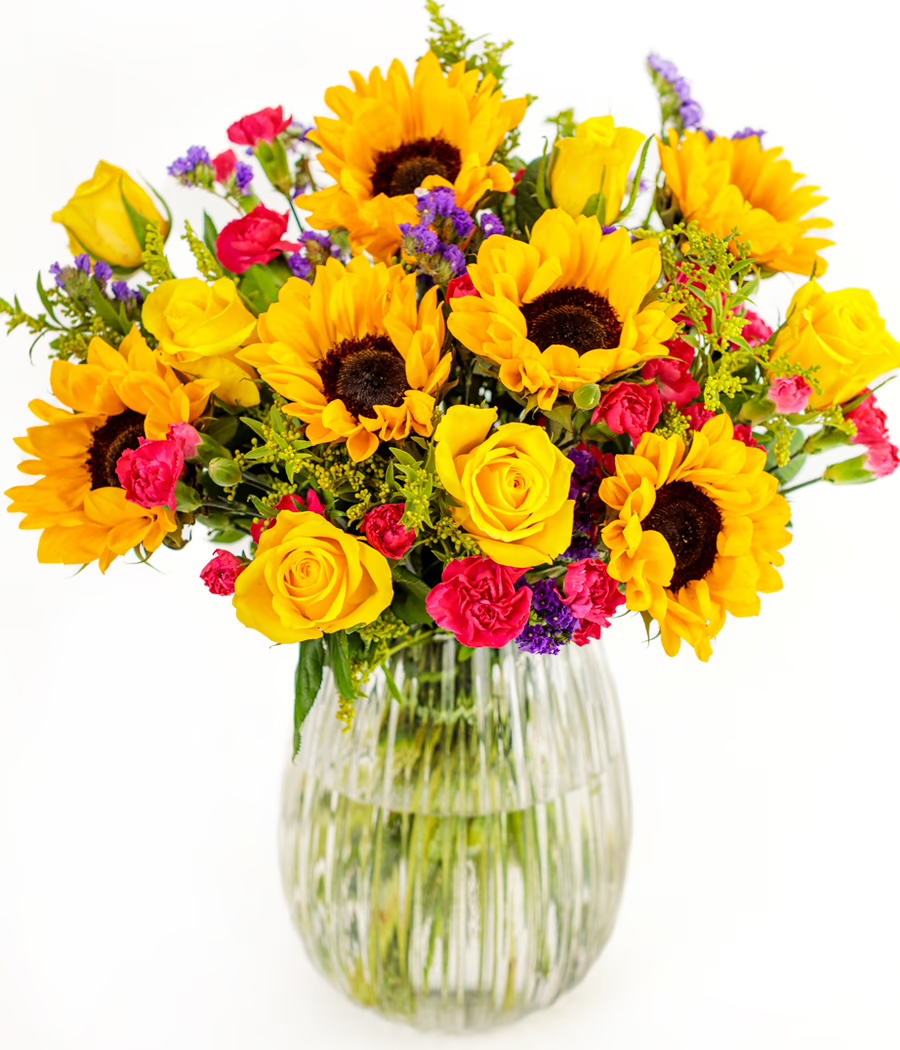
| Summer (Jun–Aug) | Peonies (Jun), roses, gerberas, sunflowers, dahlias (Aug) | Bright pink, orange, yellow, coral |
| Autumn (Sep–Nov) | Dahlias, chrysanthemums, alstroemeria, foliage | Rust, burgundy, orange, cream |
Choosing an in-season signature stem rather than an off-season classic often gets you a fresher, more beautiful bouquet at a lower price.
Send across a rolling six months — Valentine's + Mother's Day + a summer birthday + Christmas — and the £9.19 eFlorist Delivery Pass eliminates delivery fees on all of them.
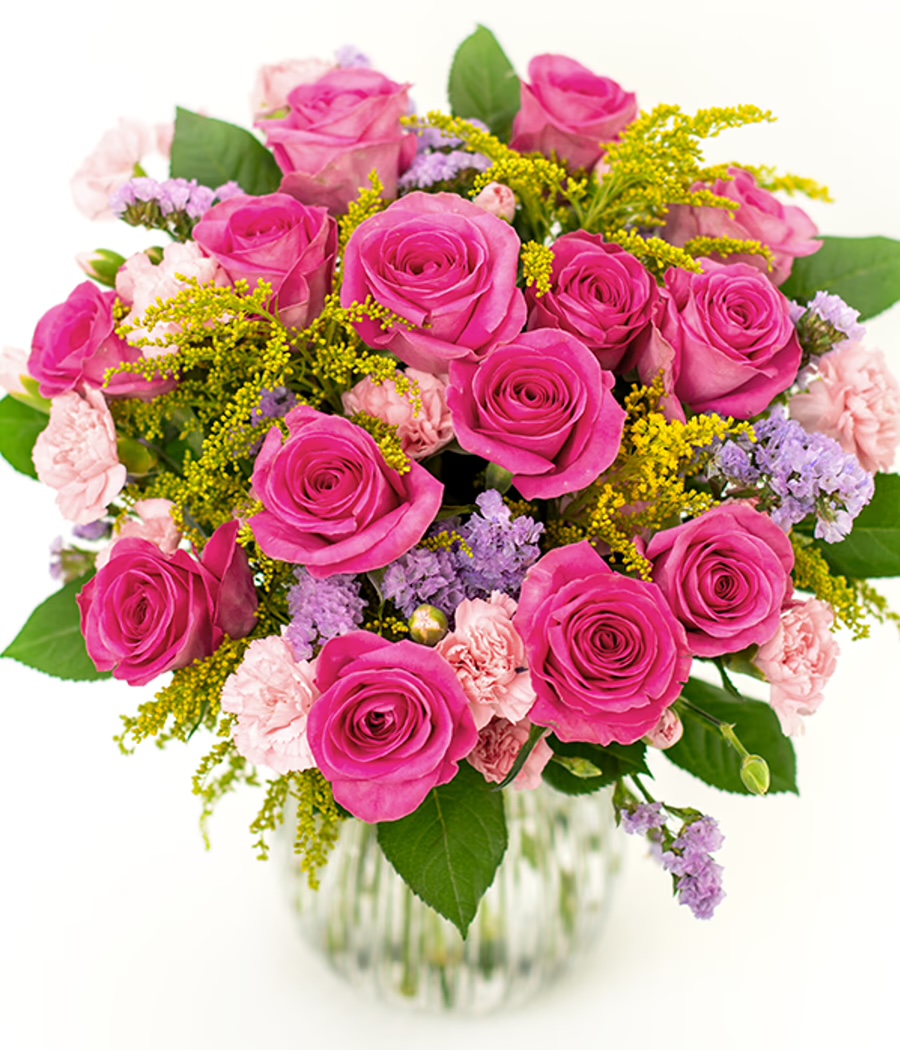
eFlorist — seasonal collections
In-season hand-tied bouquets from £20, refreshed through the year, with a 7-day freshness guarantee and the £9.19 Delivery Pass that pays for itself across peak sends.
🔒 Price Match Promise · 7-day freshness guarantee · nationwide florist network. Affiliate link — we may earn a commission at no extra cost to you.
FAQ
Cheapest week to send UK flowers? Third week of January or mid-July — 15–25% below the annual average.
How early for Valentine's or Mother's Day? 7–10 days ideally; 3–4 is workable. Same-day for Valentine's is a coin flip.
Most under-ordered in-season stem? British-grown dahlias in August/September — cheaper than roses, more visually interesting for the same money.
Want gear like this on your content calendar?
Join AffluencerHub, get AI-matched to brand programs that fit your audience, and track every click to commission in one place.
Apply as a Creator