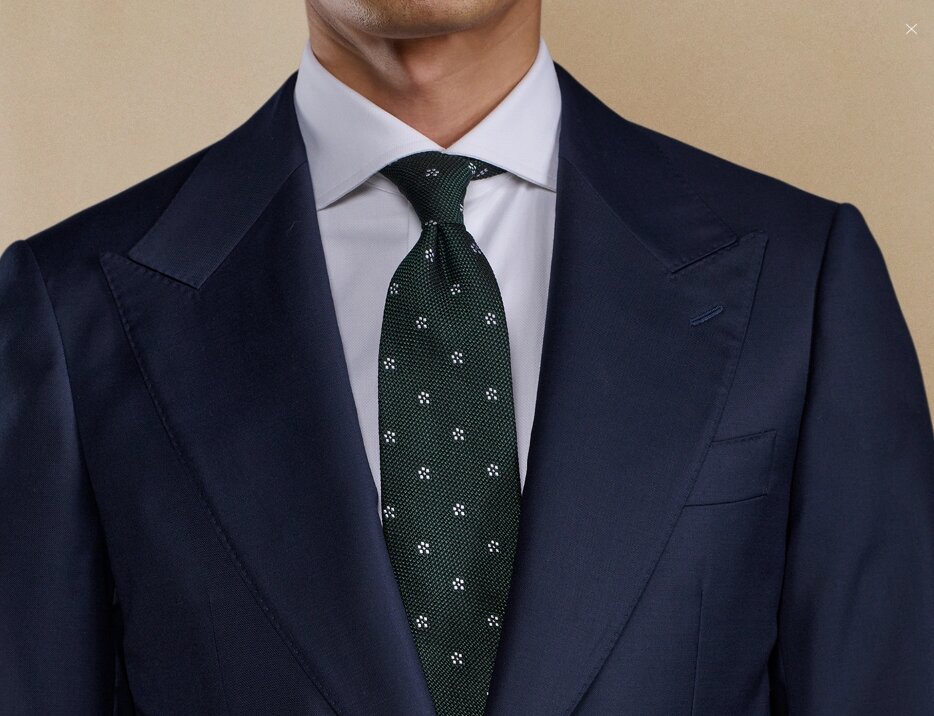
Buying a suit online sounds reckless until you realise most people buy the wrong suit in a store too — talked into the shape on the rack rather than the one that fits. A direct brand like Spier & Mackay, built on the idea that great fit and quality shouldn't be a luxury, makes a genuinely good online suit accessible, but only if you do the measuring and fit homework the store would normally do for you. Here's how to get it right. Links below use our affiliate tracking and open Spier & Mackay.
Measure before you shop, not after
The entire online-suit game is won or lost on measurements. Before you look at a single fabric, get your numbers: chest, waist, shoulder width, sleeve length, and inseam. Have someone help, use a soft tape held snug but not tight, and write everything down. These numbers, checked against the brand's size chart, are what replace the fitting room — and they're more reliable than "I'm usually a 40" because sizing varies between makers. Skip this step and you're guessing; do it and online becomes low-risk.
A reliable shortcut if you are unsure of your numbers: measure a garment you already own that fits you well, laid flat, and compare those figures to the brand's size chart alongside your body measurements. A jacket that fits across the shoulders and chest, or trousers that sit right at the waist and rise, give you a real-world reference that catches errors a tape alone can miss. Between your body measurements and a trusted existing garment, you can usually triangulate the right size with confidence.
Choose the fit that matches your body
Spier & Mackay offers more than one fit — typically slim and contemporary cuts — and picking the right one is as important as the size. A slim fit flatters a leaner frame and a modern look; a contemporary fit gives more room through the chest and seat and suits a broader build or a more classic preference. Don't choose on fashion alone — choose on your body and how you like a jacket to sit. The best size in the wrong fit still won't look right.
Understand what you're paying for
Part of buying well is knowing which details matter. In tailoring, construction is the big one: a canvassed or half-canvas jacket drapes and ages better than a fully fused one, and it's a feature value brands like this often deliver at prices where you'd normally expect fusing. Cloth matters too — a good wool holds shape and wears longer. Knowing these markers lets you recognise why the price is low for the make, rather than assuming cheap means lesser.
If a full suit feels like a big first bet, start smaller. A dress shirt or a pair of chinos from the same brand lets you judge the fabric, the make, and crucially how the sizing runs on your body, at a fraction of a suit's cost and risk. Many people use a shirt order as a calibration step, then order the suit once they know their size behaves as expected. It is the low-stakes way to test whether the brand suits you before the bigger commitment.
Choose your first fabric and colour wisely
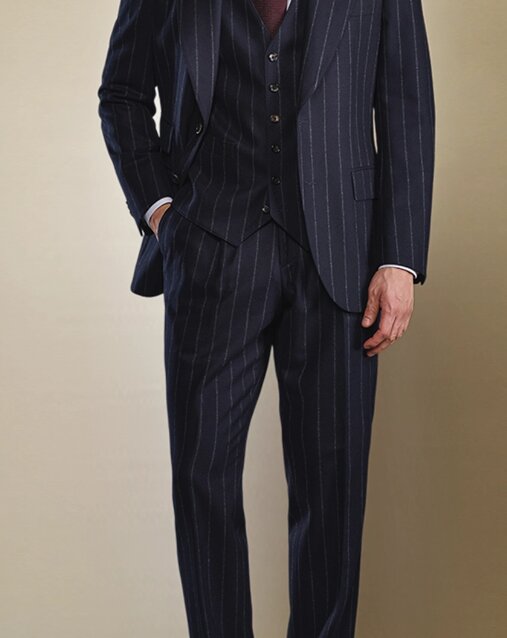
For a first suit, versatility beats personality. Colour first: navy or charcoal are the two that work for the widest range of occasions — office, wedding guest, interview, evening — and photograph well. Save lighter shades, patterns, and bolder cloths for a second or third suit once you have the essentials covered. Fabric next: a mid-weight wool is the all-season default, comfortable across most of the year and resilient enough for regular wear. Avoid very lightweight or very heavy cloth for a first buy, since each limits when you can wear it. The goal of a first suit is maximum wearability, so pick the combination you can put on for almost anything and build character into later purchases once the workhorse is in your closet.
Start with one piece, then build
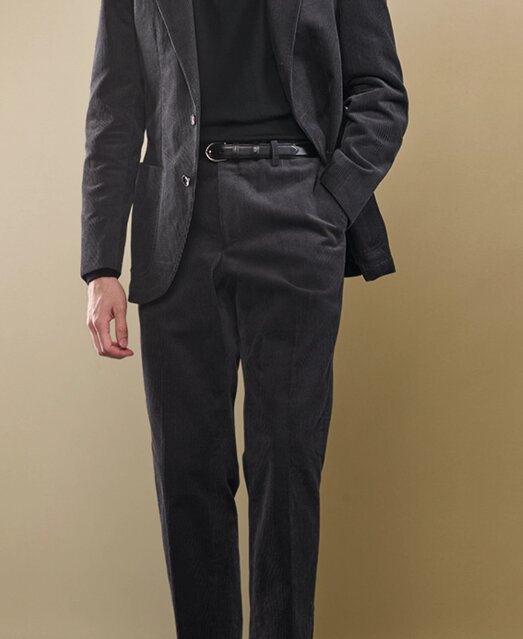
Resist the urge to order a full wardrobe on your first go. Buy one core item — a versatile navy or charcoal suit, or a single sport coat — and judge the fit and quality in person before committing further. Once you know how a given cut and size work on you, the rest of the range becomes low-risk, and you can build out shirts, chinos, and outerwear with confidence. A first order is as much about learning your fit as getting the garment.
Plan for the tailor
Even a great off-the-rack suit usually needs small adjustments — sleeve or trouser length, a slight waist nip — and that's true at every price point. Budget a quick visit to a local tailor as part of the purchase, not a sign something went wrong. A modest alteration turns a good fit into a sharp one, and because the base garment is strong value, the all-in cost still comes in well under a comparable department-store suit.
When you do visit the tailor, know the usual suspects so you can direct them: sleeve length with a little shirt cuff showing, trouser length and taper, and a waist suppression on the jacket if it sits boxy. Those are quick, inexpensive adjustments that make the biggest visible difference. Resist over-tailoring a first suit, though: take in only what clearly needs it, wear it a few times, and refine later if needed. A light, correct alteration beats an aggressive one you regret.
A first-order checklist
| Step | Why it matters |
|---|---|
| Take full measurements | Replaces the fitting room; beats guessing your size |
| Pick slim vs contemporary | Fit matters as much as size |
| Learn the construction markers | Know why the make is good for the price |
| Order one core piece first | Judge fit before building a wardrobe |
| Budget a local alteration | Turns a good fit into a sharp one |
FAQ
How do I size a suit I can't try on? Measure chest, waist, shoulders, sleeve, and inseam, and match them to the brand's size chart rather than assuming your usual store size.
Slim or contemporary fit? Slim for a leaner frame and modern look; contemporary for more room and a classic feel. Choose on your body, not on trend.
What should my first purchase be? One versatile core piece — a navy or charcoal suit, or a single sport coat — so you can judge fit before buying more.
Will I need alterations? Probably minor ones, as with any suit. Budget a local tailor; the value easily absorbs it.
Ready to buy a suit that fits and doesn't cost a fortune? Measure up and check the fits at Spier & Mackay before you order.
Disclosure: This post contains affiliate links. We may earn a commission from purchases made through these links at no extra cost to you. Fits, fabrics, and pricing were accurate at the time of writing.
Affiliate link — we may earn a commission at no extra cost to you.
Want gear like this on your content calendar?
Join AffluencerHub, get AI-matched to brand programs that fit your audience, and track every click to commission in one place.
Apply as a Creator