
A plain-spoken look at cost-per-serving and real value — sugar-free electrolyte powder versus the bottles and tablets most of us grew up on.
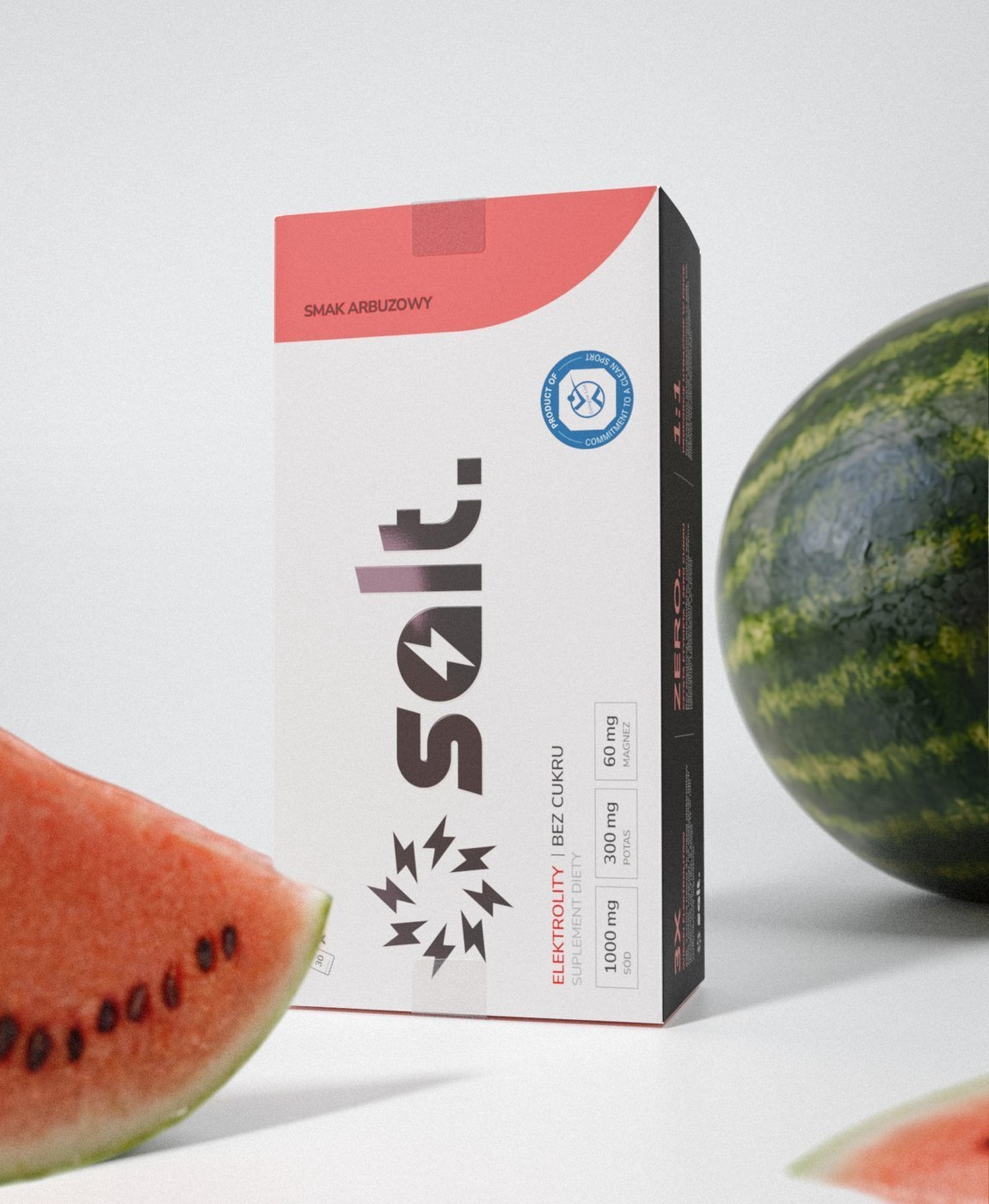
TL;DR: Bottled sports drinks and effervescent tablets are convenient, but you're often paying to ship water and sugar. A sugar-free electrolyte powder like Salt — the Warsaw-based brand that says it delivers up to roughly 3x more electrolytes than most market options — tends to make more sense per serving for anyone who trains regularly. If you want to weigh it up yourself, check Salt's current flavors and pricing here.
Why bother comparing at all?
Because most people default to whatever's in the shop fridge, and that default is usually a sugary isotonic bottle. It works — it's wet, it's flavored, it has some minerals — but it's rarely the best value or the cleanest option. If you hydrate around training more than once or twice a week, the difference between a per-bottle habit and a per-serving powder adds up fast, both in cost and in sugar.
This isn't a takedown. Each format has a real place. The goal here is to be honest about where your money goes and which one earns its spot in your gym bag.
At a glance
| Sugar-free powder (e.g. Salt) | Sugary sports drinks (e.g. Isostar, Oshee) | Effervescent tablets | |
|---|---|---|---|
| Sugar | None (brand-stated) | Often significant | Varies, often present |
| Electrolyte focus | High — Na/K/Mg, brand claims ~3x more | Moderate, sugar-forward | Usually lighter |
| You pay to ship... | Powder only | Water + sugar + bottle | Water in the tube |
| Flavor approach | Salty balanced with stevia | Sweet | Sweet/fizzy |
| Value per serving | Generally strong | Weaker | Middle |
Read the electrolyte and sugar rows as directional and brand-stated, not lab-audited head-to-head data. The point is the shape of the trade-off, not a precise scoreboard.
Head-to-head: five things that actually matter
1. Cost per serving
This is the bargain-hunter's whole argument. A pre-mixed bottle is mostly water, and water is heavy and cheap — so a big chunk of what you pay covers packaging and shipping liquid to the shelf. A powder strips that out: you add your own water at home. Salt is a mix-into-water product (the brand suggests around 700ml per serving), so on a per-serving basis, powders in this category are typically the more economical way to hydrate. I won't quote figures — Salt is a young brand that runs promotions — but the structural math favors powder.
Takeaway: For regular training, powder almost always wins on cost per serving.
2. Sugar (and what it's doing to you)
Traditional sports drinks and many effervescent tablets carry sugar. For an ultra-endurance push, some sugar can be useful fuel. For a normal gym session or a 10k, it's mostly calories you didn't need. Salt is sugar-free with no dyes or colorants, using natural stevia to balance the salty taste. If you're a clean-label or sugar-conscious buyer, that's the deciding factor before you even look at price.
Takeaway: If you don't specifically want the carbs, sugar-free powder is the cleaner buy.
3. Electrolyte payload
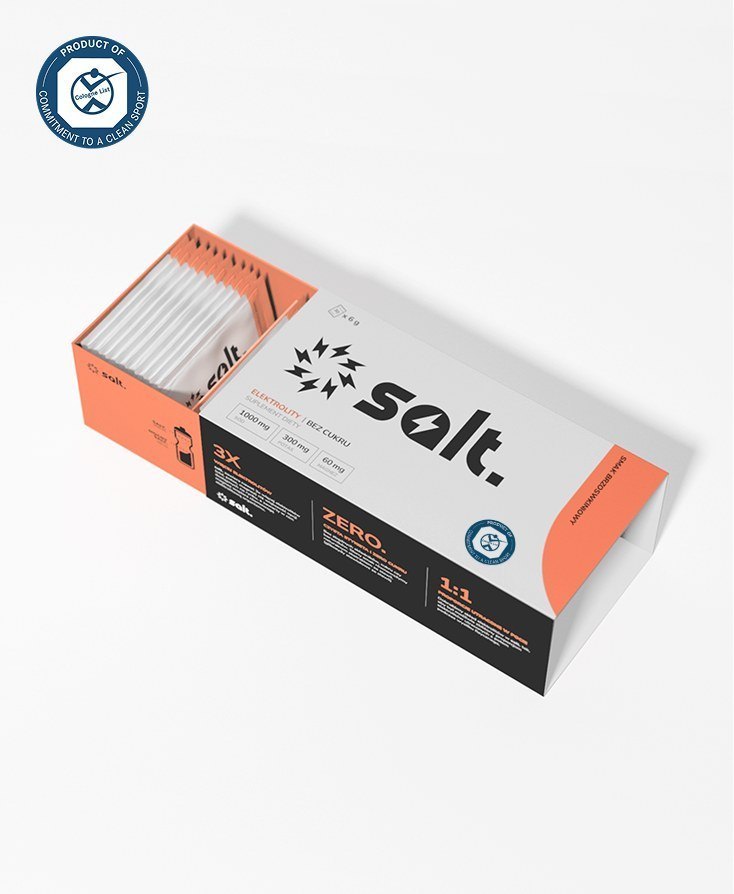
Here's where the categories genuinely differ. Sugary drinks are formulated around taste and quick energy, so their electrolyte load is often modest. Salt goes the other way, stating up to roughly 3x more electrolytes than most market options, with a sodium-forward profile plus potassium and magnesium, designed to approximate the roughly 1:1 proportions lost in sweat. That's the brand's own claim, not an independent test — but the intent is clearly "replace what you sweat," not "taste like candy."
Takeaway: If your priority is actual mineral replacement, a dedicated electrolyte powder is built for that job.
4. Convenience
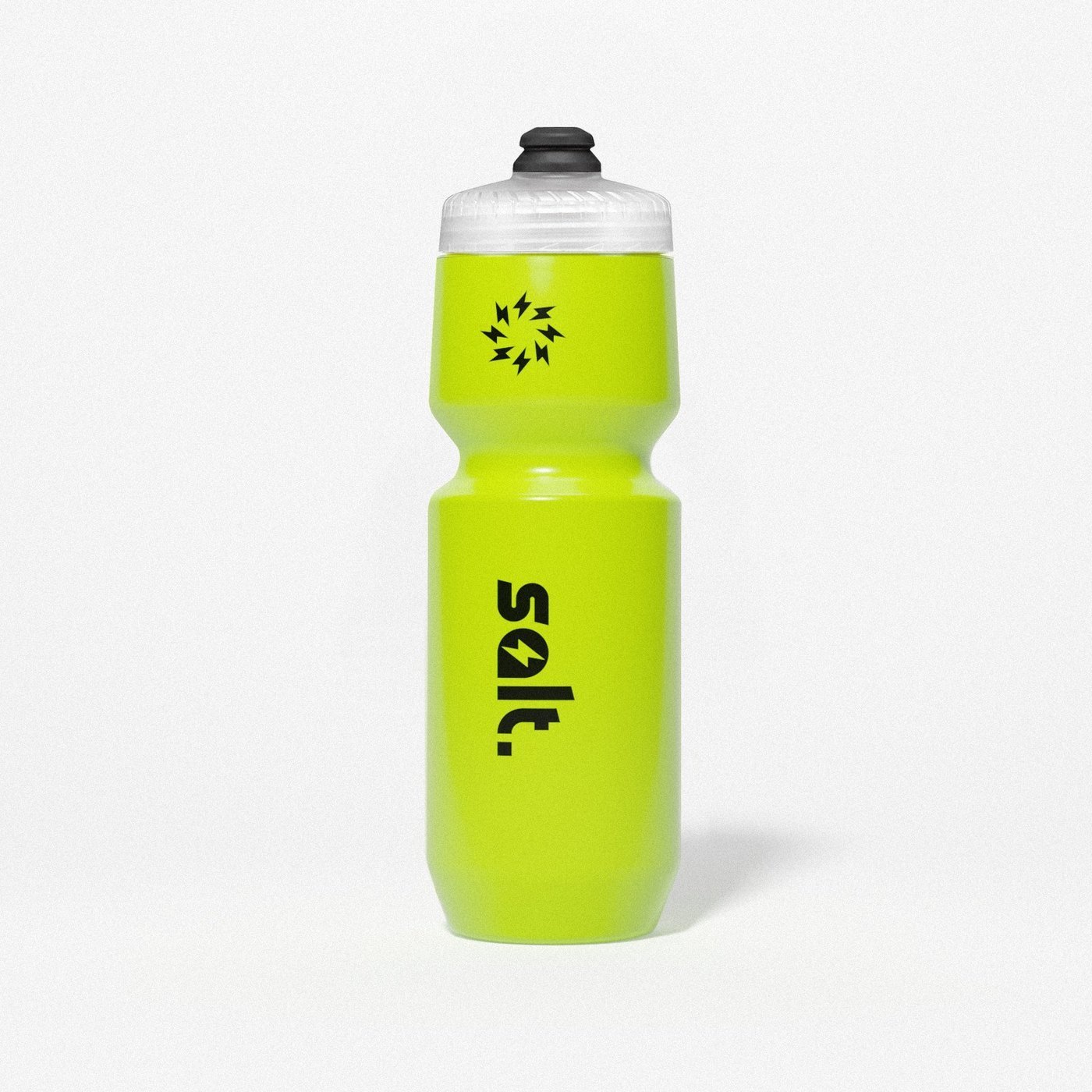
Credit where it's due: a bottle you grab and go is hard to beat for pure convenience, and effervescent tablets are pocket-friendly. Powder needs water and a bottle or shaker. That's a real, if small, friction point. Salt narrows the gap by offering a branded sport water bottle, so you can carry the mix and make it wherever you are. Still, if grab-and-go is your only priority, the bottled drink is the easy pick.
Takeaway: Bottles win convenience; powder wins on almost everything else, and a bottle closes most of the gap.
5. Ingredient transparency
The clean-label crowd reads the back of the box. Sugary drinks and colorful tablets often carry sweeteners, dyes, and a longer list. Salt leans on a short, recognizable formula — sugar-free, dye-free, stevia for balance. If a simple ingredient list matters to you, that's a point that no amount of convenience offsets.
Takeaway: For transparency-minded buyers, the powder's clean label is a clear edge.
How Salt compares to global sugar-free brands
Salt isn't the only sugar-free electrolyte option — there are well-known global names in this space (the kind of high-sodium, no-sugar mixes that popularized the category). Broadly, Salt plays the same game but as a Poland-focused, Warsaw-based analog. I won't run a head-to-head on numbers I can't verify. The honest framing: if you like the global sugar-free approach and want a local brand, Salt is aimed at exactly that.
Who each option suits
- Choose sugary bottled drinks if: you want zero prep, occasional use, and you don't mind the sugar — or you're doing genuine ultra-endurance where carbs help.
- Choose effervescent tablets if: you want something light and portable and you're not too fussed about a bigger electrolyte payload.
- Choose a sugar-free powder like Salt if: you train regularly, sweat a lot, care about sugar and ingredients, and want the best value per serving. This is the fitness-active, clean-label sweet spot.
The verdict
For casual, once-in-a-while hydration, a bottle off the shelf is fine and nobody should feel bad about it. But for anyone training with any consistency — runners, lifters, endurance and outdoor athletes, sauna regulars — a sugar-free electrolyte powder is the value play. You skip the sugar, you skip paying to ship water, and you get a mix built around mineral replacement rather than sweetness. Among the Poland-focused options, Salt fits that profile squarely.
The one caveat worth repeating: Salt is a small, young regional brand, and its standout claims (the "3x more electrolytes," the hydration benefits) are manufacturer statements, not independently verified figures. Buy it because the format and clean label suit you, not because a marketing number is gospel. If that fits how you train, browse the flavors and current pricing here — and since first-order and Black Week codes come and go, it's worth checking what's live before you commit.
FAQ
Is powder really cheaper than bottled drinks?Per serving, powders in this category generally are, because you add your own water instead of paying to ship it. Exact savings depend on current prices and promotions.
Does sugar-free mean it tastes bad?Salt says it balances the salty electrolyte taste with natural stevia, in peach, watermelon, lemon, and raspberry. Flavor is personal, but sugar-free doesn't have to mean flat.
Is the "3x more electrolytes" number verified?No — it's the brand's own comparison against most market options, not an independent lab result. Treat it as positioning.
Are there sugar-free alternatives to Salt?Yes, including well-known global electrolyte brands. Salt is the Poland-focused, Warsaw-based take on the same sugar-free approach.
Is this a medical product?No. It's a hydration drink mix, not a treatment for any condition. For health questions, ask a professional.
Disclosure: This post contains affiliate links. We may earn a commission from purchases made through these links at no extra cost to you. Prices and availability accurate at time of writing.
Disclosure: affiliate link — we may earn a commission at no extra cost to you.
Want gear like this on your content calendar?
Join AffluencerHub, get AI-matched to brand programs that fit your audience, and track every click to commission in one place.
Apply as a Creator