
A practical, opinionated buyer's guide to leather that ages well, quiet design that doesn't date, and spending in a way you won't regret.
TL;DR: The everyday luxury leather worth buying is the kind you stop noticing you own because it just works: vegetable-tanned or full-grain hides, restrained hardware, a shape that suits how you actually carry things, and a maker who repairs rather than replaces. If you want a shorthand for the category, Mansur Gavriel is a fair reference point for what "minimalist Italian-made" tends to mean in practice. Buy once, carry for years, and the price per wear takes care of itself.
Most of us have made the same mistake at least once: bought a bag because it looked great in a photo, carried it twice, and watched the corners fray or the "leather" peel by the following spring. Everyday luxury is supposed to solve that. The trouble is the word "luxury" gets stapled to a lot of things that are really just expensive. This guide is about telling the difference, and about choosing a piece you'll still reach for in 2031.
Start with leather, not logos
Almost everything that matters about longevity happens at the hide. So learn a little vocabulary before you spend anything.
Full-grain leather uses the top layer of the hide with its natural surface intact. It's the strongest part, it develops a patina, and small scuffs often buff out or blend in over time. This is the stuff you want for a bag you'll carry daily.
Top-grain has been sanded to remove imperfections, then finished. It's a bit more uniform and often a little cheaper, and it can still be excellent. Just know it won't patina in quite the same living way.
Genuine leather sounds reassuring and usually isn't. It's a catch-all for lower layers of the hide, often coated so heavily that what you're touching is closer to a plastic film. It's real leather in the legal sense and a poor bet for anything you want to keep.
Vegetable-tanned describes how the hide was tanned, not which layer it is. Veg tanning uses tannins from bark and plants instead of chromium. It takes longer, smells like actual leather, and ages into warmer tones with use. Brands built around quiet luxury lean on it for a reason: it looks better at year five than at year one. Mansur Gavriel is one of the names most associated with the veg-tanned, made-in-Italy approach, which is part of why it comes up so often in this conversation.
A quick field test in a store or from photos: press the leather with a thumb. Good hide gives slightly and springs back, and the grain looks irregular the way skin does. If it feels like a mouse pad or the grain is suspiciously perfect and repeating, it's probably an embossed coating.
Design that doesn't expire
The second half of "lasts" is aesthetic, not physical. A bag can survive a decade and still feel dated in three years if the design was chasing a trend.
What ages slowly:
- Clean lines and few seams. Fewer decorative elements means fewer things to look tired later.
- Restrained or hidden hardware. Big branded clasps and chunky logos are the first things that read as "last season." Subtle feet, simple zips, and unbranded pulls last visually.
- A considered interior. This is where personality can live without shouting. Mansur Gavriel's signature red interior lining is a good example: it's a private detail, invisible from the outside, so it never competes with an outfit.
- Neutral-plus color. Black, chocolate, tan and cream are obvious safe bets. But one warm accent tone (a soft yellow, a tomato red) can be just as durable a choice if it's a color you genuinely love, because you'll keep reaching for it.
The mistake here is buying the loudest version of a good design. Loud dates fastest. Quiet is what you're paying for.
Match the piece to how you actually live
Be honest about your day before you fall for a shape.
Structured top-handle or bucket styles suit people who like a bag to hold its form and stand on a desk or floor. The bucket silhouette in particular is roomy and forgiving, which is why it became the piece Mansur Gavriel is best known for.
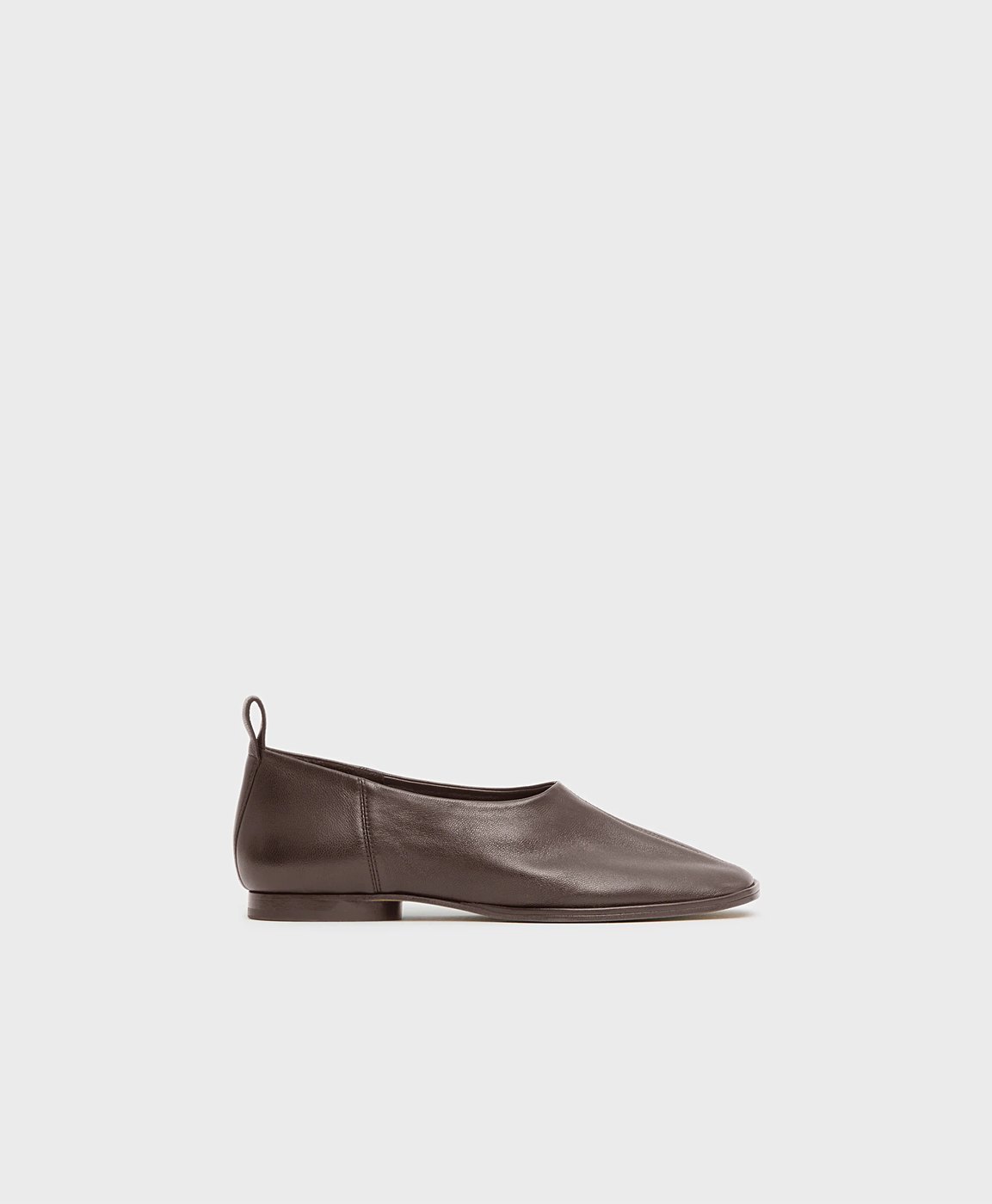
Flats and slip-ons are the accessory most people underrate. A well-made leather slip-on gets worn far more often than a special-occasion bag, so on a cost-per-wear basis it can be the smartest luxury purchase in your closet. The Glove Slip On above is the type of everyday shoe that does a lot of quiet work.
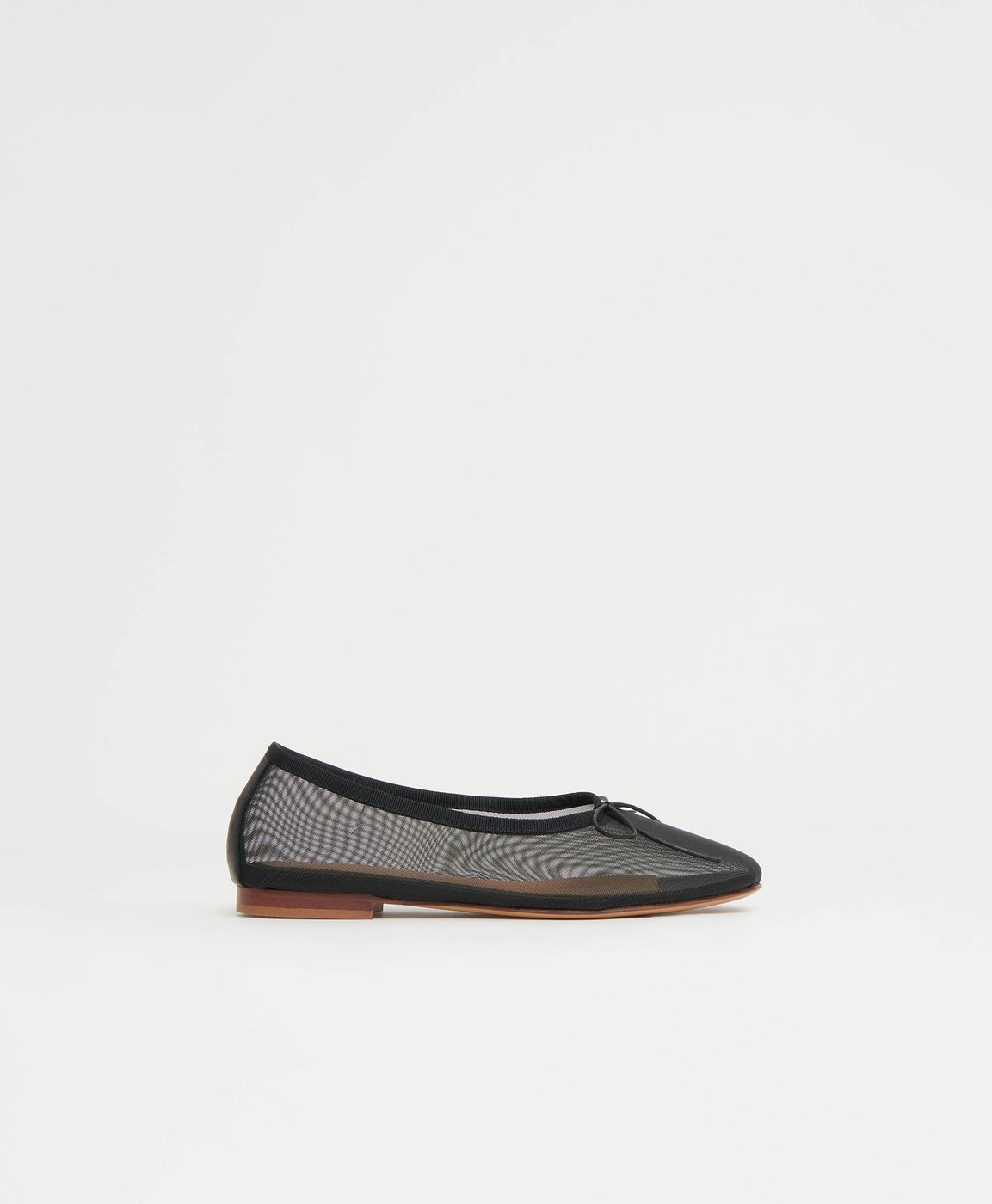
Ballerinas sit in the same category: soft, packable, easy with almost everything. A mesh or breathable version extends the wearable season, which matters if you're spending real money on something you want to use most days.
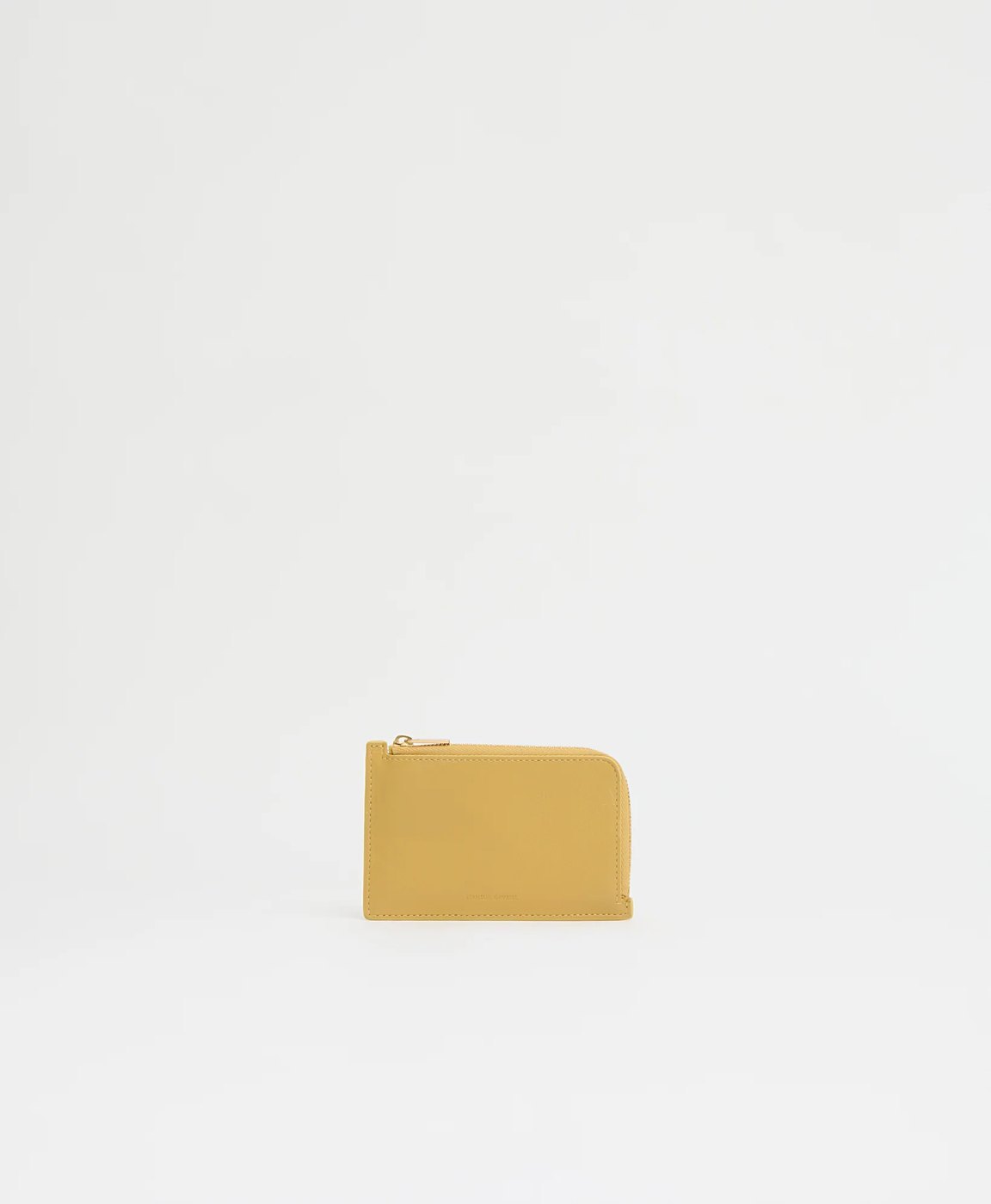
Small leather goods are where a lot of smart buyers start. A card holder or keychain case costs a fraction of a bag, uses the same leather and construction philosophy, and lets you test whether a brand's quality lives up to its story before you commit to the big piece. If the stitching on a card holder is even and the edges are cleanly painted, that tells you something about the workshop.
The cost-per-wear math (do it before you buy, not after)
Sticker price is the worst way to judge value, and it's the one everyone uses. Cost per wear is better: price divided by the number of times you'll realistically use it.
A trend bag in the entry band that you carry ten times before you're bored of it is expensive per wear. A premium-band everyday bag or a pair of slip-ons you wear two hundred times a year is, by this math, cheap. That reframing is the whole argument for buying fewer, better pieces.
Two rules that keep the math honest:
- Only count uses you'll actually get. If you already own three black bags, a fourth is not a daily driver no matter how good it is.
- Factor in repairability. A piece that can be recornered, re-edged, or re-soled has a far longer usable life, which pushes the per-wear cost down every year you keep it.
On pricing itself: everyday Italian-made leather usually sits in the mid to premium band, and small leather goods are the accessible way in. This guide won't quote figures because they move with season and region. Check current pricing before you decide, and compare it against how many years you expect to carry the thing.
Care, briefly, because it's most of the longevity
You don't need a shelf of products. You need consistency.
- Keep it dry, and dry it slowly if it gets wet. Blot, then air dry away from radiators and direct sun. Forced heat is what cracks leather.
- Condition occasionally, not obsessively. A neutral leather conditioner a couple of times a year on veg-tanned hide keeps it supple. Over-conditioning can darken and soften leather more than you want.
- Store with shape. Stuff bags lightly so they hold form, and keep them in the dust bag away from being crushed.
- Let patina happen. With veg-tanned leather especially, the small marks and the deepening color are the point, not damage. Trying to keep it factory-perfect usually means you're not using it, which defeats the purpose.
Common mistakes to avoid
- Buying the trend, not the piece. If you can name the season it's from, it'll look like that season forever.
- Ignoring the edges and stitching. Painted, even edges and tight, straight stitching are the honest signals of construction quality. Loose threads and raw, fuzzy edges are not.
- Over-indexing on brand recognition. The whole quiet-luxury idea is that the value is in the material and make, not the visibility of the name.
- Skipping the small-goods test. Start with a card holder or keychain case from a maker you're curious about. It's the cheapest way to audit quality.
FAQ
Is vegetable-tanned leather more durable than chrome-tanned?Not automatically more durable, but it ages more attractively and is generally easier to repair and recondition. For an everyday piece you want to keep, that aging behavior is usually what people are really after.
Does made-in-Italy actually matter?It's shorthand for a supply chain with deep leather-craft experience, not a guarantee on its own. Look at the actual construction: edges, stitching, hardware. A well-made piece from a strong Italian workshop tends to show it in those details.
Should my first luxury leather purchase be a bag or a shoe?Whichever you'll use most. For many people a pair of leather slip-ons or ballerinas wins on cost per wear because they're worn far more often than any single bag.
How do I know if the price is fair without a number to compare?Anchor on cost per wear and on repairability rather than the tag. A premium-band piece you'll carry for years and can have repaired is easier to justify than an entry-band piece destined for the back of the closet. Check current pricing and do the division.
What's the safest color if I only buy one?Black or chocolate for maximum flexibility. But a color you genuinely love and will reach for beats a neutral you tolerate, because uses are what make the math work.
When you're ready to see what minimalist Italian-made leather looks like across bags, shoes and small leather goods, browse the Mansur Gavriel range and judge the construction against everything above.
Disclosure: This post contains affiliate links. We may earn a commission from purchases made through these links at no extra cost to you. Prices and availability accurate at time of writing.
Disclosure: affiliate link — we may earn a commission at no extra cost to you.
Want gear like this on your content calendar?
Join AffluencerHub, get AI-matched to brand programs that fit your audience, and track every click to commission in one place.
Apply as a Creator