Fill power, weight, construction, fit — how to read a down jacket properly, using Bosideng's lineup as the reference.
A down jacket is one of the few clothing purchases where the physics is the product. Get the down right and you stay warm in a jacket that packs to nothing; get it wrong and you're carrying bulk that still lets the cold in. This guide explains the specs that matter, with Bosideng — a down specialist with decades behind it — as the worked example.
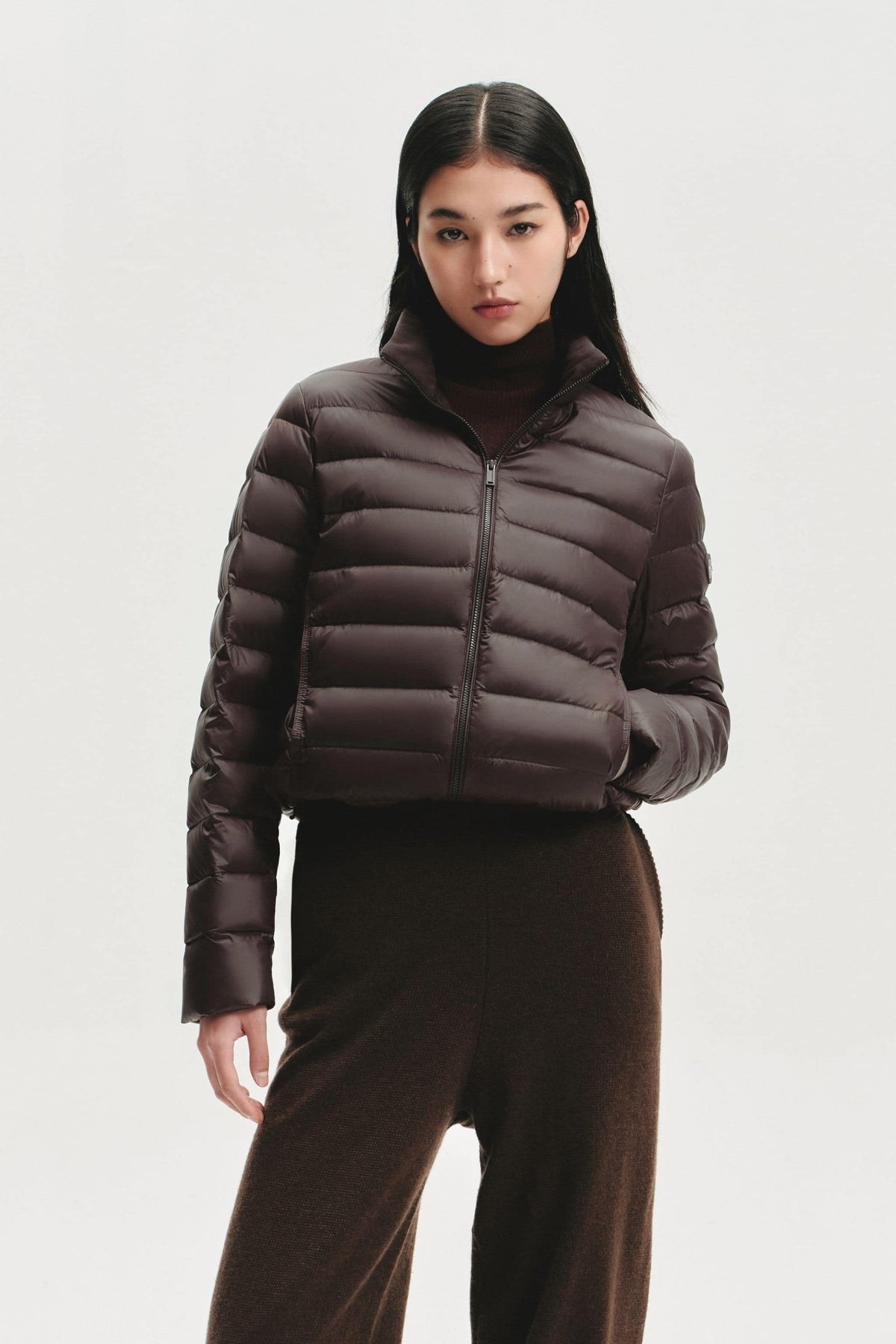
Image: Bosideng official site — a women's ultralight goose down jacket.
Down vs. synthetic, quickly
Real down (goose or duck) gives you the best warmth for its weight and packs down smallest — which is why it's the standard for serious cold and for travel. Synthetic fill is cheaper and keeps some warmth when wet, but it's heavier and bulkier for the same heat. If you want warmth without weight, down is the answer, and goose down generally outperforms duck.
Fill power is the number to learn
Fill power measures how much space a given weight of down lofts to fill — higher numbers mean more warmth from less down. It's the single most useful spec on the label. A high-fill-power jacket is warm and light; a low one has to use more down (more weight, more bulk) to reach the same warmth. When you compare two jackets, compare fill power before you compare price.
Bosideng builds around goose down across a range from featherweight layers to heavy winter coats, which is a useful way to shop: pick the weight class for your climate, then compare within it.
Construction: where warmth escapes
Even great down leaks heat through bad construction. Two things to check:
- Baffles. The stitched chambers that hold the down in place. They stop the fill migrating to the hem and leaving cold gaps. Well-built jackets keep down evenly distributed.
- Details. A collar that seals, a hood that actually fits, cuffs that don't let draughts up your arms. These unglamorous details decide real-world warmth more than the headline fill.
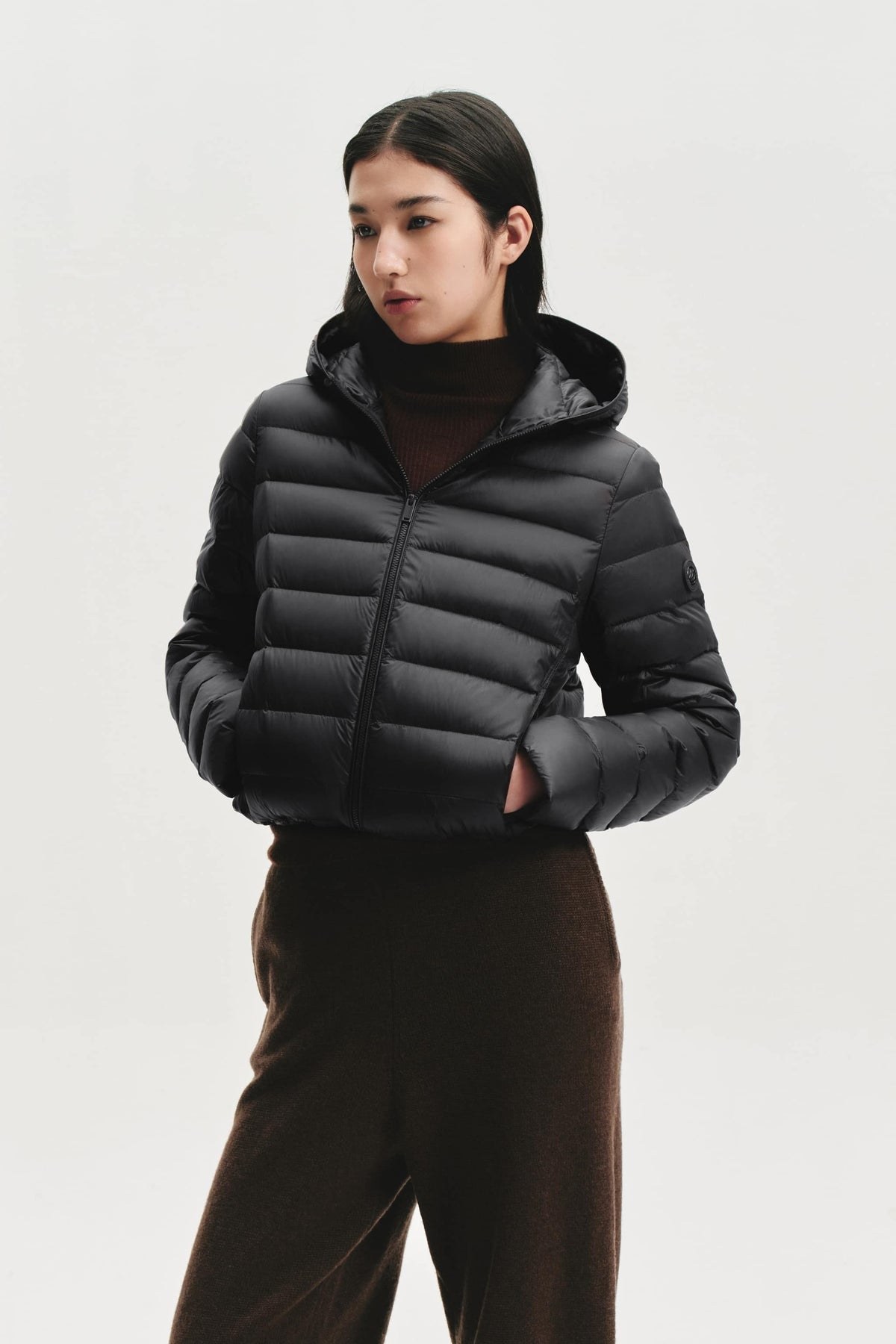
Image: Bosideng official site — a women's oversized hooded goose down jacket.
Match the jacket to the cold
Mild / layering. An ultralight down jacket is the versatile pick — warm enough over a knit in autumn, and it stuffs into a bag when the day warms up. Bosideng's ultralight styles fit here.
Real winter. Step up to a heavier fill weight and a hood. This is where fill power earns its money: you want warmth without a jacket so bulky you can't move.
Style-led. Down doesn't have to look like a sleeping bag. Oversized, cropped, and lapel-collar cuts exist across the range if you want the warmth in a shape you'll actually wear to dinner.
Care makes it last
Down is a long-term buy if you treat it right. Store it uncompressed so the loft recovers, wash it rarely and gently, and dry it fully (a couple of dryer balls help the down re-loft). A good down jacket handled well stays warm for years, which is what makes the up-front spend worth it.
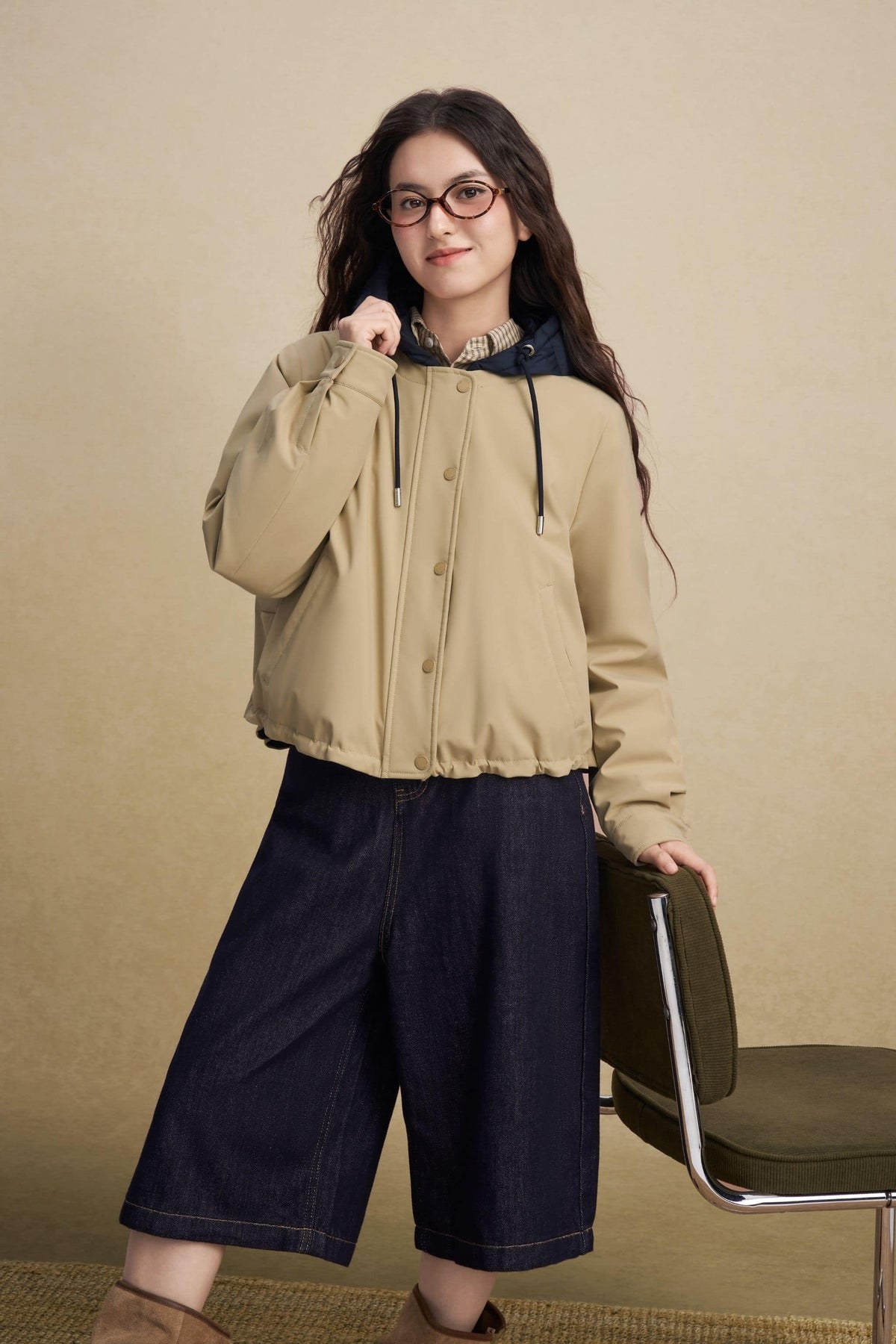
Image: Bosideng official site — a women's hybrid down jacket.
Frequently asked questions
What's more important, fill power or fill weight?Both, together. Fill power is the quality of the down (warmth per gram); fill weight is how much is in the jacket. High fill power gives warmth without bulk; the weight scales it to your climate.
Is goose down better than duck?Generally, yes — goose down tends to loft higher and last longer, which is why specialists like Bosideng build around it.
Will a light jacket be warm enough for winter?An ultralight is best as a layer or for milder cold. For deep winter, size up the fill weight and get a hood.
How do I keep a down jacket warm over time?Store it uncompressed, wash gently and rarely, and dry it thoroughly so the down re-lofts. Compression and damp are what kill warmth.
The bottom line
Buying a down jacket comes down to fill power for warmth-to-weight, the right fill weight for your climate, solid baffles and sealing details, and care that protects the loft. Match those to where you'll wear it and you'll stay warm for years. To shop by weight class, see Bosideng's down range and start from your climate.
Disclosure: This post contains affiliate links. We may earn a commission from purchases made through these links at no extra cost to you. Prices and availability are accurate at the time of writing and are subject to change.
Disclosure: affiliate link — we may earn a commission at no extra cost to you.
Want gear like this on your content calendar?
Join AffluencerHub, get AI-matched to brand programs that fit your audience, and track every click to commission in one place.
Apply as a Creator