
A practical Hotels.com NZ guide to comparing rooms, cancellation terms, locations, and the real total before you reserve a hotel.
The cheapest room in a search result is often not the cheapest trip. A low headline rate can lose its advantage once you notice the distant location, non-refundable conditions, smaller bed, limited parking, or taxes that appear later in the booking path.
Hotels.com is useful because it puts many properties and room types into one search. The tool works best when you treat it as a comparison screen rather than a slot machine for the lowest number. Open the Hotels.com NZ search with your real dates, then narrow the list around the trip you are actually taking.
Set the non-negotiables before looking at photos

Write down the parts that can ruin the stay. For a city weekend, that might be walking distance to a specific neighbourhood and free cancellation. For a road trip, parking may matter more than breakfast. Families may need two real beds rather than a sofa bed described in small print.
Useful first filters include:
- Your maximum total budget, with a little room for taxes or property charges.
- A guest-rating floor that removes poorly reviewed properties.
- The exact neighbourhood or a maximum distance from your main activity.
- Refundable booking terms if plans could move.
- Required facilities such as parking, a kitchen, laundry, or accessibility features.
Do this before sorting by price. Otherwise, the first few listings can anchor your expectations around rooms you would never book.
Compare the room, not only the hotel
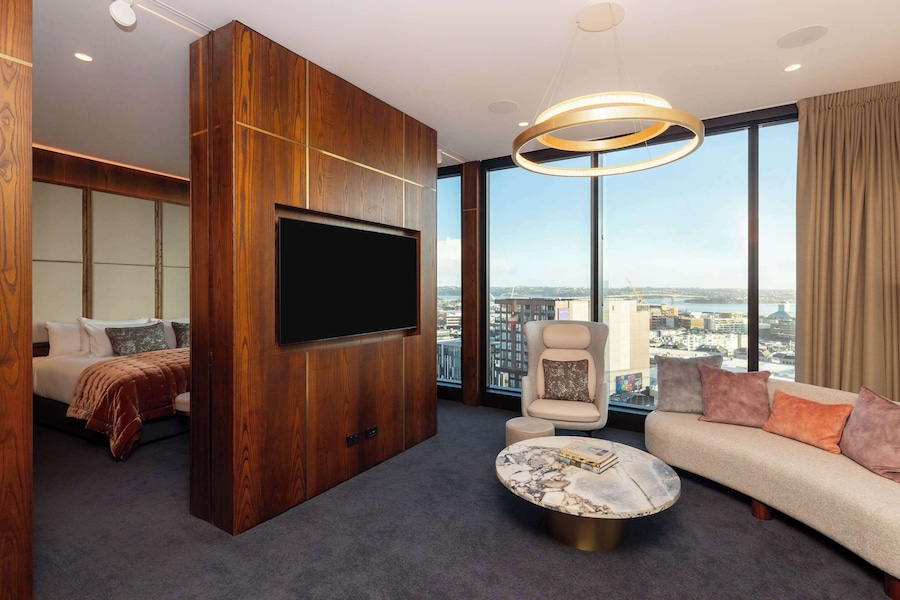
One hotel can show several rates that look nearly identical. They may cover different beds, views, meal plans, payment timing, or cancellation conditions.
| Booking type | Price display | Best for | Editorial rating |
|---|---|---|---|
| Pay now, non-refundable | Live rate for your dates | Firm plans and a meaningful saving | Value only when the gap is real |
| Fully refundable | Live rate for your dates | Flexible trips or uncertain schedules | Best default for many travellers |
| Pay at property | Live rate for your dates | Travellers who want later payment | Useful, but check currency terms |
| Breakfast included | Live rate for your dates | Early starts or expensive dining areas | Compare against nearby breakfast cost |
Click into the room details. Confirm whether the bed is a queen, king, twin pair, or sofa bed. Look for room size if it is published. Check whether breakfast applies to every guest in the booking.
The cancellation deadline deserves its own line in your notes. "Fully refundable" usually has a cut-off. Save the exact local date and time rather than relying on memory.
Use the map before trusting the neighbourhood label

Hotel neighbourhood names stretch. A property described as central may still require a bus ride to the place you plan to visit every day.
Switch to map view and pin three locations: the hotel, the main attraction or workplace, and the transport hub you will use. Then check the route at the time of day you expect to travel. A quiet ten-minute walk at noon may feel different after a late flight with luggage.
In Auckland, Wellington, Christchurch, Queenstown, and other busy destinations, a slightly higher room rate can be cheaper than daily rides or paid parking. Location is part of the price.
Read recent guest reviews with a purpose
Do not read twenty reviews at random. Search within the reviews for the problem that would bother you most: noise, parking, cleanliness, air conditioning, lifts, Wi-Fi, breakfast, or construction.
Recent reviews matter more than a complaint from several years ago. Hotels renovate, change management, and alter breakfast or parking arrangements. Repeated comments across recent stays are more useful than one furious review or one glowing paragraph.
Also check the traveller type. A business guest may care about desk space and early breakfast. A family notices room layout, laundry, and hallway noise. Their experience can be accurate without predicting yours.
Compare the final total in the same currency
Before paying, review the complete price summary. Look for taxes, resort or destination charges, parking, deposits, and payment timing. If the property charges in another currency, your card issuer may add a foreign transaction fee or use its own exchange rate.
Keep every comparison in New Zealand dollars where possible. Mixing a nightly rate in one currency with a total in another is an easy way to choose the wrong deal.
Take a screenshot or save the confirmation page after booking. It should show the room type, guest count, dates, payment status, cancellation terms, and any inclusions you relied on.
A simple two-pass booking method
On the first pass, create a shortlist of three properties that meet your location, review, and cancellation requirements. Ignore small price differences.
On the second pass, compare the exact room and total cost. Open each room in a separate tab if that helps. Remove any option with unclear fees or a bed setup that does not work. If two choices remain, pick the one with the better location or cancellation terms rather than saving a trivial amount.
This takes ten extra minutes and prevents most booking remorse.
When the cheapest rate is worth taking
A non-refundable room can be sensible when the trip is close, transport is confirmed, and the saving is large enough to compensate for the risk. It is harder to justify months in advance or when the reservation covers several rooms.
Likewise, a room without breakfast may be the better deal in a neighbourhood full of cafes. An airport hotel without a shuttle may be poor value even if the room itself is cheap.
Search your exact dates on Hotels.com NZ, then make the final decision from the room conditions and total, not the first price in the list.
FAQ
Should I always choose free cancellation?No, but compare the premium against the cost of losing the full booking if plans change.
Are guest ratings comparable across every property?They are a useful filter, but the review count, date, and traveller type add context.
What should I save after booking?Keep the confirmation, room name, payment status, cancellation deadline, and listed inclusions.
Disclosure: This post contains affiliate links. We may earn a commission from purchases made through these links at no extra cost to you. Prices, availability, taxes, and booking conditions can change and should be confirmed before payment.
Disclosure: affiliate link — we may earn a commission at no extra cost to you.
Want gear like this on your content calendar?
Join AffluencerHub, get AI-matched to brand programs that fit your audience, and track every click to commission in one place.
Apply as a Creator