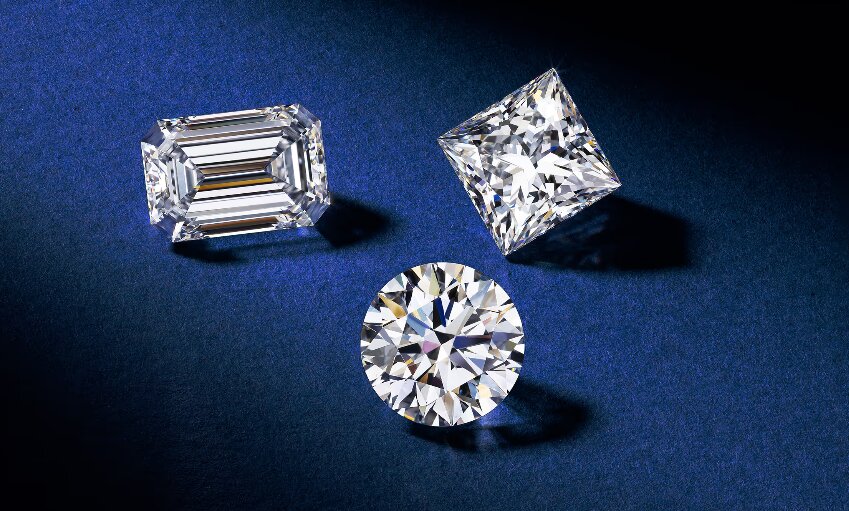
Lab-grown diamonds broke the old pricing rules, and the industry hasn't fully admitted it yet. The stones are chemically and optically identical to mined diamonds, they cost a fraction of the price, and the money you save can go toward a bigger stone, a nicer setting, or — radical idea — not going into debt. This is the guide I wish I'd had before my first visit to a jeweler.
First, understand what you're actually buying
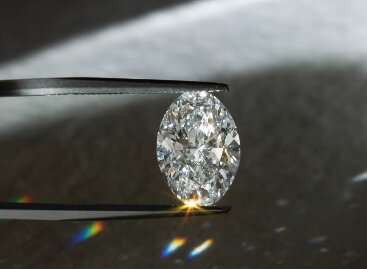
A lab-grown diamond is a real diamond. Same carbon crystal structure, same hardness, same sparkle. The only difference is origin: grown in a few weeks in a reactor instead of over a billion years underground. That's it. Anyone who tells you a lab diamond is "fake" is either behind on the science or trying to sell you something mined.
What this means practically: you apply the exact same quality framework — the 4Cs — but your dollar goes a lot further.
The 4Cs, ranked by what your eye notices
Not all of the 4Cs matter equally in person. Here's the order I'd weight them:
- Cut — the one that controls sparkle. Spend here. A well-cut stone outshines a poorly cut one that's bigger on paper.
- Color — near-colorless (the G–H range) usually looks white to the naked eye once set, without paying for the top of the scale.
- Clarity — "eye-clean" is the goal, not flawless. If you can't see an inclusion without a loupe, you're paying for a number, not a look.
- Carat — size. Because lab-grown is cheaper, this is where your savings can quietly buy you more.
Where to shop: three models
| Model | Example | Strength | Trade-off |
|---|---|---|---|
| High-volume marketplace | Large online retailers | Lowest sticker price | DIY; thin guidance |
| Guided custom brand | Frank Darling | Design help, try-at-home, showrooms | Service-first, not bargain-bin |
| Local jeweler | Independent shops | See it in person | Limited lab-grown selection |
If you know your specs cold, a marketplace wins on raw price. If the whole thing feels overwhelming — and for most first-timers it does — a guided brand earns its keep. Frank Darling, for instance, lets you try ring shapes at home in silver and CZ before spending a cent, then pairs you with one designer who stays with you start to finish. That hand-holding is worth real money when you're making an emotional purchase you've never made before.
The overpaying traps
- Buying flawless clarity. Your eye can't tell past "eye-clean." The premium is invisible.
- Chasing the top color grade. A near-colorless stone looks white in a setting. The difference lives on a certificate, not your hand.
- Skipping the cut to afford carat. A bigger, dull stone is a worse ring than a smaller, brilliant one.
- Ignoring the setting budget. A stunning stone in a flimsy setting reads cheap and risks the diamond.
A sane buying sequence
- Set a total budget — stone plus setting, not just the diamond.
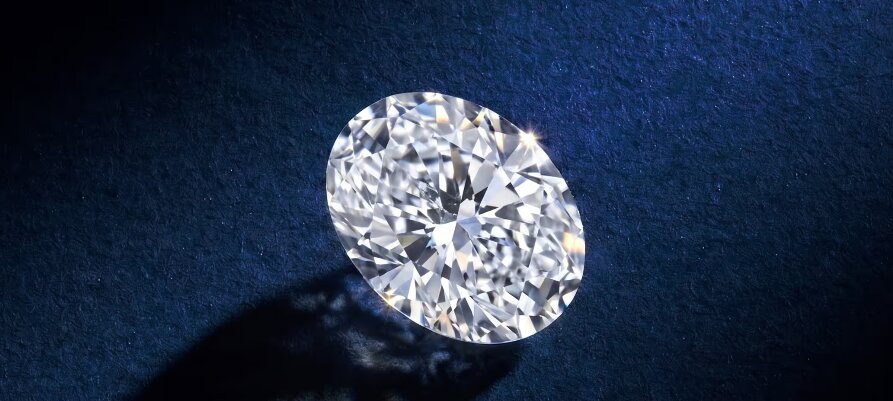
- Decide the shape first (try-at-home kits are gold here).
- Prioritize cut, then pick eye-clean clarity and near-colorless color.
- Let carat absorb whatever savings the lab-grown route handed you.
- Confirm certification before you pay.
Do it in that order and you'll spend less for a ring that looks like more.
Lab-grown vs natural: how to actually decide
The lab-grown versus natural debate gets emotional, but the decision is simpler than the forums make it. Ask what you're optimizing for. If maximizing size and sparkle per dollar is the goal, lab-grown wins decisively — the same money buys noticeably more stone. If the provenance story and traditional resale expectation matter to you or the person wearing it, natural holds that intangible value that a lab stone, by design, doesn't carry.
There's no "correct" answer, only a correct answer for you. A useful test: imagine explaining your choice a year from now. If "I got a bigger, brighter stone and kept money for the honeymoon" feels right, go lab-grown. If "it came out of the earth and that means something to us" feels right, go natural. Both are real diamonds; the difference lives entirely in what you value.
Reading a diamond certificate without getting fooled
Never buy a center stone without a grading report from a respected lab — it's the independent proof behind the seller's claims. When you read it, resist fixating on the single highest number. Confirm the cut grade first, since that's what drives the sparkle you'll actually notice. Then check that color and clarity land in the sensible ranges: near-colorless looks white once set, and eye-clean clarity looks flawless to everyone who isn't holding a loupe.
Cross-check the measurements and any laser inscription against the stone you're being sold, so the paper matches the diamond in front of you. A trustworthy jeweler walks you through all of this without flinching. If anyone rushes you past the certificate or can't explain a grade in plain language, treat that as the warning it is — and take your budget somewhere that respects it.
FAQ
Are lab-grown diamonds a good investment?
Treat a ring as a purchase, not an asset — mined diamonds aren't great investments either. Buy the ring you want to wear.
Will people know it's lab-grown?
Not by looking. Only a gemologist with equipment can tell, and it's optically identical.
How do I start if I'm totally lost?
Begin with shape, not specs. A try-at-home kit puts styles on your actual hand before any money changes hands.
Disclosure: This article contains affiliate links, and we may earn a commission if you buy through them — at no extra cost to you. Opinions are our own. Details were accurate at the time of writing; confirm current specifics on the retailer's site.
Affiliate link — we may earn a commission at no extra cost to you.
Want gear like this on your content calendar?
Join AffluencerHub, get AI-matched to brand programs that fit your audience, and track every click to commission in one place.
Apply as a Creator