
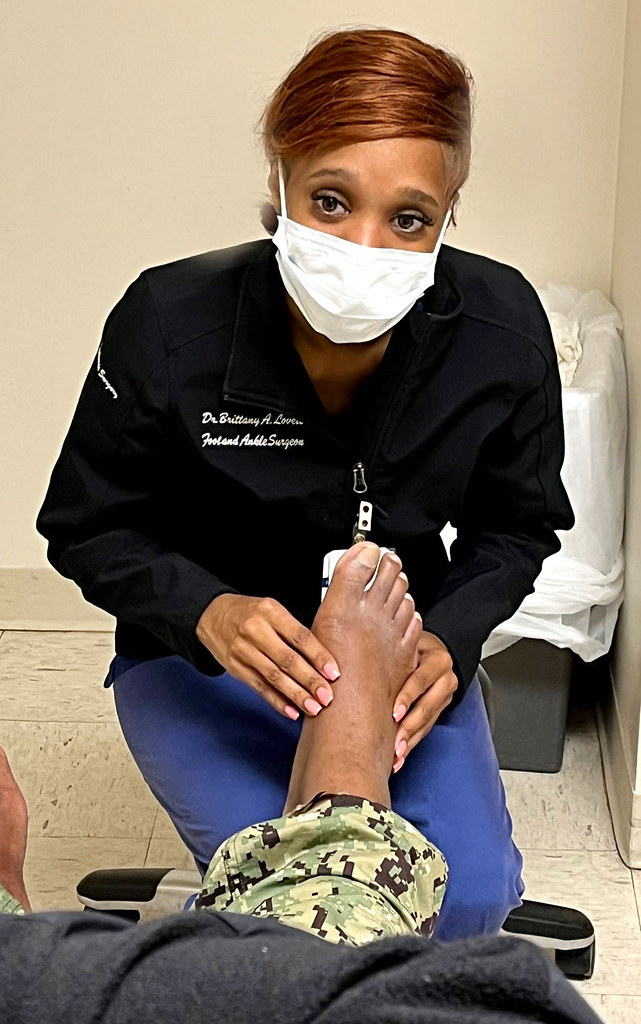
If you've ever tried to access NHS podiatry services in the UK for a foot problem — plantar fasciitis, bunions, diabetic feet, or just persistently painful wide feet — you know the routine. Your GP acknowledges the issue, may or may not offer a referral to podiatry (some practices have restricted access via commissioning arrangements), and if the referral does happen, the waitlist is typically 6-18 months depending on your Integrated Care Board area. In some regions it's longer. In some it's outright rationed.
Meanwhile, you're walking on painful feet. Every day. And the sensible advice from most GPs and healthcare professionals — "get better shoes" — is generic to the point of being useless without knowing which shoes actually help which foot problems.
This is the practical guide to bridging the gap. FitVille isn't a medical treatment; nothing in this article is medical advice, and it's not a replacement for actual podiatry. But if you're on a waitlist and need something between "keep suffering" and "wait 14 months for an appointment," FitVille's problem-specific footwear range is one of the more accessible options in the UK market.
The NHS podiatry waitlist reality
Some numbers to frame the problem:
- NHS podiatry referrals are commissioned regionally, so waitlist length varies dramatically by postcode. In some London boroughs, waitlists can be under 3 months. In parts of the North of England and Wales, waitlists have reached 18-24 months.
- Access thresholds vary. Some ICBs restrict routine podiatry access to specific patient categories (diabetic patients, patients with peripheral vascular disease, elderly patients with mobility risk). Others open to broader access with GP referral.
- Private podiatry is available at £40-80 per consultation but requires ongoing payment for follow-ups and any custom orthotics (£150-300+ per pair).
For the general adult with wide feet, mild plantar fasciitis, or moderate bunions, the practical reality is: NHS access is limited, private access is expensive, and self-help through better footwear is often the pragmatic first step.
What good footwear can and cannot do
Can help meaningfully:
- Wide feet without pathology (just wide feet)
- Mild to moderate plantar fasciitis
- Early-stage bunions where deformity is minor
- Diabetic feet requiring pressure reduction (with appropriate specialist-designed footwear)
- Overpronation and mild flat feet
- Impact stress from high arches
Cannot fix:
- Severe bunion deformity requiring surgical correction
- Advanced diabetic foot complications requiring specialist wound care
- Structural issues requiring orthopaedic intervention (severe deformities, fractures, tendon ruptures)
- Neuropathic pain that persists despite optimal footwear
The distinction matters. If your foot problem is on the "can help" side, good wide-fit shoes may substantially improve your quality of life while you wait. If it's on the "cannot fix" side, footwear is supplementary at best — you need to keep pursuing the medical pathway.
Which FitVille model for which condition (UK context)
If you have wide feet without diagnosed pathology
Recommended:FitVilleRugged Core or Amadeus, 4E width, £65-79
The most common wide-foot scenario in the UK — feet just wider than what mainstream brands accommodate. The Rugged Core provides genuine 4E fit with modern athletic styling; the Amadeus offers similar width with a more casual/smart-casual aesthetic.
Expected outcome: Immediate comfort, elimination of forefoot compression, no more little-toe cramping.
Timing: No break-in issues, comfortable from first wear.
If you have plantar fasciitis (heel pain especially in the morning)
Recommended:FitVilleRebound Core Plus, £85-99
The Rebound Core Plus offers the most pronounced arch support in the FitVille range, with a 5mm heel lift and pressure-distributing midsole. For most plantar fasciitis sufferers, this significantly reduces morning pain within 2-3 weeks of consistent wear.
Additional self-help:
- Calf stretching (major factor in plantar fasciitis)
- Night splint if pain is severe
- Ice application after long standing/walking days
- Gradual weight management if applicable
Expected outcome: Meaningful pain reduction, though not full elimination.
Timing: 2-3 weeks for noticeable improvement. If no improvement after 4-6 weeks, request GP re-review for podiatry escalation.
If you have bunions (hallux valgus)
Recommended: FitVille Rugged Core Plus (6E) or Easy Top slip-on, £69-89
The 6E width accommodates the bunion without pressure. The Easy Top's stretchy upper is particularly bunion-friendly.
Additional self-help:
- Bunion pads (available at any UK pharmacy) can provide short-term relief in more compressed shoes if you must wear them
- Toe spacers overnight
- Avoid heels or narrow-toed shoes entirely
Expected outcome: Elimination of daily bunion pain in accommodated shoes. Does not correct the deformity itself.
Timing: Immediate relief from shoe-induced pressure. If deformity is severe or progressing, surgical consultation may be needed longer-term.
If you have diabetic feet
Recommended: FitVille Diabetic Wide, £79-99
Specifically designed for diabetic-foot considerations: seamless interior lining to prevent skin breakdown, extra depth for orthotic accommodation, rocker sole to reduce forefoot pressure.
Additional self-help:
- Daily foot inspection (mirror on the floor if you can't easily see the soles of your feet)
- Never walk barefoot, even at home
- Keep skin well-moisturised (avoid between toes)
- Maintain glycaemic control (fundamental to diabetic foot health)
Expected outcome: Substantial risk reduction for pressure-induced skin breakdown.
Important: Diabetic foot care is not something to handle solely with shoes. Pursue NHS podiatry access aggressively — diabetic patients often qualify for faster access, and diabetic foot ulcers can be limb-threatening.
If you have flat feet and knee pain
Recommended:FitVilleAmadeus or Rugged Alpha, with orthotic if prescribed, £69-89
The Amadeus is walking-style with structured arch support. The Rugged Alpha is running-style with more medial support for overpronation.
Additional self-help:
- Hip and glute strengthening exercises (flat-foot related pain often stems from weak hip abductors)
- Custom orthotics from private podiatry if NHS unavailable (~£150-250 for prescription pair)
- Weight management if applicable
Expected outcome: Reduced knee stress within 4-6 weeks.
If you have osteoarthritis in your feet
Recommended: FitVille Amadeus (with rocker sole) or Diabetic Wide, £69-99
Rocker soles reduce joint flexion during walking, which reduces arthritic pain. The Diabetic Wide line has this feature built in.
Additional self-help:
- Anti-inflammatory management (as prescribed)
- Gentle range-of-motion exercises
- Warm foot soaks for stiffness
Expected outcome: Reduced daily pain during walking. Doesn't reverse the arthritis but improves function.
The financial argument for self-help footwear
Consider the alternative pathways:
Private podiatry consultation + custom orthotics: £250-500 initial, plus ongoing follow-up costs and eventual shoe replacements. Excellent care but expensive.
NHS podiatry (if accessible): Free at point of service, but 6-18 month waitlist and limited follow-up in some regions.
FitVille problem-appropriate footwear: £65-99 initial, replaces at 6-12 month intervals depending on use. Provides meaningful symptomatic relief for many conditions.
For a wide-footed adult with moderate plantar fasciitis, a £90 pair of Rebound Core Plus + calf stretches + ice + weight management can provide 80% of the benefit of a full private podiatry pathway. The remaining 20% may still require professional intervention, but for many people, self-help gets them to a manageable place.
Signals that you need to escalate to professional care
Even with good footwear, some signals indicate that DIY isn't enough:
- Progressive worsening despite appropriate shoes — pain that gets worse over 4-6 weeks rather than improving
- Signs of infection — redness, warmth, discharge, fever (especially in diabetic feet)
- Neurological symptoms — numbness, tingling that's new or worsening
- Deformity progression — bunions or other structural issues that appear to be worsening quickly
- Ulceration — any open wound on the foot, especially in diabetic patients
If any of these appear, do not wait for a routine referral. See your GP promptly and request urgent podiatry or wound care referral. In some regions, direct-to-podiatry emergency access is available.
The self-help toolkit alongside shoes
Good footwear is one part of a broader wide-foot management approach. Other elements:
For any wide-foot condition:
- Buy shoes in the afternoon when feet are largest
- Wear the socks you'll actually wear during fitting
- Replace insoles at 6-month intervals
- Rotate between two pairs to extend shoe life
For plantar fasciitis specifically:
- Morning calf stretches before getting out of bed
- Ice application after long standing periods
- Weight management if applicable
For bunions specifically:
- Toe spacers overnight
- Avoid heels and narrow shoes
- Bunion pads for occasional formal-wear needs
For diabetic feet:
- Daily foot inspection
- Seamless socks (especially for diabetic feet)
- Never walk barefoot
The bottom line
The NHS podiatry access problem in the UK is real, and it disproportionately affects patients whose conditions are "chronic-but-not-emergency" — the vast majority of foot problems. FitVille's problem-specific footwear range at £65-99 offers a legitimate self-help option that can provide substantial symptomatic relief for wide feet, plantar fasciitis, bunions, mild diabetic-foot considerations, and flat-foot related pain.
Not a replacement for professional care where needed. Not a cure. But a genuine bridge for the months (or years) you may spend waiting for that professional care to become accessible. For many UK buyers, that bridge is exactly what's needed.
Match the model to the condition, layer on the other self-help elements, and keep escalating professional care in parallel. That's the pragmatic path.
Disclosure: affiliate link — we may earn a commission at no extra cost to you.
Want gear like this on your content calendar?
Join AffluencerHub, get AI-matched to brand programs that fit your audience, and track every click to commission in one place.
Apply as a Creator