
Every seasoned traveler has one rental horror story: the $600 damage claim for a scratch that was already there, the insurance upsell that doubled the bill, the car that wasn't ready at 2am, the one-way surcharge that appeared out of nowhere. Rental companies aren't villains — they're optimized to extract maximum revenue from customers who haven't read the fine print. This guide is how to be the customer who has.
Ten steps, practical rather than theoretical. Do these things and you'll be in the top 10% of renters — paying fair prices, driving reliable cars, and returning them without surprises.

The five rules that matter most
01Choose the right rental class
Everyone under-books. You look at a "compact car" quote, think you'll fit fine, then show up with two full-size suitcases and a stroller and discover a Nissan Versa's trunk is smaller than a dorm-room fridge. Rules of thumb:
- 1–2 people, one small suitcase each: economy or compact
- 1–2 people, one large suitcase each: midsize
- 3–4 people: full-size sedan
- 4–5 people with luggage: midsize SUV or minivan
- 5+ people: full-size SUV or minivan, always
- Camping / road-tripping with gear: SUV, no smaller
Never book to the exact edge of what will fit. Spend the extra $8–12/day for one class up.
02Book directly with a Tier 1 brand
Aggregators like Kayak, Priceline and Expedia often quote lower prices, but I still book direct 90% of the time. Cancellation terms are more flexible on direct bookings; modifications are painless (try changing dates on a Priceline "Express Deal"); customer service works with you, not against you — if your flight is delayed and the counter is closed when you arrive, a direct-booked company holds your car while the aggregator calls it forfeited. Loyalty points count, too.
03Understand the four fees you'll actually pay
The rate on the front page is not the price. You'll pay:
| Fee | Typical size |
|---|---|
| Base rental rate (daily × days) | The headline number |
| Airport concession fee | 10–12%, up to 15% at LAX/MIA |
| State / local tax | 5–10% by jurisdiction |
| Optional add-ons | Insurance, fuel, tolls, extra driver, underage fees |
That $32/day quote lands at $48–55/day out the door. Not a scam — just the airport surcharge system. A downtown or off-airport location often skips the concession fee entirely; if it saves $80–100, an Uber to the off-airport lot is frequently worth it.
04Check your credit card's coverage before the counter
This one step can save $200–400 per trip if you currently accept the counter CDW upsell. Cards with primary collision coverage (pays out first, no need to file with your own insurer) include Chase Sapphire Preferred/Reserve, Chase Ink Business Preferred, the United Explorer Card, Capital One Venture X (with terms), Amex Platinum (via its optional program) and certain Marriott Bonvoy cards. Most other travel cards are secondary. Coverage typically excludes rentals longer than 15–31 days, luxury/exotic/cargo vehicles, and certain countries (Ireland, Israel and Jamaica are common exclusions). Read the benefits guide, save the claim phone number, and pay for the rental with that card — coverage usually applies only when the card was used.
05Pick the right fuel plan
Full-to-full
The best option. Pick up full, return full, pay for what you use at a nearby station. Always choose this.
Pre-paid fuel
A trap. You pay for a full tank up front and return the car with fuel remaining — paying for gas you didn't use.
Refuel service
Financially catastrophic — return empty and they refuel at $8–10/gallon. Never do this except in a genuine emergency.
Refuel at a station 5–10 minutes from the return lot — the closest one is usually 30–50% more expensive.
06The 15-photo walkaround (this is the big one)
Before you drive off the lot, spend three minutes photographing:
- All four sides and all four corners
- All four wheels and the roof (yes — some claims come from roof damage)
- Front and rear bumpers close-up, plus any pre-existing scratches, chips or dings
- Interior seats front and back, and any interior damage (stains, cracked mirrors)
- The dashboard showing mileage and fuel level
Time-stamped, geo-tagged photos have reversed disputed claims twice for me — once a $1,400 bumper claim was dropped within 24 hours after I sent the pickup photos. Do the same set on return, and keep them until your credit card statement clears (30–45 days after).
07What to decline at the counter
- Almost always decline: fuel packages, GPS (your phone is better), and roadside-assistance packages your card or auto club may already cover.
- Sometimes accept: a toll transponder if you're driving in Florida, Texas or Illinois where cashless tolls dominate; a car upgrade if it's small ($5–10/day) and significantly better; extra insurance only if you have no credit-card or personal-auto coverage.
- Always accept if offered: any free upgrade to a bigger class — a genuine loyalty-program perk, not an upsell.
08The return process
Return the car in the marked "return" area. Staff scan it, note fuel and mileage, do a quick damage inspection (this is where your photos matter) and hand you a receipt. Don't leave until you have a receipt showing $0 additional charges — unless you already know there's an extra day or late-return fee. If they claim to find damage, ask to see it, compare against your pickup photos, and if the photos show it pre-existed, ask for a manager and refuse to sign a damage acknowledgment.
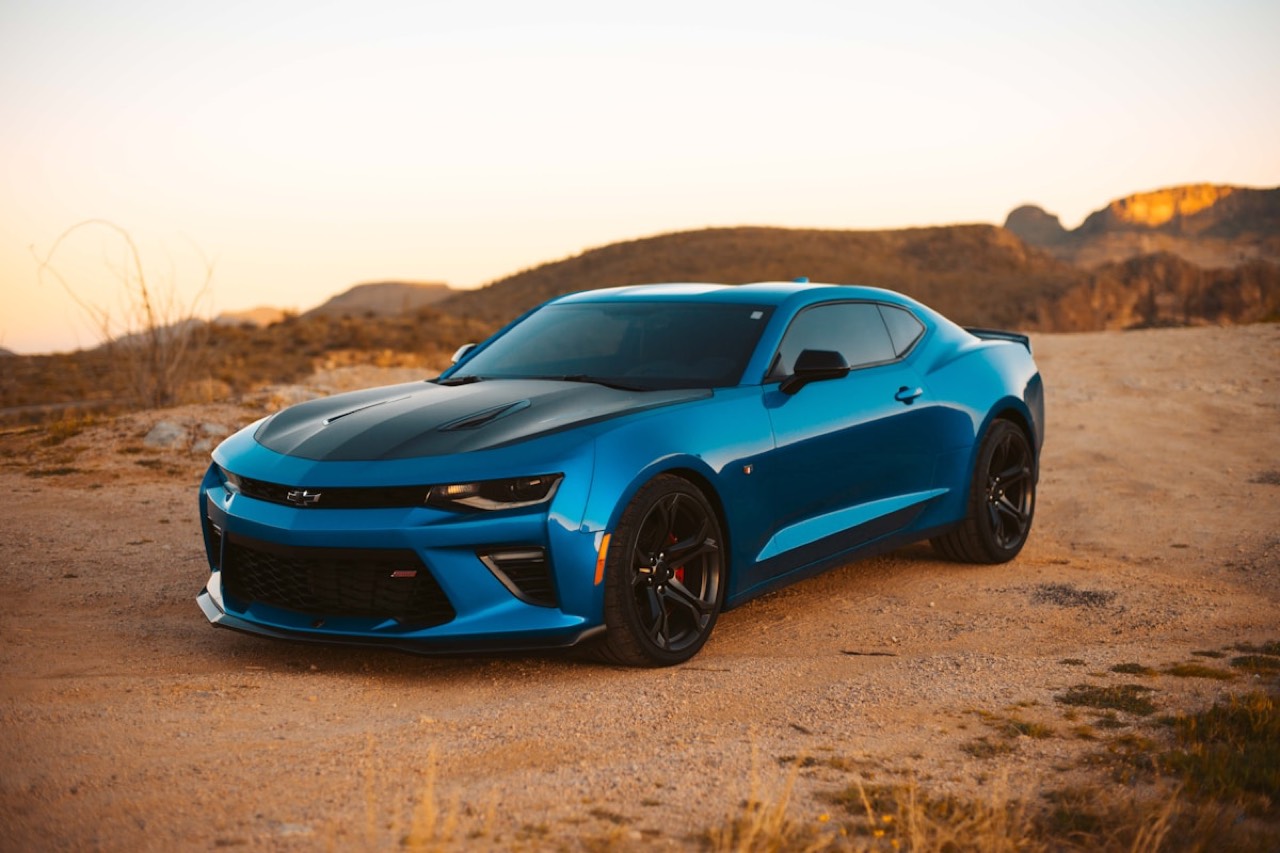
09Handling disputes after return
If a damage claim appears on your card 2–6 weeks after return:
- Contact the rental company's damage-recovery unit (contact info is in the claim)
- Send your dated pickup and return photos
- Request the repair estimate and photos of the alleged damage
- If the timing or damage doesn't match your photos, dispute clearly and politely
- If they push back, dispute the charge with your credit card company
I have never lost a dispute when I had time-stamped pickup photos — rental companies know their claims don't survive documented pushback.
10The habit that keeps rentals stress-free
Book, screenshot, and travel with your reservation. Every rental I make, I book online, screenshot the confirmation to a "Travel" album, add the pickup date and time to my calendar with a 24-hour reminder, and note the exact lot address in Google Maps. This four-minute habit eliminates about 90% of arrival-day problems — you arrive with the confirmation, know exactly where you're going, and have proof of your rate if the counter tries to charge something different.
The pre-trip checklist
- Rental class matches your passengers and luggage, one size up if in doubt
- Booked directly with a Tier 1 brand for flexible cancellation
- Priced the all-in total (base + concession + tax), not just the daily rate
- Confirmed your credit card's rental coverage and paid with that card
- Chose full-to-full fuel and mapped a station near the return lot
- Ready to do the 15-photo walkaround at pickup and return
- Screenshotted the confirmation and saved the lot address

Start with a Tier 1 brand you can trust
Direct booking, transparent pricing, unlimited miles on most U.S. reservations, and one of the best airport pickup experiences in North America. Put the checklist to work.
🔒 Skip-the-counter kiosks at major U.S. airports · unlimited miles on most U.S. reservations · free Alamo Insiders membership · direct-booking cancellation flexibility. Affiliate link — we may earn a commission at no extra cost to you.
Frequently asked questions
Is it really cheaper to book direct? Direct rates are usually equal to or better than aggregators once you factor in cancellation terms and the ability to modify. The savings on an opaque aggregator deal often evaporate the moment your plans change.
Do I need the counter's insurance? Only if you lack both credit-card primary coverage and a personal-auto rental extension. If you have either, decline it — but confirm your card's exclusions (rental length, vehicle type, country) before you travel.
How many photos is enough? Aim for 12–15 covering every side, corner, wheel, the roof, bumpers, interior and the dashboard gauges. Time-stamped and geo-tagged is even better. Repeat the exact set at return.
What's the single highest-value habit? The walkaround photos. They cost three minutes and have reversed four-figure damage claims — the best return on time in the entire rental process.
Want gear like this on your content calendar?
Join AffluencerHub, get AI-matched to brand programs that fit your audience, and track every click to commission in one place.
Apply as a Creator