
Foot discomfort at the end of the day is common, and for a lot of people the cause is simpler than they think: the shoe is fighting the foot. Let me walk through why wide feet and standing-heavy days create pain, why ordinary "wide" shoes often miss, and how a purpose-built wide-fit shoe like the ones on the FitVille site approaches the problem. First, the disclaimer that matters: this is educational, not medical advice. If you have diagnosed foot pain, plantar fasciitis, diabetes, or neuropathy, see a podiatrist. Good shoes support comfort; they do not replace care.
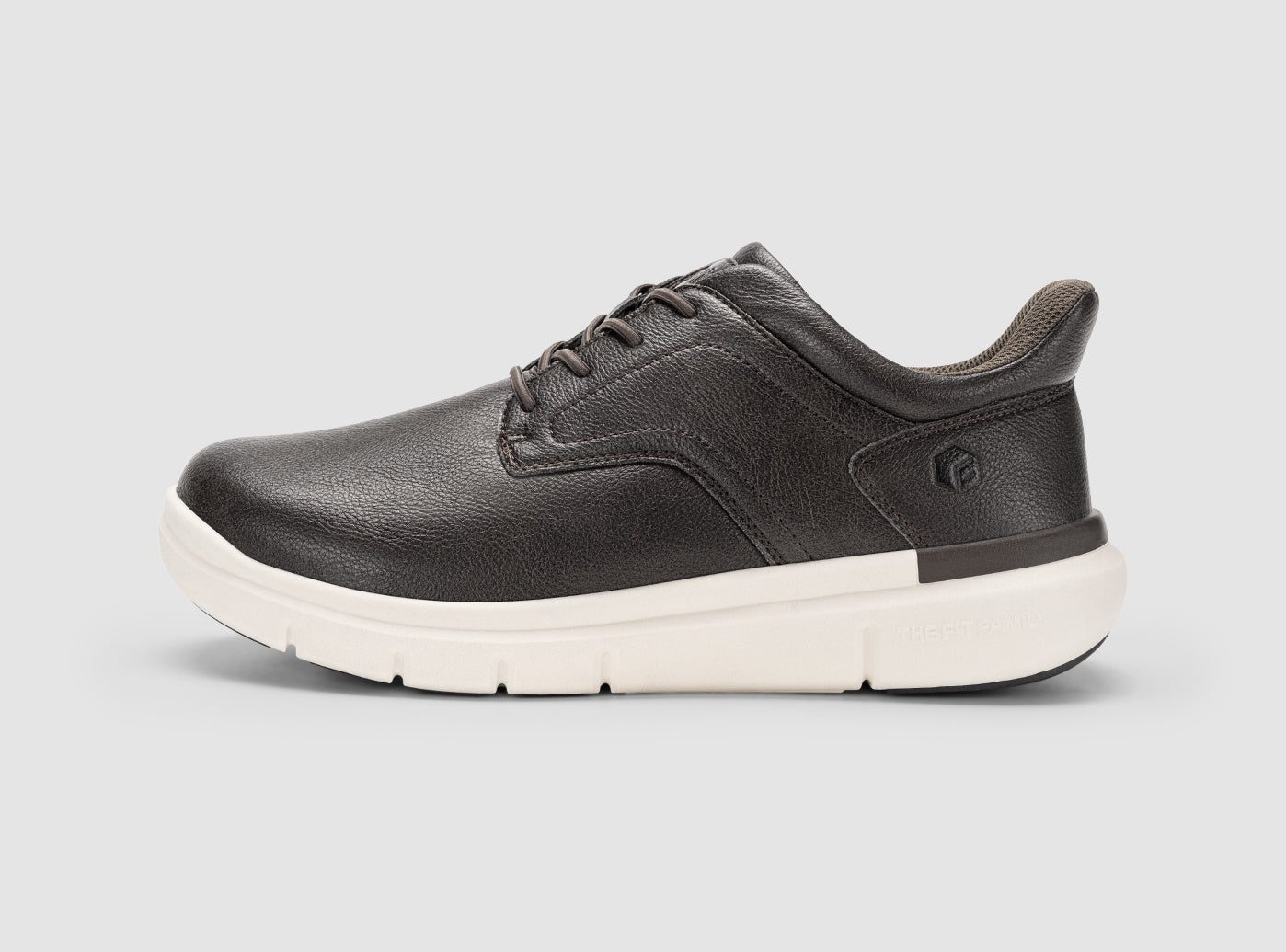
01The problem, drawn accurately
Picture a foot at 6pm after a long shift. It has swelled slightly, which is normal. The forefoot is the widest part, and it needs room to splay each time you push off. When the shoe's toe box tapers to a point, the foot can't spread, so the toes get crowded and pressure concentrates where it shouldn't. Add hours of standing on a hard floor, and the tissue under the heel and arch takes repeated load with little recovery.
Three symptoms follow from that picture. Burning across the ball of the foot, from crowding and pressure. Aching in the heel or arch, from repeated impact without cushioning. And that raw, hot feeling along the sides, from a shoe that's simply too narrow. People often blame their feet. Usually the geometry of the shoe is the real culprit.
02Why regular "wide" shoes don't fix it
Here's the part most shoppers never hear. Many brands create a "wide" size by grading up the same last, which is the foot-shaped mold a shoe is built on. They add volume, but keep the pointed shape. So you get a shoe that's bigger, not better shaped, and your forefoot still can't splay properly.
A second issue is width standards. "Wide" and "extra wide" are not tightly regulated across brands, so one company's wide is another's medium. That's why people order up, get a shoe that's too long, and still feel the pinch across the toes. Length and width are different problems, and grading length up rarely solves a width problem.
The fix is a shoe designed around the wide foot from the start: a genuinely rounded toe box, true width fittings, and enough depth for the foot to sit down into rather than perch on top.
03A structured approach to solving it
Think of this as four steps, in order.
Step 1: Measure width, not just length. Trace your foot on paper in the evening, when it's at its widest, and measure across the ball. Compare against the brand's fitting chart. FitVille publishes width fittings from 2E through 6E, and some 6E-XX models for very broad or swollen feet, so you can match the number instead of guessing.
Step 2: Match the toe box shape to your foot. You want the widest point of the shoe to line up with the widest point of your foot, and the toes to have room to spread. A rounded, roomy toe box does this; a tapered one won't, no matter the width label.
Step 3: Add cushioning that suits your day. If you stand or walk a lot, a cushioned midsole reduces the repeated impact your heel and arch absorb. FitVille's PropelCore foam, used across the Rebound Core line, is built for that daily shock absorption. Softer isn't always better, though; you want support, not a marshmallow you sink into.
Step 4: Keep the insole flexible to your needs. Feet differ, and a fixed footbed can't suit everyone. Removable insoles let you drop in a custom orthotic your podiatrist recommends, which is the single most effective personalization most people can make.
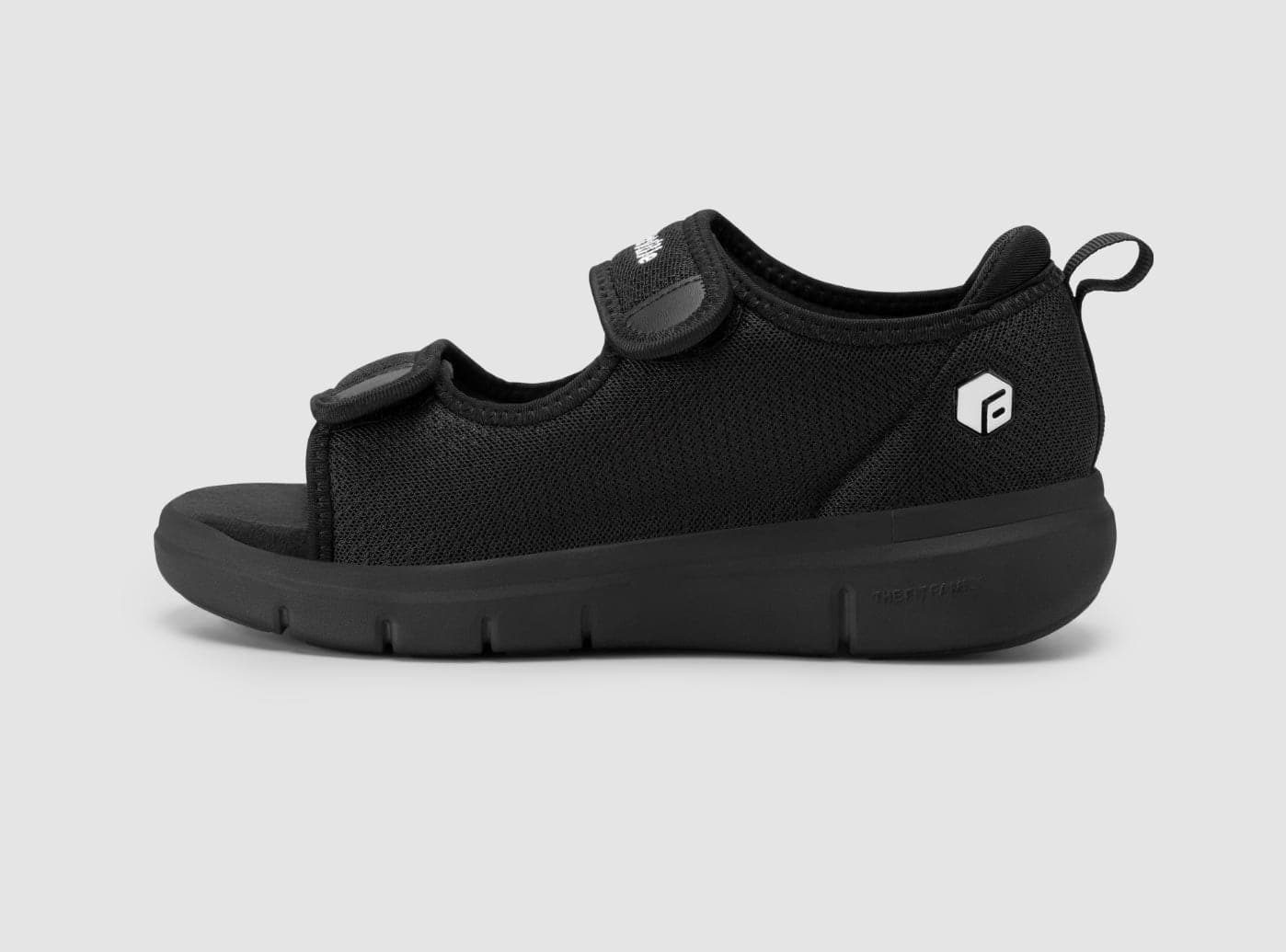
04What changes when the fit is right
When the toe box finally lets the forefoot splay, crowding pressure drops and that burning across the ball tends to ease. When cushioning absorbs impact, the heel and arch get a little relief across a long day. And when width is correct, the hot rubbing along the edges usually stops, because nothing is being squeezed.
I want to be careful here. These are experiential improvements that wearers commonly report, and they line up with the mechanics. They are not a cure for any condition. Someone with plantar fasciitis might find standing more tolerable in a well-fitted, cushioned shoe, and still need stretching, rest, and professional treatment to address the underlying inflammation. The shoe is one supportive piece, not the whole answer.
Matching the problem to the pick
| If your main issue is… | Look for | FitVille direction |
|---|---|---|
| Toes crowded, forefoot burning | Roomy rounded toe box, 4E–6E fitting | Wide/extra-wide walking shoes |
| Heel and arch ache from standing | Cushioned midsole, firm heel counter | Rebound Core (PropelCore) line |
| Can't bend to tie laces | Secure slip-on entry | Slip-on walking styles |
| Swelling through the day | Extra depth, 6E-XX options | Extra-wide / diabetic-friendly styles |
You can compare these directly on the FitVille site. Pricing is in USD, mid-range for the category, with free shipping over a threshold and a first-order discount often available. I'm not quoting exact figures because they change; confirm before ordering.
A short checklist before you buy
- Measured your foot width in the evening, at its widest
- Matched that width to a real fitting number, not just "wide"
- Chosen a rounded toe box that aligns with your forefoot
- Confirmed the insole is removable if you use orthotics
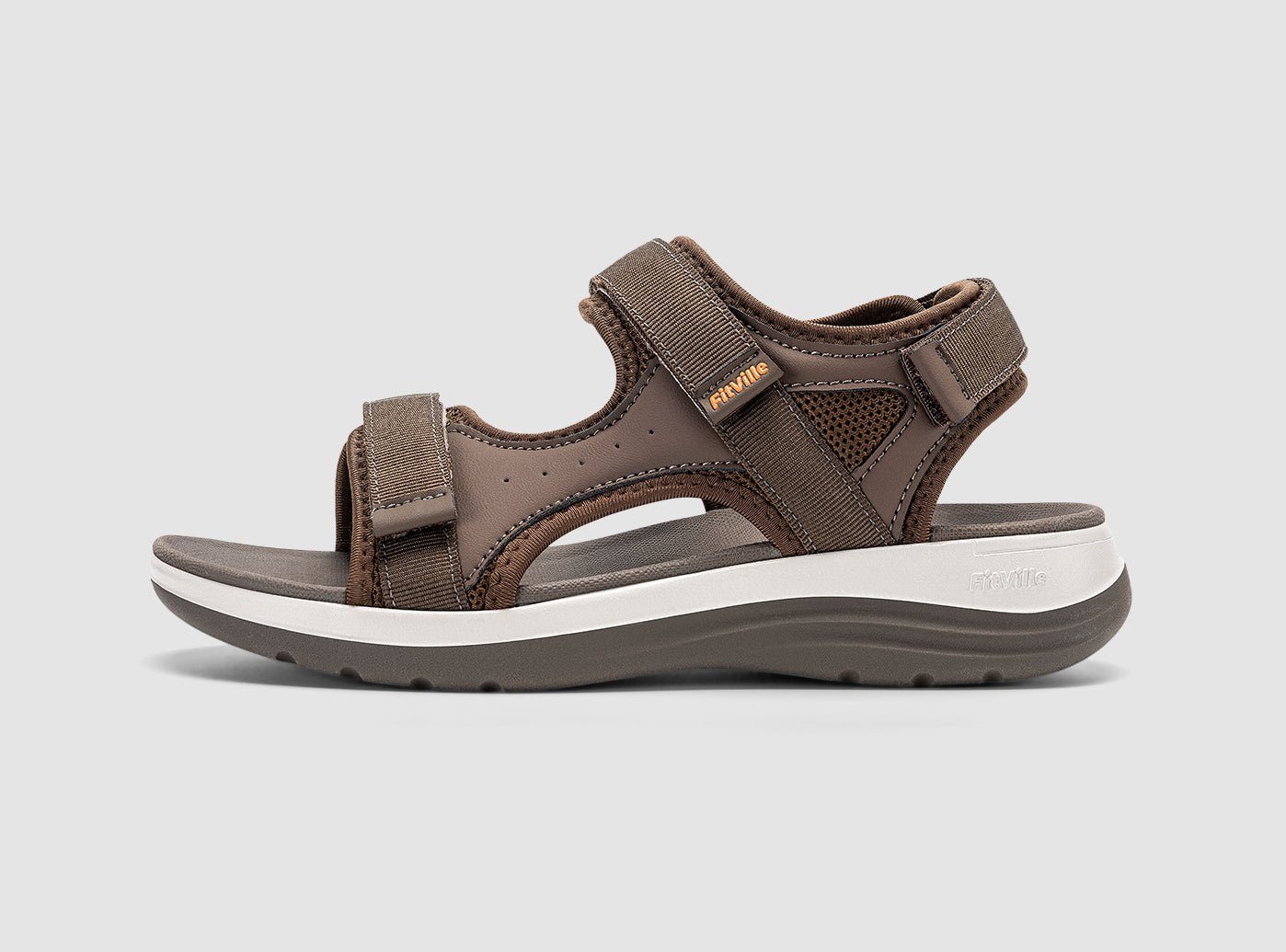
- Kept your return window in mind, since open toe boxes affect sizing
Get those five right and you've solved most of what makes standing hurt for wide-footed people. The shoe stops fighting the foot, and the day gets easier.
FitVille — width-first comfort footwear
A range built around the wide-foot problem: 2E–6E fittings (plus 6E-XX for very broad or swollen feet), rounded toe boxes, PropelCore cushioning and removable insoles that welcome orthotics.
🥿 Ships from Los Angeles · fittings 2E through 6E-XX · removable insoles · first-order discount usually live · free shipping over a threshold. Affiliate link — we may earn a commission at no extra cost to you.
FAQ
Why do my feet hurt even in shoes labeled "wide"? Often the shoe is graded wider but keeps a pointed toe box, so your forefoot still can't splay. Shape matters as much as width.
How do I know my actual width? Trace and measure across the ball of your foot in the evening, then compare to the brand's fitting chart rather than trusting a generic S/M/L label.
Will cushioned shoes cure my plantar fasciitis? No. They may make standing and walking more comfortable, but plantar fasciitis needs proper care. Treat the shoe as support, and see a professional.
Are removable insoles worth it? Very much so if you have specific arch needs. They let a podiatrist-recommended orthotic do the personalized work the stock footbed can't.
What if my feet swell a lot during the day? Look at extra-wide and 6E-XX options with more depth, and fit them for your evening foot size, not your morning one.
Want gear like this on your content calendar?
Join AffluencerHub, get AI-matched to brand programs that fit your audience, and track every click to commission in one place.
Apply as a Creator