
A patient, no-pressure walkthrough for anyone buying their first pair of boiled-wool clogs — how they work, who they suit, and how to get the size right the first time.
TL;DR: If you spend long hours on your feet at home and want something warmer than a slipper but sturdier than a sock, boiled-wool clogs are the sweet spot. The heritage name most first-timers land on is Stegmann, an Austrian-rooted maker whose Original 108 wool clog is the classic starting point. Read the sizing section before you buy — that is where most people go wrong.
What are boiled-wool clogs, and why do people love them?
Boiled wool is exactly what it sounds like: wool that has been agitated with heat and moisture until the fibers lock together into a dense, felt-like fabric. The result is soft to the touch but surprisingly structured — it holds its shape, resists sagging, and hugs the foot without squeezing it. Slip a pair on and the first thing you notice is that there is no break-in drama. It feels broken in from minute one.
The appeal goes beyond softness. Wool is a natural temperature regulator, so a good boiled-wool clog tends to feel warm on a cold tile floor in January and stays breathable rather than clammy when the house warms up. Comfort-footwear reviewers often describe this as the "goldilocks" quality of wool — rarely too hot, rarely too cold. Pair that upper with a supportive footbed and you have a shoe people wear from breakfast to bedtime without thinking about it.
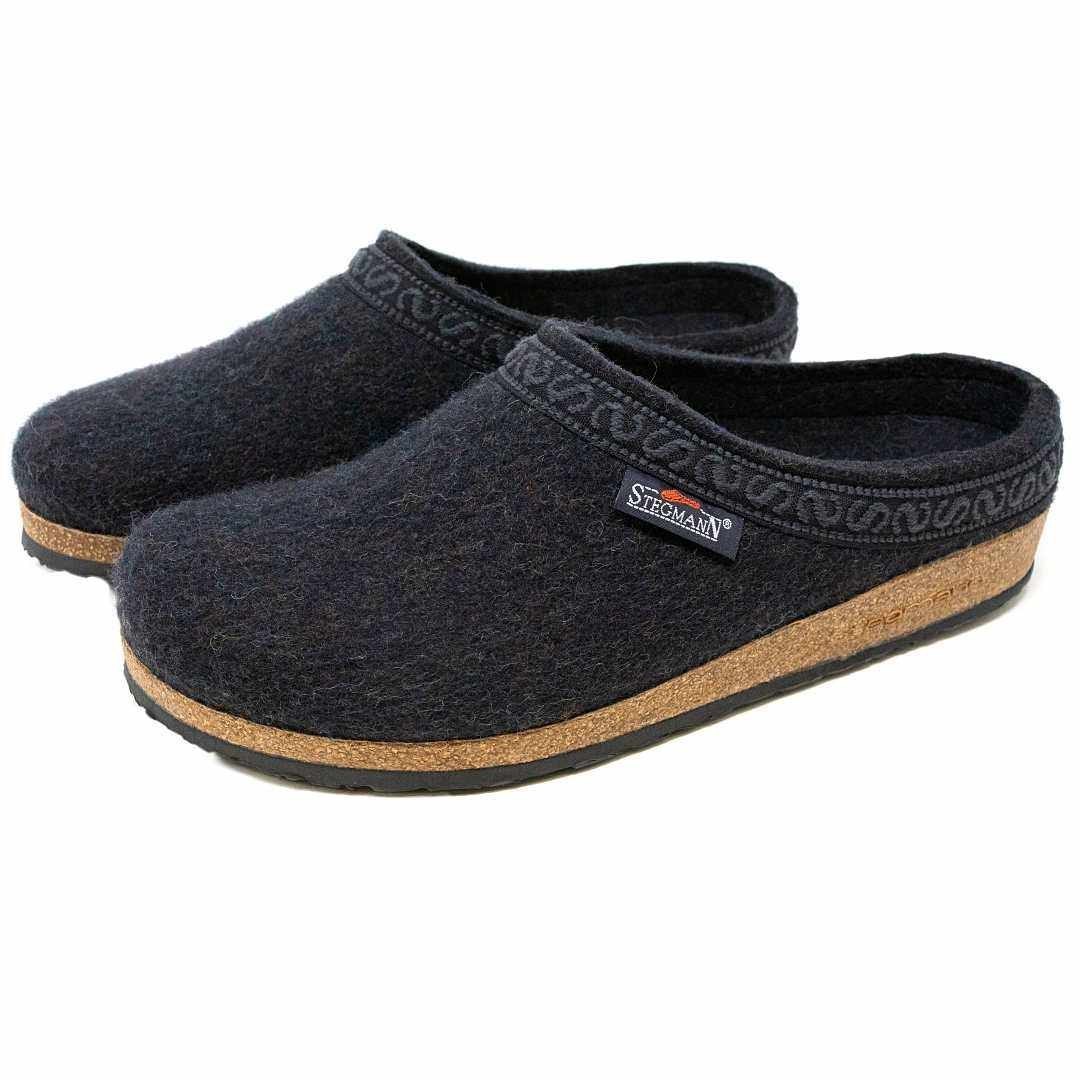
That is the category in a nutshell. Brands like Stegmann lean on Austrian heritage and craftsmanship — the brand states a lineage going back to 1888 — and build the clogs from natural materials: boiled wool up top, often a cork or cork-blend footbed, and a real outsole underneath. The mix is what makes them feel like a slipper but behave like a shoe.
Who are wool clogs actually for?
Honestly, a wider group than most people assume. If any of these sound like you, they are worth a look:
- You work from home and want something nicer than socks but comfier than sneakers for pacing between the desk and the kettle.
- You are on your feet all day — teachers, nurses and other healthcare staff, retail folks — and want a soft landing when you finally get home.
- You run cold, especially through the feet, and hate cold floors in the morning.
- You are shopping for a gift for a parent or grandparent who values comfort over trend.
- You are simply a wool-comfort devotee who already loves merino base layers and wants the same feeling for your feet.
Five things to look for before you buy
1. Wool versus leather uppers
Wool clogs are the cozy, breathable, warm-weather-to-cold-weather all-rounder — the hero of the category. Leather clogs are a touch more structured and dressier, and they shrug off scuffs a little better, which some buyers prefer for indoor-outdoor use. If this is your first pair and you want the signature "wool clog" experience, start with wool; consider leather as a second pair once you know you love the fit.
2. Footbed and arch support
This is the part wearers talk about most. A cork or cork-blend footbed molds gradually to the shape of your foot, and an anatomically contoured sole with a defined arch is frequently cited by wearers and comfort blogs as the reason these clogs feel good over a long day. Keep expectations realistic and non-medical here — think everyday comfort, not a clinical device — but a well-shaped footbed is the difference between "nice" and "I never want to take these off."
3. Width and fit
Feet are not all the same width, and wool clogs live or die on fit. Look for a brand that offers more than one width. Stegmann, for example, is known for offering wide widths, which matters if standard shoes usually pinch you across the ball of the foot.
4. An indoor-outdoor sole
The dividing line between a slipper and a clog is the outsole. A genuine rubber or cork-and-rubber outsole lets you step out to grab the mail, walk the dog, or cross a gravel path without ruining the shoe or your footing. If you want one pair that does double duty, prioritize a real outsole over the softest possible sole.
5. Care and longevity
Natural materials reward a little care. Most boiled-wool clogs prefer spot cleaning, air drying away from direct heat, and the occasional airing out rather than a trip through the washing machine. Treated well, a good pair is a multi-season companion, which is part of why the up-front cost pencils out over time.
Top Stegmann styles to know
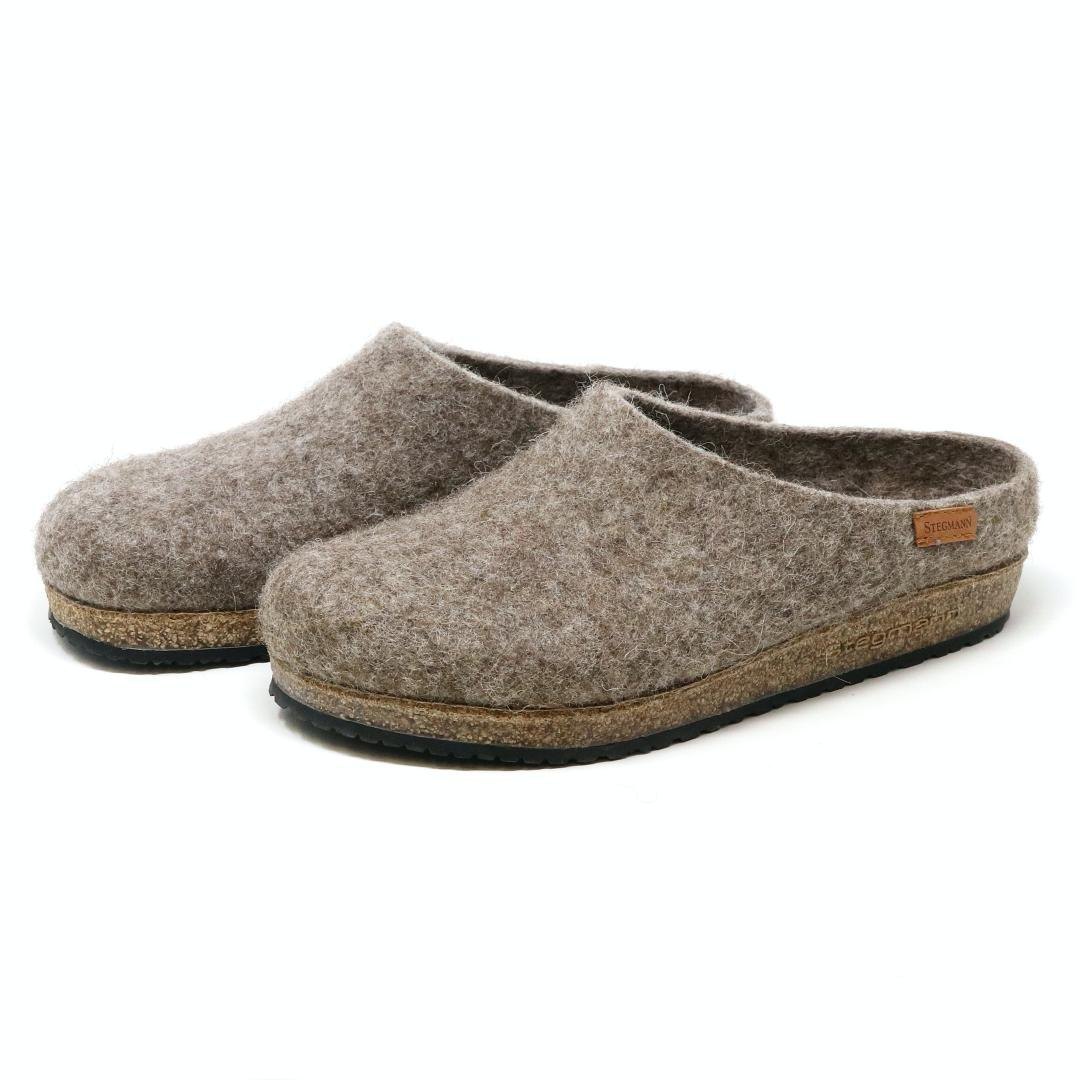
- Original 108 wool clog — the hero and the natural first pair. Classic boiled-wool upper, cork footbed, the shape the brand is best known for.
- Leather clogs — a more structured, slightly dressier option for people who want a bit more polish or durability.
- Wool slippers — softer and more house-bound, a lower-effort entry point if you mostly want indoor coziness.
- Eco, WoolFlex and Essenz wool clog variants — updated takes on the wool clog with different footbed and material tweaks, including more sustainable and vegan-leaning "Renew" style options for buyers who want that.
- Seasonal boots, mules and sandals — the warm-wool idea extended across the calendar for people who get hooked on the material.
Pricing by tier (the qualitative version)
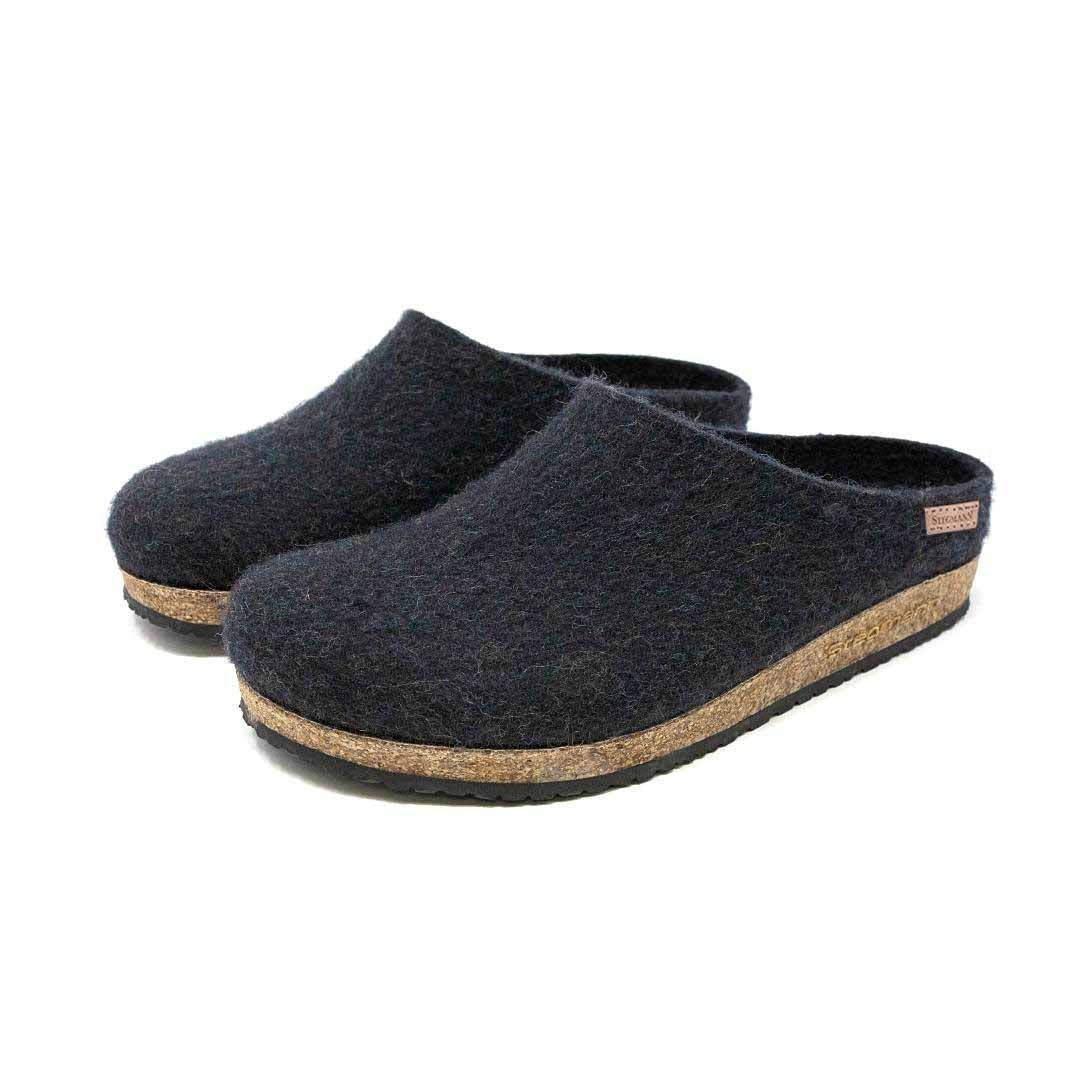
Nobody likes surprises at checkout, so here is the honest lay of the land without pretending to quote exact figures. Wool slippers sit at the lower-to-middle of the range — the easiest way to try the material. The hero Original 108 wool clogs land in the mid band and are the reference point most people compare against. Leather clogs run a bit higher, in the mid-to-upper band, reflecting the material. And seasonal boots, mules and sandals tend to sit at the upper end. All figures are in USD and shift with sales and season, so treat these as bands, not promises. For a comfort item you may wear daily for years, most buyers find the mid band reasonable.
Common mistakes (especially sizing)
The number one error is guessing your size. Wool clogs, and many European comfort brands, do not always map cleanly onto your usual sneaker number, and some are sold in EU sizing. Always check the brand's own size chart, measure your foot rather than trusting your "usual" size, and if you are between sizes or have a wider foot, factor that in before ordering. The second mistake is expecting a slipper — a clog with a real outsole feels a little firmer underfoot, and that firmness is the support you are paying for. Give a new pair a few days.
FAQ
Are wool clogs too warm for year-round wear? Not usually. Wool's temperature regulation means many wearers keep them on well past winter; breathability is one of the material's headline traits.
Can I wear them outside? Yes, if the pair has a genuine outsole — that is the whole point of a clog versus a slipper. They are built for quick indoor-outdoor trips.
Do they help with foot comfort? Wearers and comfort blogs frequently credit the cork footbed and contoured sole for all-day comfort. Keep it in the everyday-comfort category rather than treating it as medical advice, and see a professional for any specific foot concern.
Wool or leather for a first pair? Wool, if you want the classic experience. Leather is a great second pair.
Next steps
If you have read this far, you already know more than most first-time buyers. Decide whether you want the classic wool experience (start with the Original 108 and its wool-clog siblings), measure your foot against the size chart, pick your width, and you are set. The cozy season is the natural time to try them — and a pair makes an easy, genuinely useful gift.
Disclosure: This post contains affiliate links. We may earn a commission from purchases made through these links at no extra cost to you. Prices and availability accurate at time of writing.
Disclosure: affiliate link — we may earn a commission at no extra cost to you.
Want gear like this on your content calendar?
Join AffluencerHub, get AI-matched to brand programs that fit your audience, and track every click to commission in one place.
Apply as a Creator