A plain-English walkthrough for Australian sole traders and small businesses choosing their first real accounting system — with where MYOB fits.
TL;DR: If you're in Australia and drowning in receipts, the right software pays for itself in saved hours and avoided ATO stress. Here's how to choose one without needing an accounting degree — and why MYOB keeps coming up for AU businesses.
What accounting software actually does for you
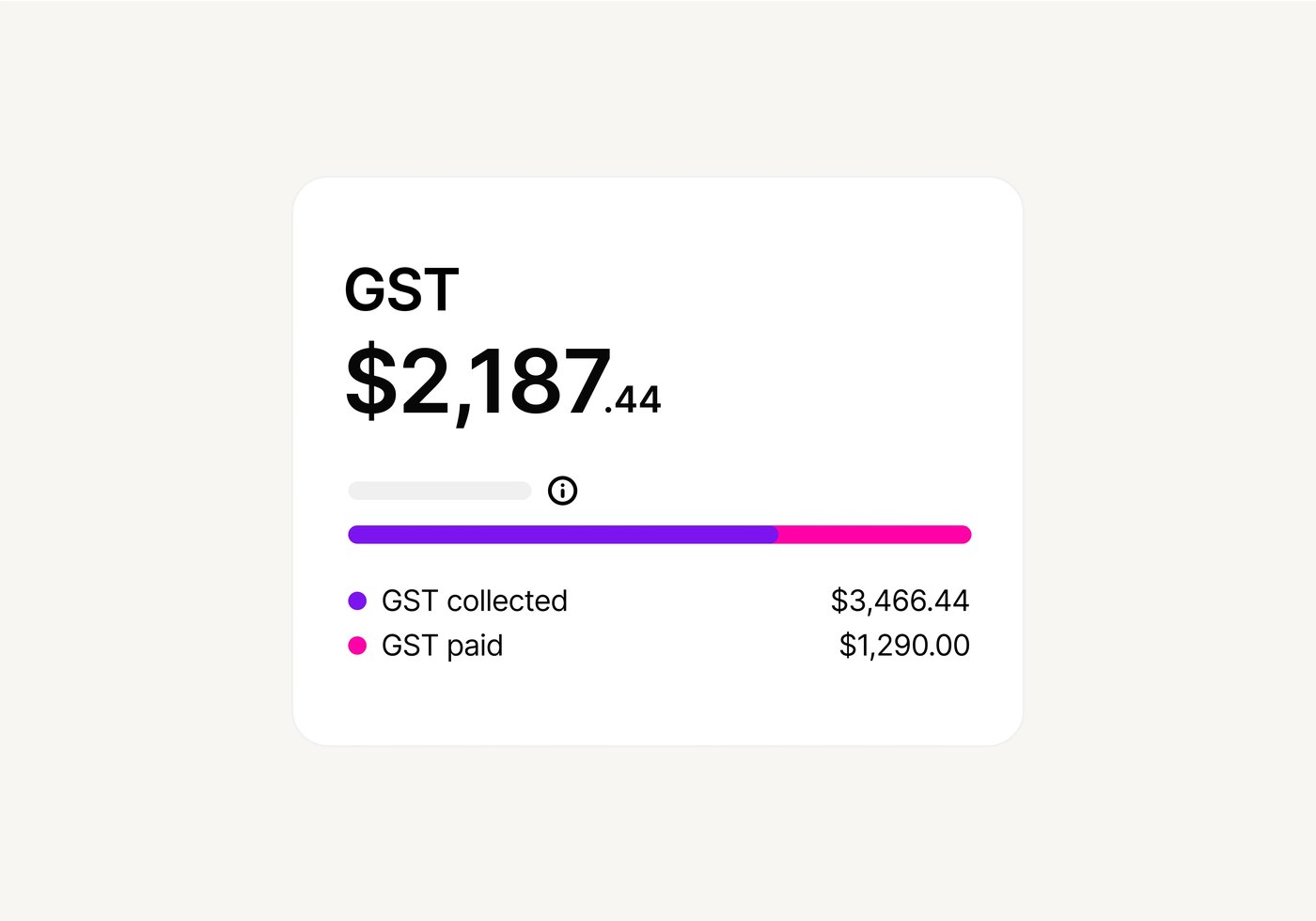
Let's start honest: most people setting up a business don't want to think about bookkeeping at all. That's exactly why software matters. Good accounting software isn't about becoming a numbers person. It's about not having to — the system tracks what comes in and goes out, works out your GST, and gets your BAS ready so you're not reconstructing a year of coffee receipts the night before a deadline.
In Australia specifically, there's a layer most global tools handle awkwardly: the local compliance stuff. GST, BAS, Single Touch Payroll, superannuation — these follow ATO rules, not generic ones. This is the first place a beginner gets burned, choosing a slick international app that then can't lodge a BAS the way the ATO expects. It's the single biggest reason locally-built options like MYOB stay relevant here.
Who needs this?
- You'd benefit if — you invoice customers, pay yourself or staff, or have to lodge a BAS. That's most businesses.
- You might not need it yet if — you're a hobby seller with a handful of transactions a year. A spreadsheet is fine until it isn't.
- Best fit — sole traders going legit, small businesses hiring their first employee, and tradies juggling jobs and materials.
The 5 things to look for
1. Local compliance, built in
For an Australian business this is non-negotiable. You want GST tracking, BAS preparation, STP Phase 2 payroll reporting, and super all handled natively — ideally with direct BAS lodgement. MYOB is built around AU/NZ tax rules from the ground up, which is its core pitch and a genuine advantage over tools that treat Australia as an afterthought.
2. How it handles payroll
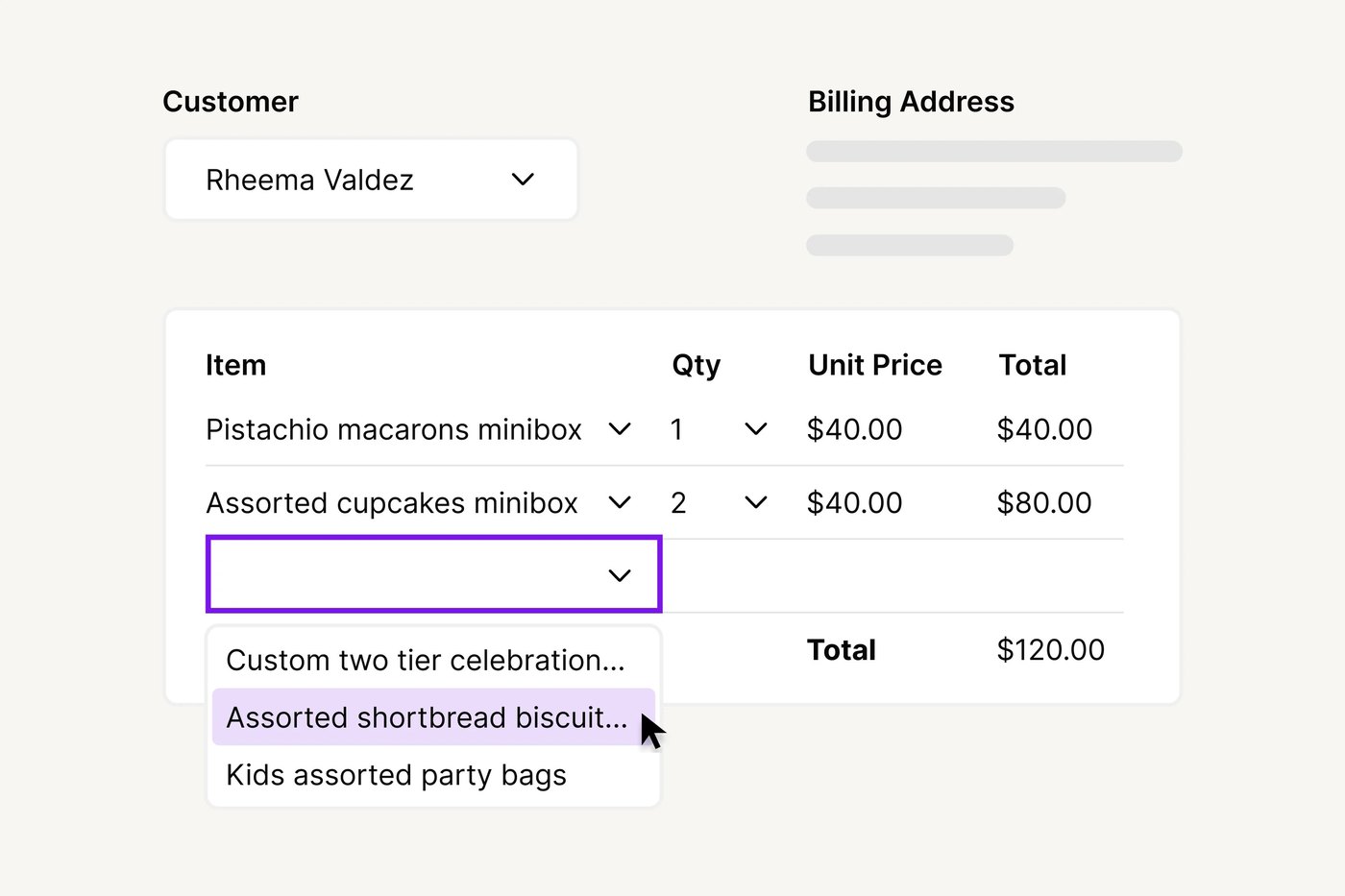
The moment you pay even one person, payroll compliance lands on you. Look at whether payroll is included or an add-on, and how it's priced per employee. MYOB structures this across tiers — a small per-employee cost on lower plans, and unlimited payroll built into its higher AccountRight plans.
3. Bank feeds
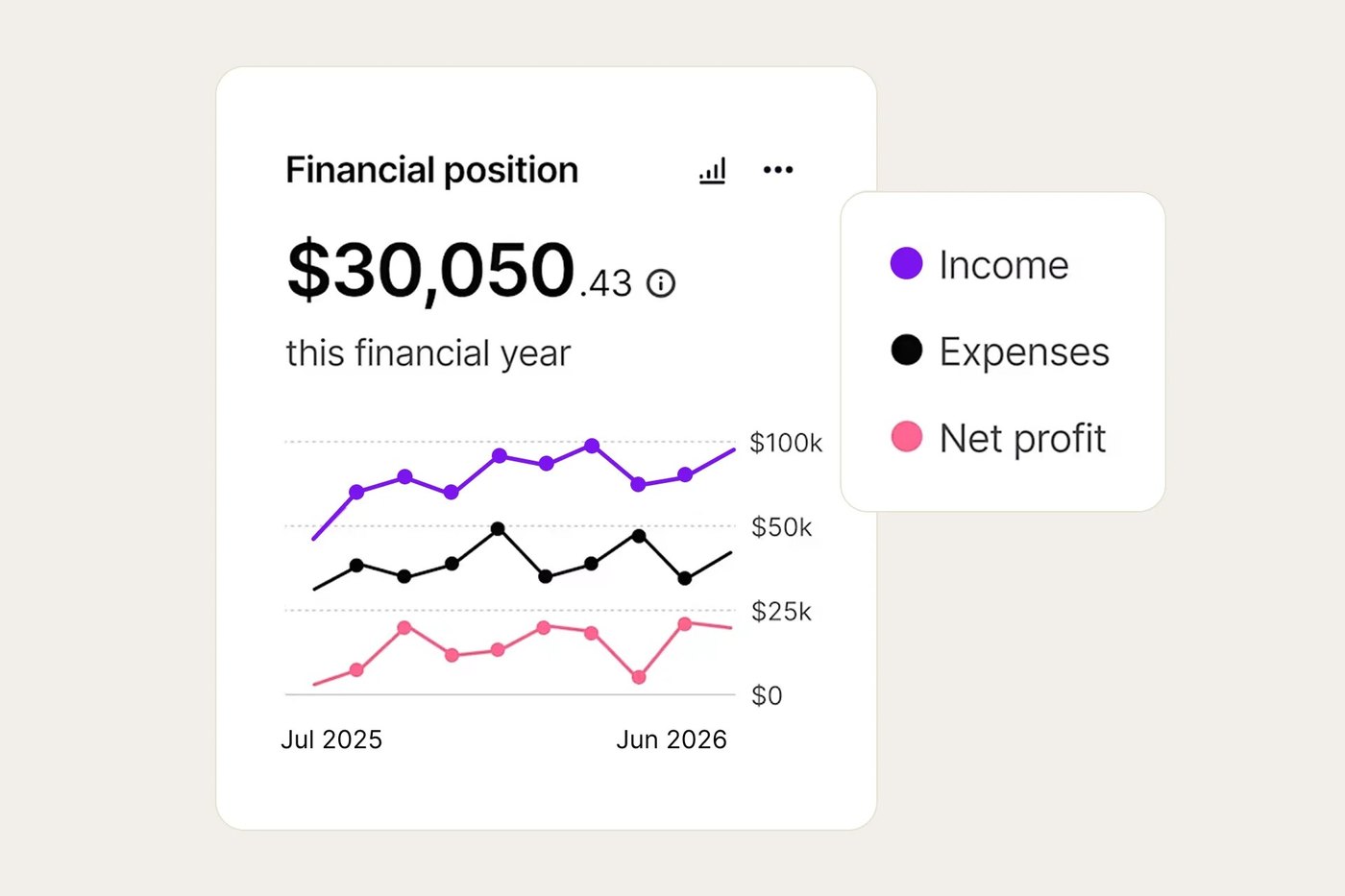
The feature that saves the most hours is automatic bank feeds — your transactions flow in instead of being typed. Check that your bank is supported. MYOB connects to well over a hundred Australian banks, including all of the Big Four, so most people are covered.
4. Support you can actually reach
When your BAS is due and something's broken, "email us" doesn't cut it. One of MYOB's clearest differentiators is dedicated Australian phone support during business hours — a contrast to rivals that lean online-only. If phone help matters to you, weigh it heavily.
5. Room to grow
Pick a system you won't outgrow in a year. If you'll add staff, carry stock, or run job costing, make sure the software scales into that. MYOB is often rated strongest exactly here — inventory and job costing depth — which is why product-based and trade businesses gravitate to it.
Top MYOB picks in 2026
A note on pricing: plans and promotions change, and figures move, so treat these as tiers and check the current page before deciding.
Best for sole traders: Solo by MYOB
The entry tier aimed at sole traders who mainly need to track income, expenses, and GST. If it's just you, start here.
- Where it fits: freelancers and one-person operations. See current MYOB plans.
Best all-rounder: MYOB Business Lite / Pro
The core small-business tier. Lite covers the essentials with a small payroll add-on for a couple of employees; Pro opens up unlimited-employee payroll. For most growing small businesses, this is the sweet spot.
- Where it fits: small businesses with staff. Compare the plans.
Best for inventory and trades: MYOB AccountRight Plus / Premier
The higher tiers, where unlimited payroll is included and inventory, job costing, and multi-currency depth kick in.
- Where it fits: product-based businesses, tradies, anyone costing jobs.
Pricing, by tier
| Tier | Roughly | What you get | Recommended for |
|---|---|---|---|
| Solo | Entry band | Income, expenses, GST tracking | Sole traders |
| Business Lite / Pro | Mid band | Invoicing, GST/BAS, payroll (add-on to unlimited) | Small businesses with staff |
| AccountRight Plus / Premier | Higher band | Unlimited payroll, inventory, job costing | Inventory & trade businesses |
Common mistakes to avoid
- Choosing on price alone. The cheapest plan that can't lodge your BAS properly costs you far more in accountant hours. Match the plan to your actual compliance needs.
- Ignoring payroll pricing. Per-employee add-ons add up. If you're hiring, price the tier that includes what you'll need in six months, not just today.
- Setting it up once and never learning it. Spend an afternoon on the bank feeds and invoice templates early. The software only saves time if you let it do the repetitive work.
FAQ
Q: How much should I budget?A: Enough for the tier that covers your compliance and payroll reality. A sole trader can start cheap; the moment you hire, budget for a plan with proper payroll rather than bolting it on awkwardly.
Q: What if I'm just starting out and it's only me?A: Start at the sole-trader tier and move up when you hire or add stock. There's no prize for over-buying on day one.
Q: When's the best time to switch?A: The start of a financial year is cleanest — EOFY (around June/July) is the natural switchover point, and it's when many businesses reassess. It's also when the Payday Super changes make payroll setup worth getting right.
Q: Is MYOB similar to Xero?A: They overlap heavily. Xero is often praised for a cleaner interface and a bigger app marketplace; MYOB tends to win on inventory, job costing, and local phone support. We break that down in our MYOB vs Xero comparison.
Next steps
If you're an Australian business tired of the shoebox-of-receipts method, start by matching a plan to your real needs — compliance first, payroll second, growth room third. When you're ready to look, start with MYOB's current plans; the range spans a simple sole-trader tier up to full inventory and job costing.
Disclosure: This post contains affiliate links. We may earn a commission from purchases made through these links at no extra cost to you. Prices and availability accurate at time of writing.
Disclosure: affiliate link — we may earn a commission at no extra cost to you.
Want gear like this on your content calendar?
Join AffluencerHub, get AI-matched to brand programs that fit your audience, and track every click to commission in one place.
Apply as a Creator