
Everything a German or EU household needs to know before buying a portable power station, solar generator, or home backup system this year.
TL;DR: If you want reliable backup for autumn storms, camping trips, or pairing with a Balkonkraftwerk, a LiFePO4 power station is the sensible 2026 choice. Bluetti covers the full ladder from pocket units to whole-home systems, and you can browse the current EU range and promotions on the Bluetti EU site. Match capacity (Wh) to what you actually run, check solar input, and buy during a sale window.
Power cuts used to feel like a rare inconvenience. In 2026, plenty of EU households treat a backup plan as basic infrastructure — right next to the smoke alarm and the first-aid kit. Grid strain, extreme weather, and the surge of balcony solar have all pushed portable power stations from a niche camping gadget into a mainstream home purchase. This guide explains how these devices actually work, who benefits, and how to size one properly, using Bluetti's line-up as a practical reference point.
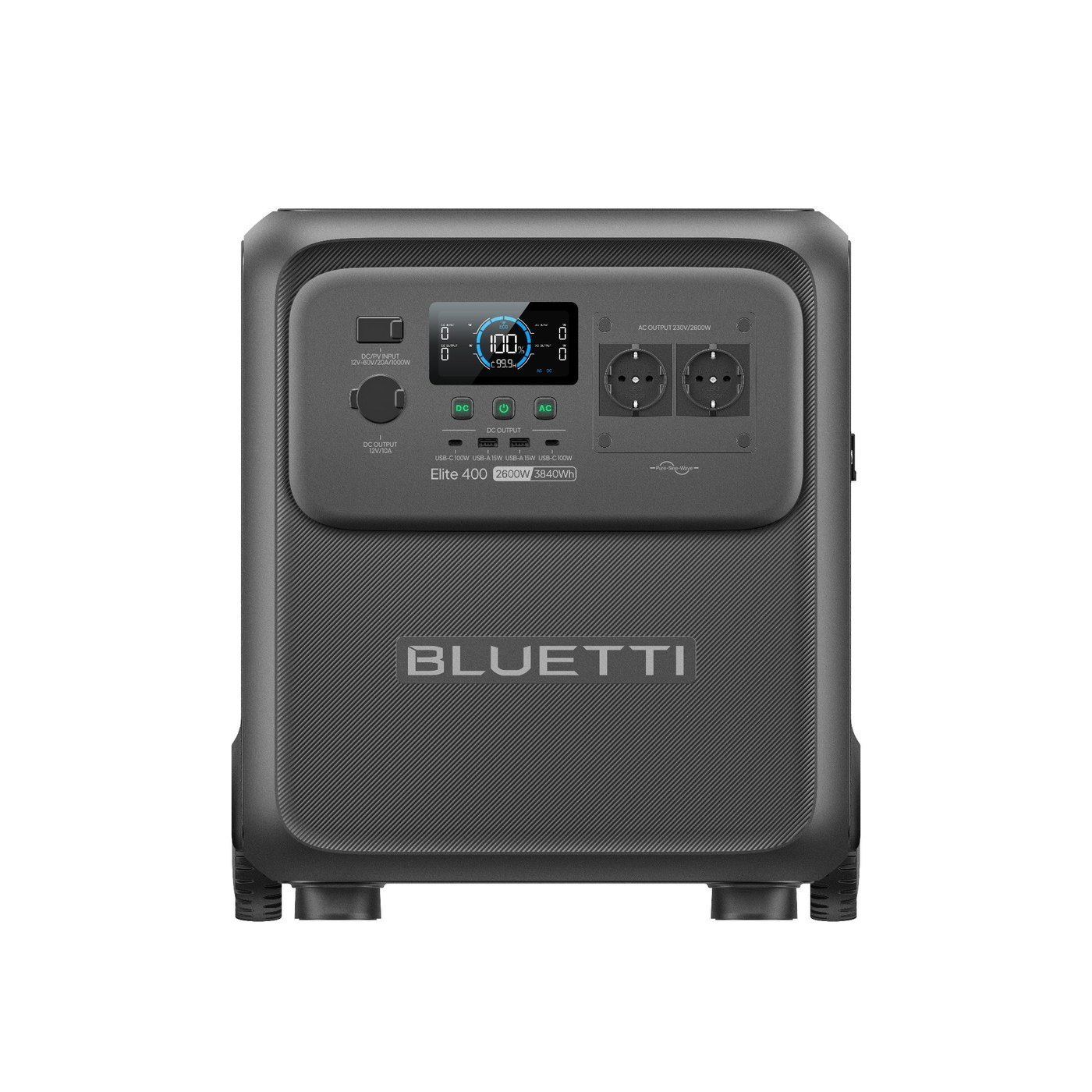
What is a portable power station, exactly?
Think of it as a giant, intelligent rechargeable battery in a box, with normal wall sockets on the front. Inside sits a battery pack; on the outside you get AC outlets (the type-F Schuko sockets you plug lamps and laptops into), USB ports, and often a 12V car socket. A built-in inverter converts the stored DC power into clean AC electricity your appliances expect.
Unlike a petrol generator, there are no fumes, no fuel, and very little noise — most units run near-silent thanks to pure sine wave inverters. You charge them from a wall socket, your car, or solar panels, then draw power back out when you need it. A "solar generator" is simply a power station bundled with (or designed for) solar panels.
Who actually needs one?
- Homeowners prepping for outages. Autumn and winter bring the storms that knock out rural and suburban grids. A mid-size unit keeps the fridge, router, phones, and a few lights alive for hours.
- Balcony-solar owners. The Balkonkraftwerk boom across Germany created a natural pairing: your panels make power during the day, and a battery stores the surplus instead of feeding it cheaply back to the grid. More on this below.
- Campers, vanlifers, and caravanners. Off-grid comfort — coffee machine, fridge box, CPAP, drone batteries — without listening to a generator drone all night.
- Tradespeople. Running tools on a site with no mains, or as a quiet alternative to a fuel generator.
The 5 things to look for
1. Capacity — measured in watt-hours (Wh)
This is the size of the tank. Watt-hours tell you how much energy is stored. A 1,000Wh (1kWh) unit can, in theory, run a 100W appliance for about 10 hours (minus some conversion losses). List what you want to keep running, note the wattage of each item, and add it up. Fridge, router, and phone charging for a day is a very different job from powering a full home.
2. Output — measured in watts (W)
This is the size of the tap. Watts tell you how fast power can flow, and therefore what you can run at once. A kettle, hair dryer, or power drill draws a lot instantly; if the output rating is too low, the unit simply won't start them. Check both the continuous rating and the surge rating, and make sure your heaviest appliance fits under the continuous figure.
3. Battery chemistry — insist on LiFePO4 (LFP)
This is the single most important spec for a home device. LiFePO4 cells last far longer than older lithium chemistries — top Bluetti units are rated for thousands of charge cycles (figures in the ~3,500 to 6,000 range on the flagship models; check current specs per model). More cycles means the battery is still healthy after a decade of regular use, and LFP is also more thermally stable. Bluetti standardised on LFP across its modern range.
4. Solar input
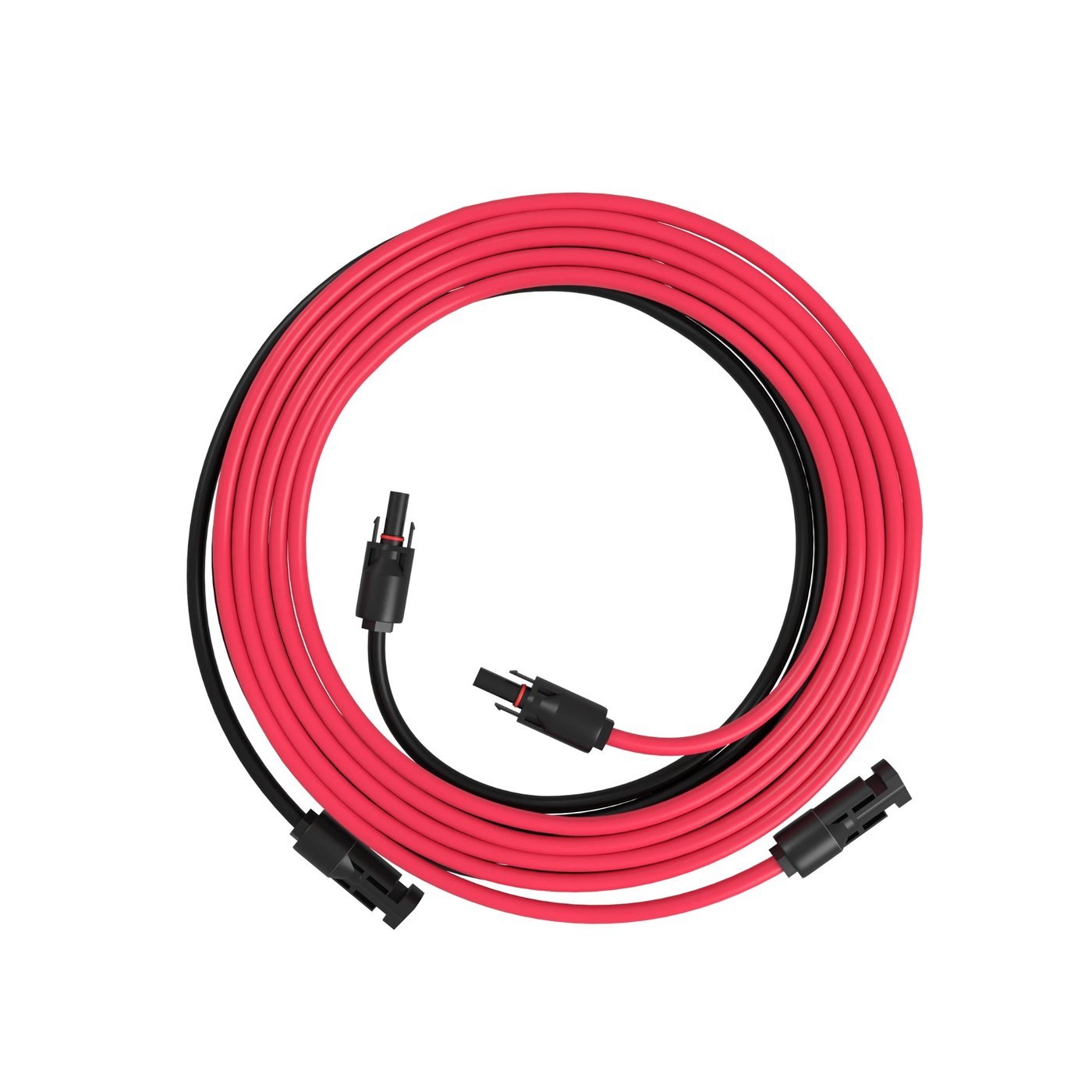
If you plan to recharge from panels — essential for balcony solar and camping — check the maximum solar input in watts. Higher input means faster top-ups on a sunny afternoon. Bluetti units are known for generous solar input plus fast dual recharging, where you charge from AC and solar simultaneously to refill quickly.
5. Expandability (and the balcony-solar angle)
Buy for today, but leave room for tomorrow. Modular systems let you clip on extra battery packs later instead of replacing the whole unit. This matters especially for German balcony-solar households: start with a mid-size station now, then expand storage as you add panels. Bluetti's expandable models and the app (which reviewers describe as stable) make it easy to monitor charge, output, and solar harvest from your phone.
Top picks by tier
- Entry / grab-and-go: EB3A or Elite 30 V2. Sub-1kWh, light, ideal for phones, laptops, camping lights, and a small cooler.
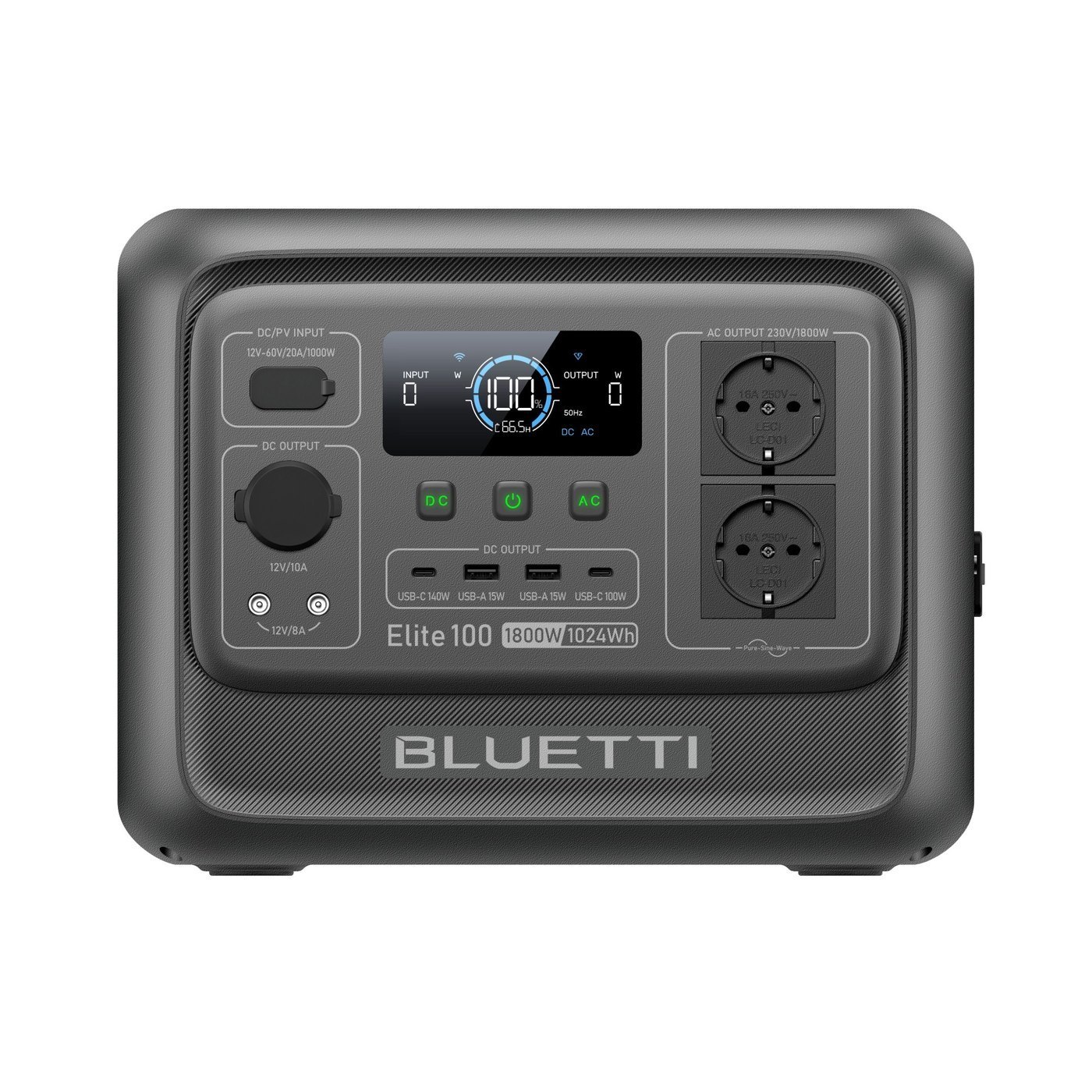
- Everyday 1kWh: AC180 or Elite 100 V2. The sweet spot for weekend trips and short outages — fridge, router, devices.
- Serious ~2kWh: AC200L, AC200MAX, or Elite 200 V2. Enough for most home-essentials scenarios and longer off-grid stays.
- Rugged outdoor: AC240, built weather-resistant for messier conditions.
- Flagship portable: Elite 300 (billed as the "world's smallest 3kWh") and Elite 400 (~3,840Wh) — the do-everything class. According to TechRadar, the Elite 300 impressed on capacity-to-size; the Elite 400 has drawn coverage from The Star, and Popular Mechanics reviewed the Elite 300 as well.
- Compact mini: Elite 10, for the lightest possible kit.
- Whole-home: AC500 and the EP-series, for households that want to back up much more than the essentials.
Rough pricing guide (EUR, qualitative)
Exact prices shift by country and promotion, so treat these as bands and always check current pricing:
| Tier | Typical EUR band |
|---|---|
| Entry (EB3A / Elite 30 V2) | Lower entry band |
| ~1kWh (AC180 / Elite 100 V2) | Lower-mid band |
| ~2kWh (AC200 series / Elite 200 V2) | Mid band |
| Flagship (Elite 300 / Elite 400) | Upper band |
| Whole-home (AC500 / EP-series) | Premium band |
Prices tend to fall hardest around Black Friday, where Bluetti EU has historically run big discounts.
Common mistakes to avoid
- Buying on capacity alone. A huge battery is useless if the output wattage can't start your kettle. Check both numbers.
- Ignoring chemistry. If a listing doesn't say LiFePO4, assume it isn't, and think twice for home use.
- Forgetting solar input limits. Panels only charge as fast as the unit accepts.
- Under-buying with no expansion path. If storage isn't expandable, you'll be shopping again in two years.
- Comparing NA reviews directly. EU model names, bundles, and availability differ from North America.
FAQ
Can it run my whole house? The AC500/EP-series can back up substantial loads, but "whole home" depends on your wiring and installation. Portable units are best for essentials.
Does it work as a UPS? Yes — Bluetti units offer fast UPS switchover, so sensitive gear stays on when the grid drops.
Is it loud? No. Pure sine wave inverters keep operation quiet, unlike petrol generators.
Will it pair with my Balkonkraftwerk? That's one of the strongest use cases in Germany right now — store daytime solar and use it at night.
Next steps
Decide what you must keep running, total the watt-hours, confirm the output covers your heaviest device, and insist on LiFePO4. Then compare the current EU range and any live promotions — you can see the full Bluetti EU line-up here and time your purchase for a sale window.
Disclosure: This post contains affiliate links. We may earn a commission from purchases made through these links at no extra cost to you. Prices and availability accurate at time of writing.
Disclosure: affiliate link — we may earn a commission at no extra cost to you.
Want gear like this on your content calendar?
Join AffluencerHub, get AI-matched to brand programs that fit your audience, and track every click to commission in one place.
Apply as a Creator