
Why your lobes react to "gold" jewelry, what actually helps, and how a titanium flat-back brand like Cords Club fits into the picture.
TL;DR: If your ears itch, weep, or swell within hours of putting earrings in, the metal is usually the culprit, not you. Look for nickel-free, implant-grade titanium and a flat-back design that sits flush behind the lobe. Cords Club builds its whole catalog around exactly that, with single-piece studs you can stack, sleep in, and wear through a workout. Check current pricing before you buy, since drops and rewards shift often.
What "sensitive ears" actually means
Let's clear something up first. When people say they have sensitive ears, they rarely mean the skin is delicate in some vague way. They usually mean their body reacts to a specific metal, and nine times out of ten that metal is nickel.
Nickel hides in a lot of jewelry, including pieces labeled "gold" or "sterling." A thin plating wears down, sweat and friction do their work, and suddenly your piercing is red and crusty. That is contact dermatitis, and it is one of the most common metal allergies there is. The frustrating part is that a piece can look identical to a body-safe one and still set your ears off, because the reaction is about what is underneath, not what is on the surface.
So the goal isn't "gentler earrings" in a fuzzy sense. The goal is earrings made from a material your immune system ignores, built in a shape that doesn't grind against a healing or reactive piercing all day.
Who this guide is for
- Anyone whose lobes react to most costume jewelry and even some fine jewelry.
- Piercing enthusiasts assembling a curated ear stack across multiple holes.
- Comfort-first buyers who want to put earrings in and forget they exist, including overnight.
- Gift-givers shopping for someone who has "tried everything" and given up on studs.
If you nodded at any of those, keep reading.
Five things to look for in sensitive-ear earrings
1. The base metal, not the color. Titanium is the material to prioritize. Cords Club states its pieces use ASTM F136 implant-grade titanium, the same standard used in professional piercing jewelry, and that they are nickel-free. That is a brand-stated claim rather than an independent lab result, so treat it as the manufacturer's specification, but it is the right specification to be asking for.
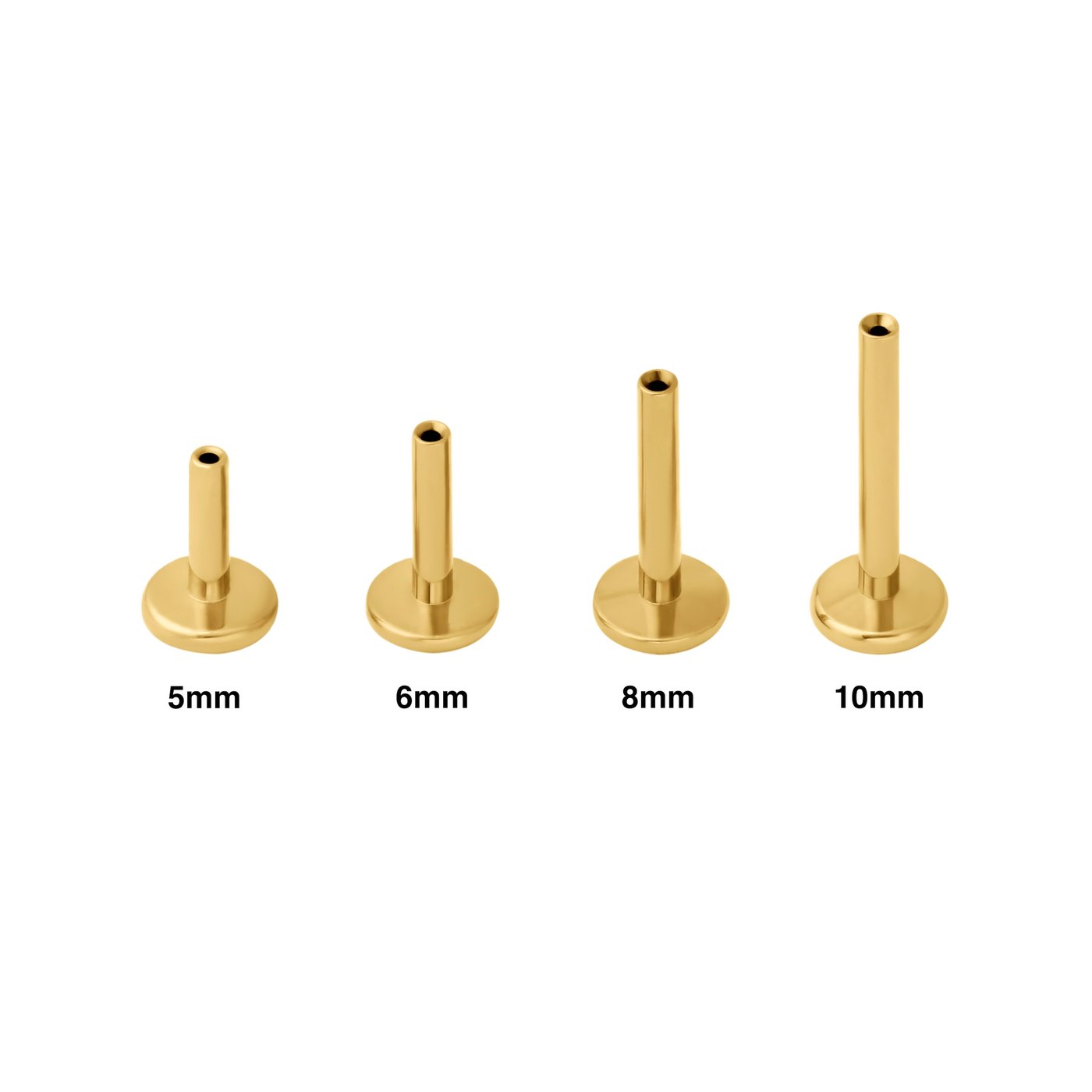
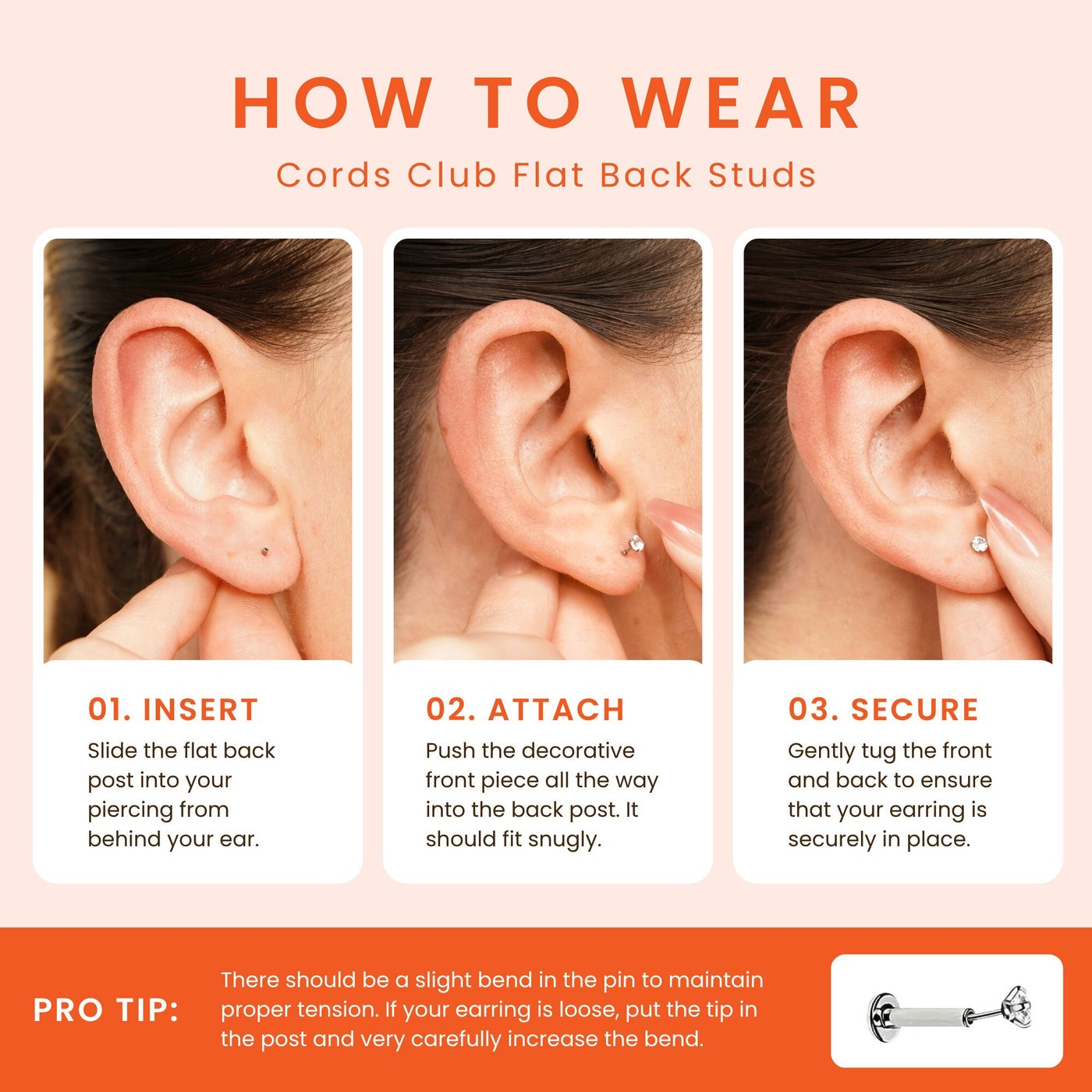
2. Flat-back construction. This is the quiet hero of comfort. A traditional stud uses a butterfly back that pokes out behind your ear, snags hair, and presses into the pillow at night. A flat-back stud reverses that, so the smooth disc sits flush against the skin and the decorative front is what shows. No poking, no snagging.
3. Weight. Titanium is genuinely light. If you wear several piercings, the cumulative drag of heavier metals causes that dull afternoon ache. Lighter posts reduce it, which matters more than people expect once they feel the difference.
4. Plating done right. Gold-toned titanium usually means gold PVD plating over a titanium core. You get the warm look without a reactive base metal doing the heavy lifting against your skin. Just know that any plating is a finish and will show wear over years of daily use, so check current care guidance.
5. Sold the way you actually wear them. Many people don't wear matching pairs anymore. Cords Club sells pieces individually rather than forcing pairs, which is what you want when you're mixing a hoop here, a tiny stud there, and a cartilage piece up top.
Top picks by use case
- The everyday anchor: flat-back studs. This is Cords Club's hero category, positioned as accessible luxury, and it is where a sensitive-ear wardrobe should start.
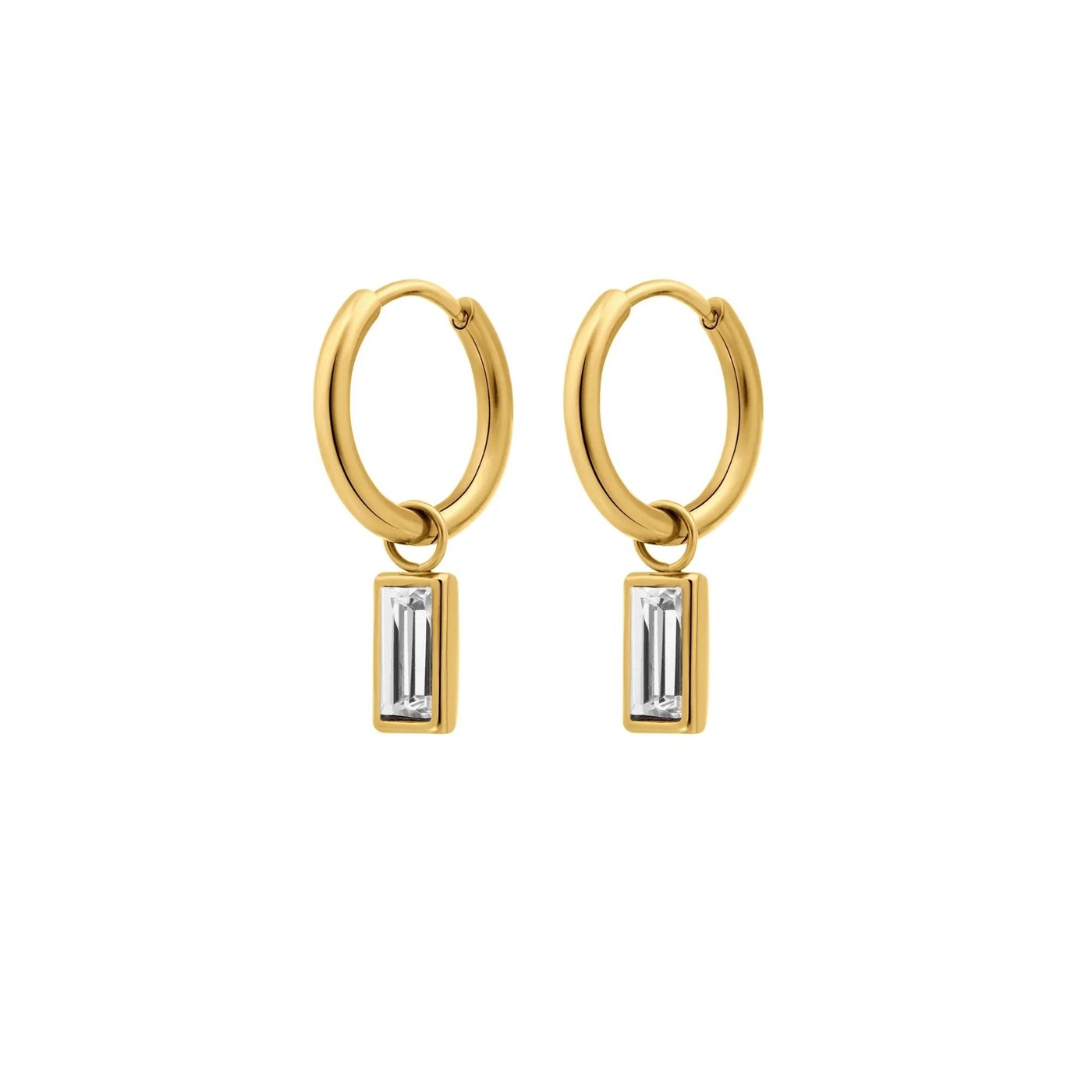
- The stacker's friend: hoops and cartilage-friendly styles for building an earscape across several piercings.
- The subtle statement: ear cuffs and huggie hoops for people who want dimension without another piercing.
- The rounding-out pieces: the supporting necklace and bracelet lines, plus seasonal drops if you like refreshing your rotation.
Pricing, in plain terms
I won't quote numbers, because a smaller direct-to-consumer brand runs seasonal collections, rewards, and gift cards that move the real figure around. Here is the honest qualitative picture instead.
| What you're buying | Rough tier | Notes |
|---|---|---|
| Single flat-back studs | Accessible-luxury entry point | Sold individually; the natural starting purchase |
| Hoops / huggies | Mid-range | Everyday wear, easy to stack |
| Cartilage styles / ear cuffs | Mid-range | Depends on stones and finish |
| Seasonal drops | Varies | Limited runs; check current availability |
| Necklaces / bracelets | Supporting range | Rounds out a set, not the main event |
Two practical levers: there is typically free shipping over a spend threshold, and a rewards program plus gift cards that reward repeat buying. If you're building a stack anyway, those add up. Always check current pricing and thresholds at checkout.
Common mistakes people make
- Buying by color, ignoring the base metal. "It's gold" tells you nothing about what your skin touches.
- Assuming sterling silver is safe. It can still contain trace reactive alloys; titanium is the more reliable bet for reactive ears.
- Sleeping in butterfly backs. That is how you wake up with a sore, snagged, half-migrated piercing.
- Forcing matching pairs. You end up with earrings you never wear. Buy singles that earn their place.
- Treating a reaction as inevitable. Reviewers in the sensitive-ear community often note that switching to titanium flat-backs is the change that finally let them wear studs again. Frame it as choosing body-safe materials, not curing an allergy.
FAQ
Is titanium really better for sensitive ears?It is the material professional piercers reach for, largely because implant-grade titanium is nickel-free. Cords Club states its titanium meets the ASTM F136 standard. That is the brand's specification, and it is the right one to want, though it is not independently lab-verified here.
Can I actually sleep in flat-back earrings?That is the design intent. The flush back is what makes overnight wear tolerable, and Cords Club markets its studs as safe to sleep in and to wear through sweat and water. Comfort still varies by person and piercing, so ease into it.
Will the gold wear off?Gold PVD plating over titanium is durable but is still a finish, so expect some change over years of daily wear. Follow the current care notes.
Does this cure my metal allergy?No. Nothing you wear cures an allergy. The point is to wear a metal your skin tolerates so you can enjoy earrings without a reaction.
Next steps
Start with one flat-back stud in the metal tone you wear most. Live with it for a week, sweat in it, sleep in it, and see how your ears respond. If it behaves, build out from there with a hoop or a cartilage piece and let the stack grow. You can browse the current Cords Club lineup, check the live pricing and shipping threshold, and see which seasonal pieces are in stock before you commit.
Sensitive ears don't mean giving up on earrings. They just mean being pickier about what touches your skin, and that is a very solvable problem.
Disclosure: This post contains affiliate links. We may earn a commission from purchases made through these links at no extra cost to you. Prices and availability accurate at time of writing.
Disclosure: affiliate link — we may earn a commission at no extra cost to you.
Want gear like this on your content calendar?
Join AffluencerHub, get AI-matched to brand programs that fit your audience, and track every click to commission in one place.
Apply as a Creator