
The supplement industry in 2026 is a $50 billion market where roughly 80% of the products sold don't have strong evidence behind them for the average consumer. This isn't a moral criticism, most supplements are safe , but if you're spending money hoping to improve health, you should know that the evidence-to-marketing ratio is genuinely bad in this category.
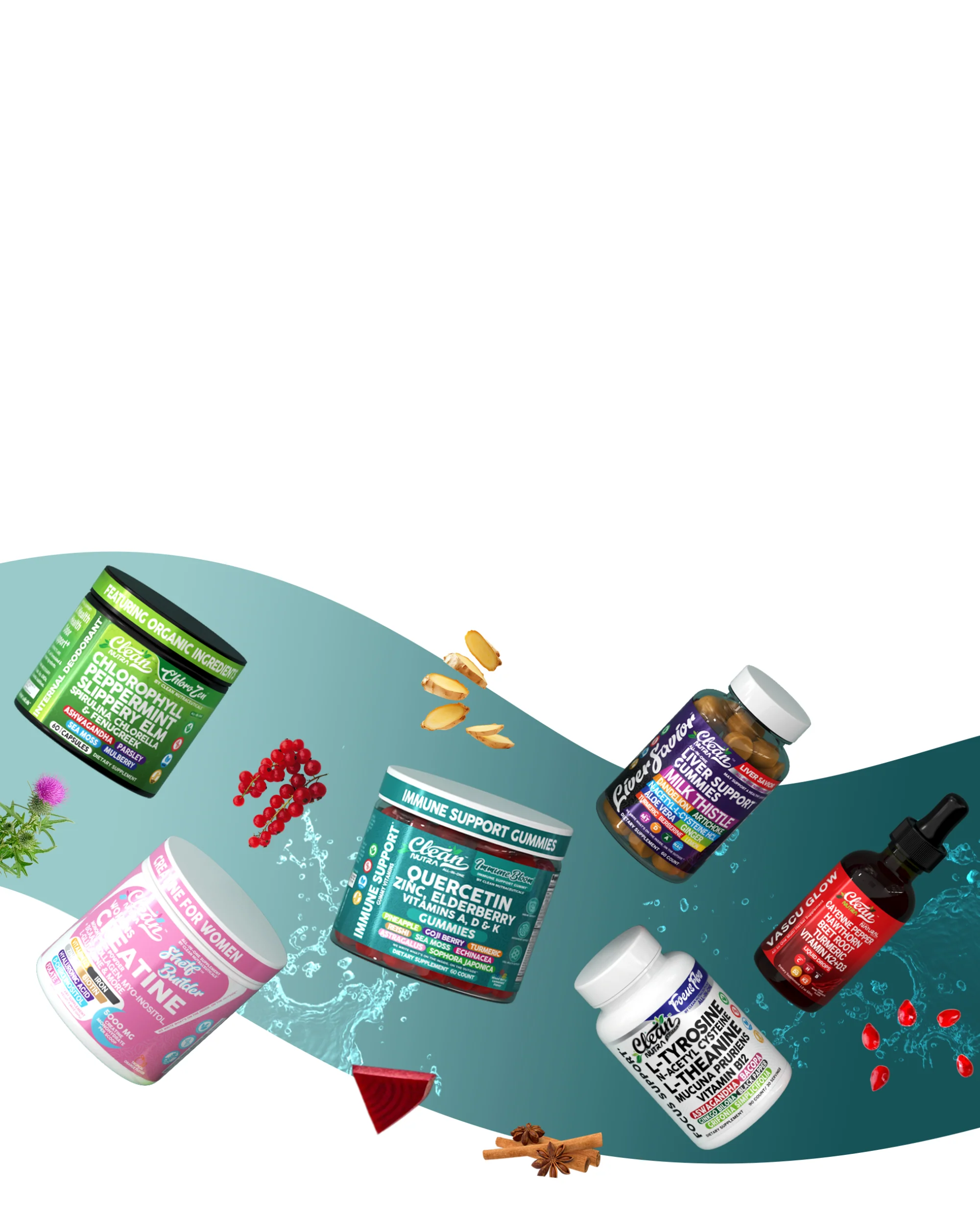
Brands like Clean Nutra have positioned themselves in the narrower "evidence-forward" segment, focusing on the actually-studied compounds at dosages that match the research, not homeopathic amounts sprinkled for marketing. This guide is for buyers who want to know what to actually take and what to skip.

The 5 supplements with the strongest evidence
These have credible research supporting real-world benefit for the general adult population:
- Vitamin D3. Deficiency is common (especially at higher latitudes), and supplementation at 1,000-2,000 IU daily has genuine bone, mood, and immune benefits. Cheap, safe, evidence-strong.
- Omega-3 (EPA + DHA from fish oil). Cardiovascular benefit at 1,000-2,000 mg daily EPA+DHA is well-established. Also reasonable evidence for mood and cognition.
- Magnesium (glycinate or citrate). Deficiency underdiagnosed. 200-400 mg daily helps sleep, muscle cramps, and constipation. Skip magnesium oxide (poor absorption).
- Creatine monohydrate. For anyone doing resistance training. Best-studied performance supplement, 5g daily, safe long-term.
- Protein powder. Not really a supplement, a convenient protein source. Useful if you struggle to hit 1.6-2.2g/kg body weight daily from food.
That's it. These five cover the vast majority of what actually moves the needle for most adults.
Supplements with modest evidence (worth considering for specific goals)
Second tier, some evidence, more targeted use cases:
- Zinc (short-term for immunity). Reduces cold duration slightly if started within 24 hours of symptoms.
- B12. Essential if vegetarian/vegan. Otherwise usually covered by diet.
- Collagen (for joints). Modest evidence for joint symptoms in older adults; skin claims are weak.
- Ashwagandha. Meaningful evidence for stress/cortisol; effect size moderate.
- L-theanine (with caffeine). Smooths caffeine jitters; genuinely helpful for some people.
Supplements with weak or no evidence (skip)
Regardless of what social media suggests:
- Multivitamins for general adults with a reasonable diet. No mortality benefit; may even slightly increase certain risks.
- Turmeric / curcumin. Poorly absorbed orally; most oral supplementation doesn't achieve therapeutic blood levels.
- Green tea extract capsules. Rare but real liver toxicity risk; drink the tea instead.
- BCAAs. If you eat enough total protein, BCAAs add nothing.
- Glutamine. Same story.
- Testosterone boosters (natural). No consistent evidence for the actives in these products.
- Detox / cleanse products. Your liver and kidneys handle detox; supplements don't.
- Nootropics (except caffeine and L-theanine). Most have thin evidence at consumer dosages.
Where Clean Nutra fits
The North American supplement retail category divides into three tiers:
- Mass-market drugstore brands (CVS, Walgreens store-brand): Cheap, often adequate on basic vitamins, iffy on specialty formulations.
- Mid-market credible brands (Clean Nutra, Now Foods, Thorne budget line, Life Extension): Third-party tested, dosages match research, reasonably priced.
- Premium clinical brands (Thorne premium, Pure Encapsulations, Momentous): Highest formulation and testing standards; expensive.
Clean Nutra sits in tier two, the sweet spot for most buyers. Third-party testing, reasonable prices, transparency on dosage.

What to look for on a supplement label
Concrete checks before buying:
- Third-party testing certification. USP, NSF, ConsumerLab, any of these on the label means someone verified the contents match the label. Without this, you're trusting the manufacturer's word.
- Actual dosage of the active. "Contains B12" doesn't tell you if it's 5 mcg (basically nothing) or 500 mcg (therapeutic). Read the label.
- Form matters. Magnesium glycinate absorbs 5-10x better than magnesium oxide. Methylcobalamin B12 works better than cyanocobalamin. Cheapest form on a label is often chosen because it's cheapest, not because it works.
- Skip proprietary blends. "Focus Blend 500mg" hides which ingredient is at what dose. Reputable brands list individual dosages.
- Check the expiration date. Fish oil especially can go rancid; a bottle sitting on the shelf for 2 years is not what you want.
The daily practical stack
For most healthy adults who exercise moderately:
- Vitamin D3: 1,000-2,000 IU (higher if you rarely see sun)
- Omega-3: 1,000-2,000 mg EPA+DHA
- Magnesium glycinate: 200-400 mg (evening)
- Creatine: 5g (if you lift)
- Protein powder: as needed to hit daily protein target
Total daily cost with a mid-market brand: 3.00. Not a lot.
When to skip supplements entirely
Two situations:
- You eat a genuinely varied diet with lots of vegetables, fatty fish, and reasonable sun exposure. You may need nothing except maybe vitamin D in winter.
- You're on medications with drug-nutrient interactions. Talk to a pharmacist before adding.
Verdict
The supplement category rewards skepticism. About 5 supplements have strong evidence for general benefit; another 5-8 have modest evidence for specific use cases; and the vast bulk of the market is marketed on hope rather than evidence. Buyers who work from that framework, buying tested products from evidence-forward brands like Clean Nutra at appropriate dosages, get most of the possible benefit at 20% of the average customer's spend. The rest is expensive urine.
Supplement evidence base and product availability reflect September 2026. Consult a healthcare provider before starting new supplements, especially if on medication.
Disclosure: affiliate link — we may earn a commission at no extra cost to you.
Want gear like this on your content calendar?
Join AffluencerHub, get AI-matched to brand programs that fit your audience, and track every click to commission in one place.
Apply as a Creator