
Sports nutrition is a category where the mainstream product design has taken a specific philosophical turn: sugar + maltodextrin + electrolytes + artificial flavour + preservatives + neon colour. It works, the body absorbs these fuels , but it's not the only way, and for a growing cohort of endurance athletes, it's not the preferred way. Brands like Veloforte have built a niche demonstrating that natural, whole-food sports nutrition can hit the same performance targets without artificial ingredients.
This guide is for cyclists, runners, and endurance athletes who want to understand what actually matters in mid-ride/mid-run nutrition, and where whole-food options fit.
The three fueling contexts and what each needs
Not all sports nutrition is the same. Three distinct contexts:
Under 90 minutes (short workout, easy pace):
- You have enough glycogen; you don't need fuel during.
- Water is sufficient.
- Post-workout: normal meal within 60-90 minutes.
90 minutes to 3 hours (typical long ride/run):
- 30-60g carbs per hour is the standard target.
- Electrolytes matter if hot conditions or heavy sweater.
- Mix of solid + liquid preferred (variety helps GI tolerance).
3+ hours (Gran Fondos, marathons, ultra events):
- 60-90g carbs per hour, sometimes up to 120g with dual-carb formulations.
- Sodium replacement critical.
- Real food starts to work better than pure gels for GI reasons.
The sugar-source question
The active debate in sports nutrition is about carb source:
Simple sugars (glucose, fructose, sucrose): Fast absorption, but glucose alone caps at ~60g/hour. Adding fructose in a 2:1 ratio enables absorption up to 90g/hour (dual-transporter mechanism).
Maltodextrin: Complex carb that breaks down into glucose quickly. Traditional in gels and drinks because it doesn't taste as sweet as pure sugar.
Natural sugar sources (honey, dates, fruit purée): Provides mix of glucose and fructose naturally. Similar performance to engineered options, with additional micronutrients and less digestive irritation for many athletes.
Where Veloforte-type brands lean: natural fruit + honey based formulations. Concrete example: a fig-based bar provides ~25g carbs from natural fruit sugars, same functional carb load as a gel, delivered from real food.
Where Veloforte fits
Three positioning notes:
- Whole-food formulations across the range. Bars use nuts, seeds, dried fruit, honey. Drinks use fruit powders and natural sweeteners. No artificial colours, no petrochemical-derived ingredients.
- Natural doesn't mean underdosed. Their bars hit real endurance-relevant carb targets (25-30g per bar). Their electrolyte drink mixes provide 400-600mg sodium, competitive with mainstream brands.
- GI tolerance is often better with natural ingredients. Many athletes who react to artificial sweeteners, colourings, or maltodextrin find whole-food bars/drinks easier on the gut during exercise.
The five product types you actually need
Simplifying the category:
- Carb drink mix (30-60g carbs / 1 bottle). Primary calorie delivery for longer efforts. One bottle per hour is standard.
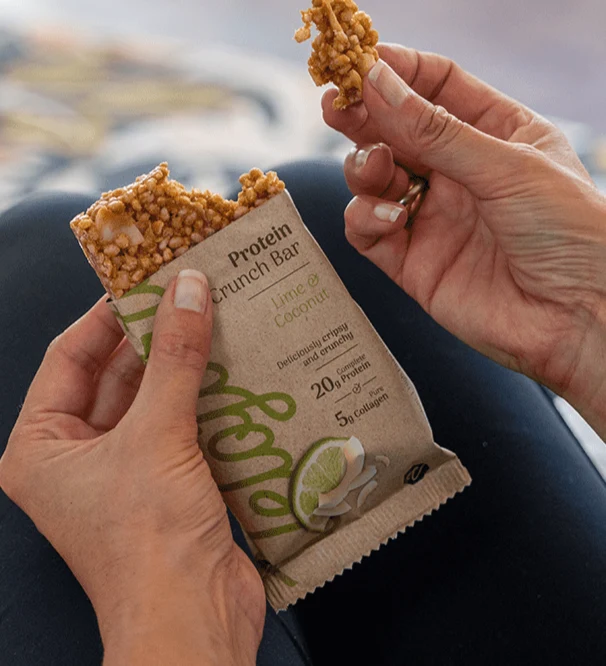
- Energy bars (25-40g carbs / bar). Solid food option. Better GI tolerance than pure gel for many athletes.
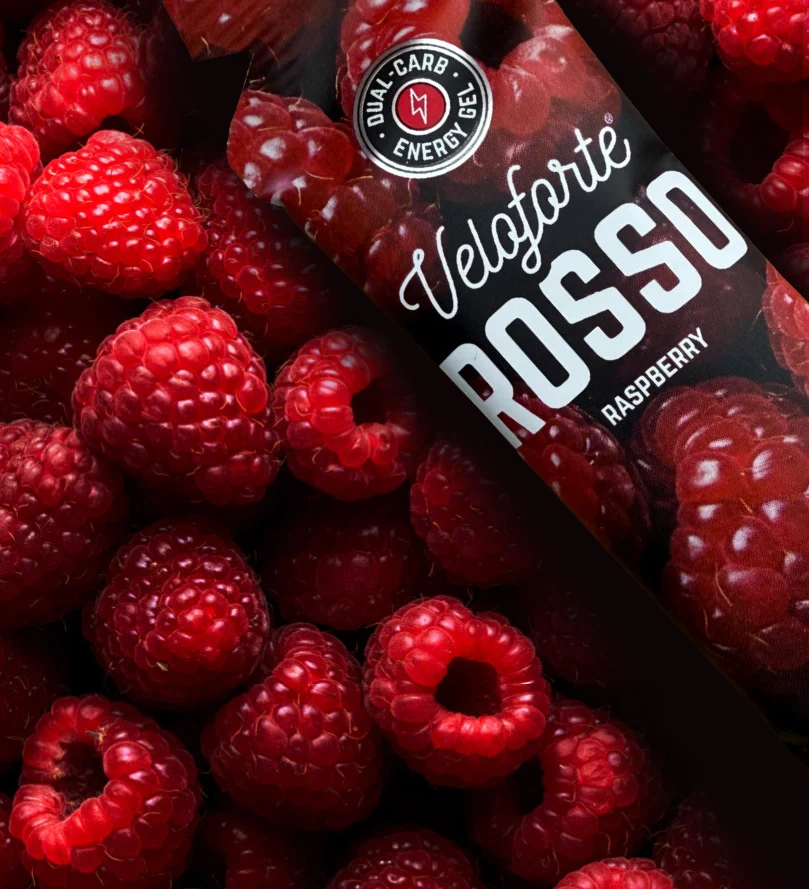
- Gels (20-30g carbs / gel). Fast, portable, concentrated. Best for late-race pushes when you can't chew.
- Electrolyte tablets or low-carb hydration. Salt replacement without carbs, useful for shorter workouts or as a supplement to your carb bottle.
- Recovery drink / protein. Post-workout, 20g protein + 40g carbs within 60 minutes of finishing.
Most amateur endurance athletes over-buy this category. If you only own one thing, own a decent carb drink mix.
The GI training principle
Here's the counterintuitive truth about endurance nutrition: your gut is trainable. Athletes who train race-day nutrition during training sessions can tolerate 90+g carbs/hour by race day. Athletes who only "eat carb-heavy during races" often fail to absorb what they consume, dumping calories they can't use.
Practical implication: use race-day nutrition during long training rides/runs, not just races. Test the specific bars and drinks you plan to use, in the specific quantities, in the specific timing pattern.
What "natural" really buys you in this category
Three genuine benefits:
- Reduced GI issues for sensitive stomachs. The 20% of endurance athletes who cramp/bonk on mainstream gels often do fine with fruit-based bars.
- Micronutrient content beyond just carbs. Antioxidants, some minerals, small amounts of protein from nuts. Not the primary reason to choose, but a nice bonus.
- Palatability over long events. After 4 hours of maltodextrin drinks, most athletes cannot look at another gel. Natural bar variety helps.
What natural doesn't buy: better performance in a functional sense at the same carb load. Physics is physics; grams of usable carbs are what matter.
Practical fueling checklist for a long event
Race-morning framework for a 3-4 hour effort:
- Breakfast (3-4h before): Real food, moderate portion, familiar. Not the day to experiment.
- 30-45 min before start: 30g carbs (banana, gel, or bar) + coffee.
- Every hour on the bike/run: 60-90g carbs from combination of drink + bar/gel. Sip constantly, don't wait until thirsty.
- Every 2 hours: 400-600mg sodium (via bottle mix or salt tab).
- Last 30 min of effort: Switch to easier-to-digest carbs (drinks or gels, not bars).
- Within 60 min of finish: 20g protein + 40g carbs for recovery.
Verdict
The sports nutrition category has quietly widened, mainstream brands still work, but natural whole-food brands like Veloforte offer a legitimate alternative for athletes who prefer real ingredients or who don't tolerate synthetic formulations. Performance-wise, natural options can hit the same carb-per-hour targets; the differentiator is GI tolerance and palatability over long events. Train with what you'll race with, hit your carb targets consistently, and don't over-buy the category, three good products are enough.
Product formulations, carb dosing recommendations, and pricing reflect September 2026. Consult a sports nutritionist for personalised race-day nutrition planning.
Disclosure: affiliate link — we may earn a commission at no extra cost to you.
Want gear like this on your content calendar?
Join AffluencerHub, get AI-matched to brand programs that fit your audience, and track every click to commission in one place.
Apply as a Creator