
Motorcycle gear is one of the few consumer categories where the wrong purchase can literally cost you your skin. Yet the market is full of style-driven marketing that obscures what actually keeps you safe. This guide is for riders, new, experienced, or upgrading , who want to understand what makes gear protective versus what's just aesthetics.
Multi-brand retailers like FC-Moto have made access to European safety-certified gear substantially easier for riders across the continent, including riders in Poland, Germany, and beyond.
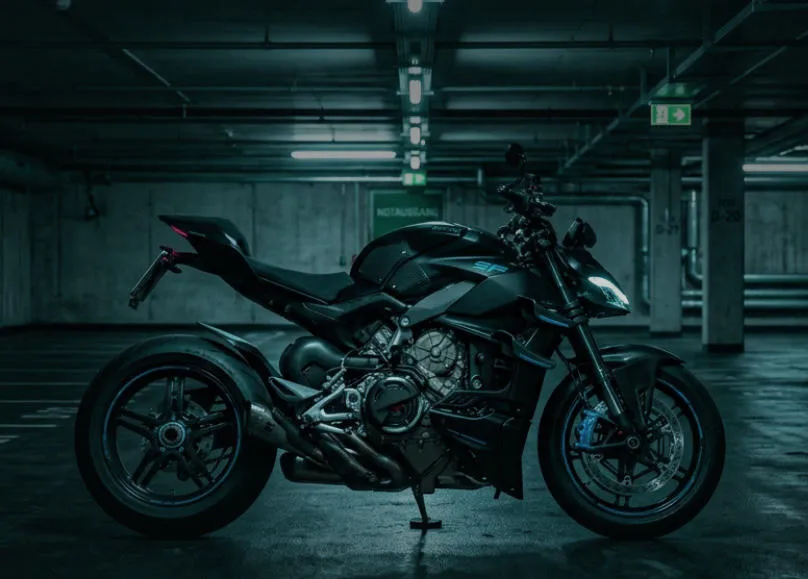
The five gear categories and their protection priorities
Not all gear matters equally. In order of protection value per dollar:
- Helmet. Non-negotiable. A quality DOT + ECE 22.06 helmet (500) is the single highest-value safety purchase. Cheap helmets fail crash tests. Do not compromise on helmet quality.
- Riding jacket with armor. CE Level 1 or Level 2 armor at shoulders, elbows, and back. Abrasion-resistant materials (leather, Cordura, Kevlar-blend textiles). A serious crash without a jacket = severe road rash, potential permanent nerve damage.
- Riding pants with armor. CE armor at knees and hips. Reinforced fabric. Riders often skip this "for comfort", a mistake. Lower-body road rash is the most common serious injury.
- Riding boots. Ankle protection, oil-resistant sole, shift pad. Cheap sneakers fail in crashes and mid-shift.
- Riding gloves. Palm sliders, knuckle protection, wrist enclosure. Hands are the first thing to hit pavement in most falls.
Every piece matters. Cheap gear in any category = increased injury risk.
What does NOT matter (despite marketing)
- Brand prestige. Alpinestars is famous, but their entry-level gear is fine, not superior. What matters is CE certification and construction quality, not the logo.
- Racing-only features on street gear. Elbow sliders are cool, but if you're not knee-dragging, they're just weight.
- Extreme color coordination. Match if you like; don't pay extra for it.
- Excessive vent count. More vents = more airflow but potentially reduced abrasion resistance where vents are placed. Balance matters more than count.
- Removable liners marketing. Almost every mid-range jacket has removable liners. Not a differentiator.
Where FC-Moto fits in the European market
FC-Moto is one of Europe's larger motorcycle gear retailers, based in Germany with pan-European shipping:
- Multi-brand selection. Carries all major brands. Alpinestars, Dainese, Rev'It, Klim, Shark, HJC, AGV, Arai, and many more. Rare to not find what you want.
- Wide price range. From budget-friendly to premium, a rider on any budget finds appropriate gear.
- European sizing and certification. All gear listed with CE ratings clearly, so you know what protection you're buying.
- Pan-European delivery. Ships to Poland, Germany, Netherlands, and most European countries with reasonable delivery times.
- Regular sales cycles. Multi-brand retailer means access to closeouts, previous-year gear at meaningful discounts.
The four tiers of motorcycle gear in 2026
Understanding where each fits:
Tier 1: Budget (starting rider, first year). Total gear budget €400-€700.
- Helmet: €150-€250 (ECE 22.06 certified budget brands)
- Jacket + pants: €150-€300
- Boots: €80-€130
- Gloves: €40-€60
- Adequate for a beginning rider. Upgrade as skills and commitment grow.
Tier 2: Mid (regular rider, 1-3 years experience). Total €800-€1,500.
- Helmet: €300-€450
- Jacket + pants: €400-€700 (proper armor, quality construction)
- Boots: €150-€250
- Gloves: €80-€120
- Sweet spot for the majority of riders.
Tier 3: Advanced (serious rider, track days, long tours). €1,500-€3,000.
- Helmet: €500-€800
- Jacket + pants: €800-€1,500 (leather 2-piece or premium textile)
- Boots: €300-€400
- Gloves: €150-€250
- For riders who spend significant time on the bike or push performance.
Tier 4: Professional/Track (racing, coaching, ultra-serious touring). €3,000+.
- Custom or top-tier gear, often bespoke.
- Diminishing returns for street use, but justified for racing.
For most riders, Tier 2 is the correct target. Tier 1 is fine for the first year while you decide whether motorcycling is a long-term commitment. Tier 3+ makes sense once you're clearly committed.
Configuration decisions that matter
Full-face vs modular helmet?Full-face: safer, quieter, lighter. Modular: convenient for stops, slight safety compromise. For pure street riding, full-face is the safer choice.
Textile vs leather jacket?Leather: better abrasion resistance, ages beautifully, hot in summer. Textile: more versatile weather protection, lighter in heat. For year-round riding, textile with removable liner. For dedicated summer/sport riding, leather.
One-piece vs two-piece suit?One-piece: track use, maximum protection. Two-piece: street versatility, wear jacket separately. For street riding, two-piece.
Waterproof or not?Waterproof adds €100-€300 to jacket/pant cost. Worth it if you commute in variable weather. Skip if you only ride on sunny days.
Ventilation for hot climates?Look for jackets with actual vent zippers, not just marketing "breathability." Vents that open/close as needed are essential in hot Polish summers.
The lifecycle economics
Cheap gear (1,200 total): 5-8 years of use with typical wear. Premium gear ($2,500 total): 10+ years, often outlasts the motorcycle.
Cost per year: Mid-tier is roughly equivalent to cheap gear replaced twice. Premium is roughly equivalent to mid-tier + upgrade cycle. Buy mid-tier for the best long-term economics, cheap is false economy.
Practical checklist before ordering
- Confirm your size accurately. Motorcycle sizing varies by brand. Read reviews for fit notes on your specific model.
- Verify CE certification of armor. Level 1 minimum, Level 2 preferred.
- Confirm helmet certification. ECE 22.06 for Europe (or DOT for US).
- Try before buying if possible. For helmets especially, physical fit matters more than brand.
- Check return / exchange policy. Sizing issues are common; know your options.
- Read authentic reviews. Fake reviews are prevalent; look for detailed multi-photo reviews with fit notes.
- Consider layering options. Winter gear vs summer gear is often different. Plan seasons ahead.
The unnecessary purchase to avoid
Don't buy fancy carbon-fiber helmet unless you're doing track days. For street use, a mid-tier ECE 22.06 helmet from a reputable brand (400) offers 95% of the safety of a $700 model.
Don't buy leather suit for commuting. It's overkill and you'll be uncomfortable. Save leather for weekend/sport rides.
Don't skip pants. This is the most-skipped item ("I'll just wear jeans") and the most-regretted after a crash.
Verdict
Motorcycle gear is a category where the "cheap is expensive" principle applies most sharply. A mid-tier setup from a multi-brand retailer like FC-Moto, quality helmet, CE-armored jacket and pants, proper boots and gloves , is the ideal balance of protection, comfort, and cost. Prioritize CE certification and construction over brand and aesthetics. Don't skip pants. Replace helmet every 5 years or after any crash. Ride like your gear is the only thing between you and the pavement, because it is.
Gear specs, brand availability, and pricing reflect the European motorcycle market in September 2026. Confirm current details before ordering.
Disclosure: affiliate link — we may earn a commission at no extra cost to you.
Want gear like this on your content calendar?
Join AffluencerHub, get AI-matched to brand programs that fit your audience, and track every click to commission in one place.
Apply as a Creator