
Maternity fashion is a category where the wrong buying strategy can waste hundreds of dollars, clothes worn for a few weeks, then never again. Or the right strategy can carry you through pregnancy and into postpartum comfortably, cheaply, and looking good the whole time. This guide is for expecting mothers who want to invest wisely rather than accumulate a wardrobe of one-time wear.
Specialty maternity retailers like PinkBlush Maternity have made curated pregnancy wardrobes accessible without the boutique pricing that used to define the category.
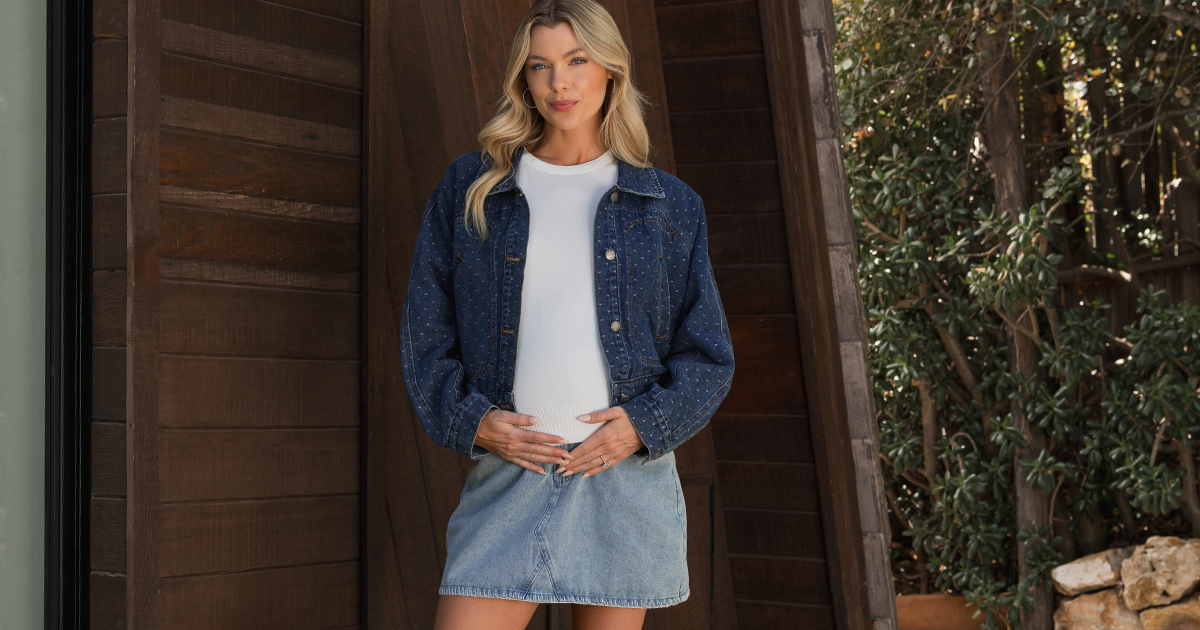
The seven maternity pieces that actually earn their money
Not all maternity clothes are worth buying. The ones you'll actually wear repeatedly:
- Two pairs of maternity jeans (one darker, one lighter). The over-belly panel matters, full panel supports better in third trimester. Skip the under-belly styles unless you're only mid-pregnancy.
- Three to four maternity tops in your everyday color palette. Ruched sides, wrap tops, and empire waists work through all trimesters. Skip novelty prints, you'll wear these too much to want variety.
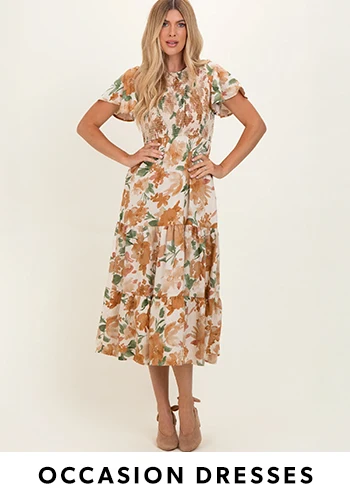
- One dress for events (baby shower, work events, dinners). Wrap dresses and empire-waist styles are most forgiving. Pick a color you can accessorize.
- Maternity leggings. Live in these in third trimester. Two pairs (one black, one gray or navy) covers most needs.
- Nursing-compatible tops for late pregnancy and postpartum. Look for tops with side openings or crossover styles that work for both bump and nursing.
- A supportive bra (or two). Your bra size will change 3-4 times through pregnancy and nursing. Get a well-fitted one for each phase, don't try to make one size work for months of change.
- One comfortable but "put-together" outfit for photos. You'll take more photos than you expect. Have one outfit that photographs well.
Everything else is bonus.
What does NOT matter (despite marketing)
- Cute pregnancy sayings on shirts. Wear once maybe. Cost per wear is astronomical.
- Formal maternity wear. Unless you have a wedding to attend, rent instead of buy. Formal maternity = worn once, kept forever.
- Maternity workout gear beyond one basic outfit. You can often size up in regular activewear.
- Underwire nursing bras. Wireless nursing bras are far more comfortable for daily wear.
- Trendy statement pieces. Fashion trends change; pregnancy is 9 months.
Where PinkBlush Maternity fits
PinkBlush is a specialty maternity retailer with a specific positioning:
- Feminine and versatile aesthetic. Focus on flattering silhouettes across trimesters, wrap dresses, empire waists, ruched styles that grow with the bump.
- Direct-to-consumer pricing. More affordable than boutique maternity, still with quality construction.
- Range from casual to event dressing. Everyday tops through baby shower and wedding-guest dresses in one place.
- Inclusive sizing. Petite to plus-size options.
- Nursing-friendly styles. Many pieces work through pregnancy AND nursing, doubling their useful life.
The four phases of pregnancy dressing
Understanding what each trimester needs helps you buy correctly:
Phase 1: Early pregnancy (weeks 1-12).
- Most regular clothes still fit, though jeans may pinch.
- Buy: Belly band (allows you to keep wearing regular jeans unzipped).
- Skip: Full maternity wardrobe, you don't need it yet.
Phase 2: Second trimester (weeks 13-27).
- Bump becoming visible; regular tops getting tight; regular jeans no longer work.
- Buy: 2-3 maternity tops, first pair of maternity jeans.
- Skip: Late-stage-only pieces (extra-stretchy leggings).
Phase 3: Third trimester (weeks 28-40).
- Bump full-size; support and stretch matter most.
- Buy: Second pair of jeans, leggings, comfortable dresses, nursing bras.
- Skip: Non-stretchy structured pieces.
Phase 4: Postpartum (first 3 months).
- Body still recovering; nursing (if breastfeeding).
- Buy: Nursing-friendly tops, comfortable stretchy pants.
- Skip: Trying to fit into pre-pregnancy jeans immediately.
Buying phase by phase avoids over-purchasing for phases that don't happen (some women hardly need a Phase 3 wardrobe if their pregnancy is short or they're comfortable in loose regular clothes).
Configuration decisions that matter
Buy new or borrow/thrift?Mix. Buy the essentials new for comfort and fit; borrow special-occasion pieces if you have friends with similar sizing. Thrift stores often have unworn maternity pieces at 30% of retail.
Cheap or mid-tier quality?Mid-tier lasts through pregnancy AND resale, whereas cheap often falls apart mid-pregnancy. For core pieces (jeans, favorite tops), mid-tier is worth it.
Neutral colors or bright?Neutrals are more versatile. If your regular wardrobe is bright, incorporate one or two colors you love; don't try to build a color-varied maternity wardrobe unless you have a very long pregnancy or multiple pregnancies planned.
How many pieces total?20-30 pieces is plenty for most women. Overbuying is the classic pregnancy shopping mistake.
The lifecycle economics
Overbuying strategy: 50+ maternity pieces × 50 each = 2,500 spent, most worn 2-5 times.
Strategic buying: 20-25 essential pieces × 50 = 1,250, most worn 30+ times.
Resale strategy: Mid-tier pieces retain 40-60% value; can sell after pregnancy for 500 recovery.
Net cost with strategic buying + resale: 800 for 9+ months of comfortable wear. Compared to $2,000+ over-buying with $200 resale = $1,800 loss.
Practical checklist before shopping
- Take stock of what you have. Loose tops, stretchy dresses, much regular wardrobe can extend into early-mid pregnancy.
- Identify your "uniform." What silhouettes do you actually wear? Buy maternity versions of those, not aspirational new styles.
- Buy in phases. Don't buy 3rd-trimester clothes at week 12. Your body will change; needs will clarify.
- Read sizing reviews carefully. Maternity sizing is inconsistent; a "small" in one brand is "medium" in another.
- Buy machine-washable. Pregnancy is not the time for dry-clean-only.
- Consider nursing-compatible styles. Doubling wear life through postpartum reduces total spend.
- Save receipts. Return anything that doesn't fit, don't stuff into "maybe it'll fit later" pile.
The trap to avoid
Don't buy an "entire pregnancy wardrobe" in month 3 or 4. You don't know:
- How much your bump will grow (varies enormously).
- What styles you'll actually reach for (vs. imagining you'll reach for).
- Whether you'll want to nurse (affects postpartum clothing needs).
- How long your pregnancy will run (affects total wardrobe needed).
Buy in installments. Reassess needs each month.
The one splurge worth making
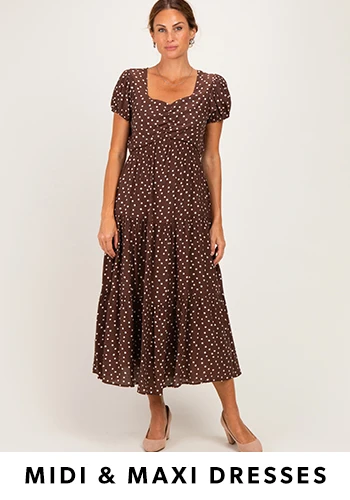
For most women, the one item worth spending on is a well-cut wrap dress or shirt-dress in a color you love. It photographs well, works for events, transitions from pregnancy to nursing, and often becomes a wardrobe favorite even after pregnancy. Everything else can be more modest, but this one item can genuinely be a signature piece.
Verdict
Building a smart maternity wardrobe in 2026 is about strategic buying rather than accumulation. Retailers like PinkBlush Maternity make quality, feminine, and versatile pieces accessible at reasonable prices, enabling the "20-30 pieces, worn many times" approach rather than the "everything I might need" over-purchasing. Buy in phases. Prioritize versatile silhouettes. Choose colors you'll photograph well in. Consider nursing compatibility. And remember: pregnancy is 9 months. You don't need to buy for 40 years.
Maternity styles, sizing, and pricing reflect September 2026. Confirm current details before ordering.
Disclosure: affiliate link — we may earn a commission at no extra cost to you.
Want gear like this on your content calendar?
Join AffluencerHub, get AI-matched to brand programs that fit your audience, and track every click to commission in one place.
Apply as a Creator