
The word "natural" in cosmetics has been diluted into meaninglessness, some products claim it when 3% of ingredients are plant-derived; others when the packaging is green. This guide unpacks what actually makes a product natural, when it matters, and where brands like Faith In Nature have kept a defensible standard while others drifted.
Faith In Nature was founded in 1974 in the UK, long before "natural cosmetics" was a marketing category. That heritage matters: the formulation standard is baked in, not layered on for a rebrand.
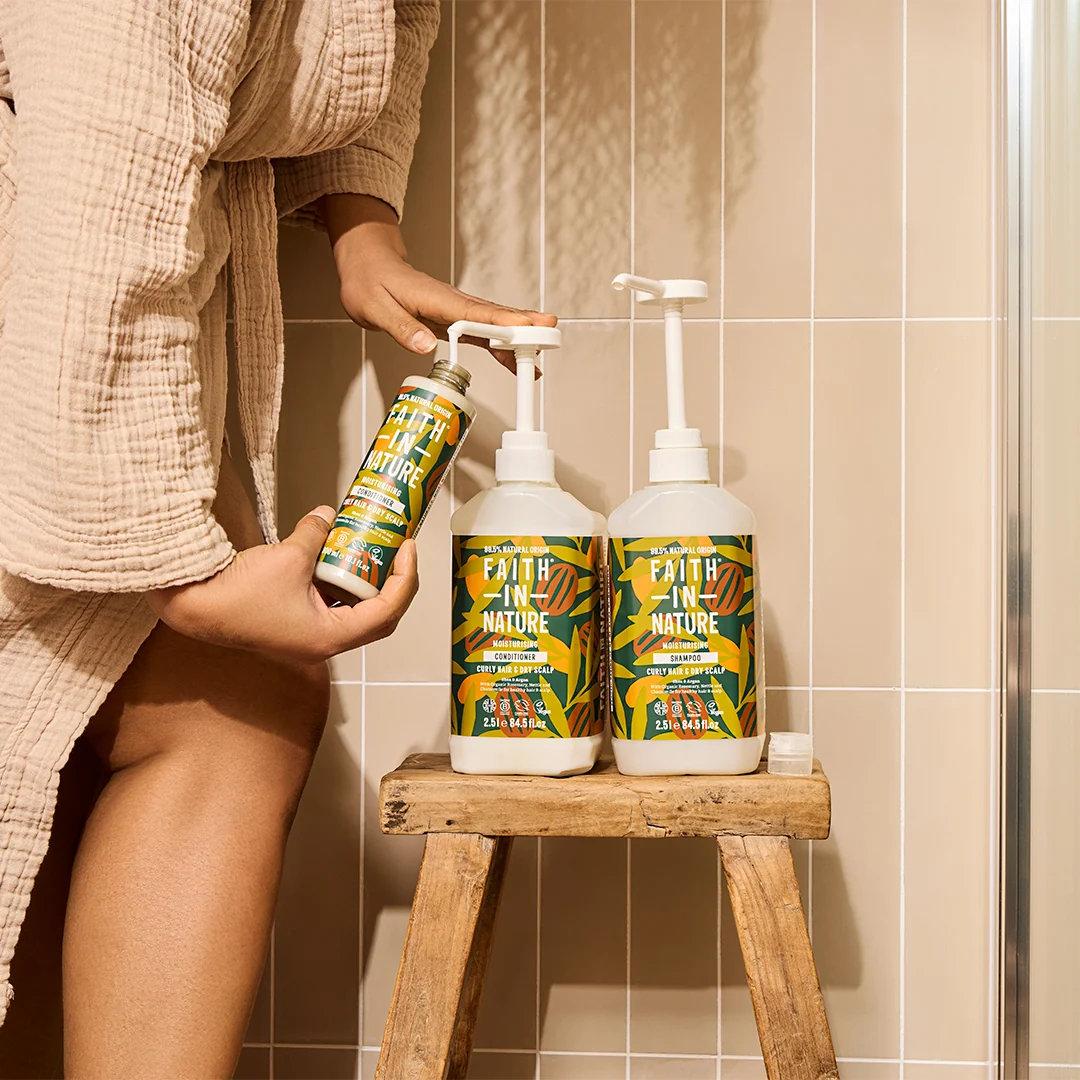
What "natural" actually should mean in 2026
There is no legal UK definition of "natural" in cosmetics. But industry consensus (COSMOS, Ecocert, Soil Association) settles on four principles:
- Plant-derived, mineral, or fermented ingredients as the base, not petroleum-derived.
- Certified organic where feasible (typically 20-70% of the formulation).
- No parabens, phthalates, SLS/SLES, synthetic fragrance, or petrochemicals in significant concentrations.
- Biodegradable finished formula, matters especially for wash-off products (shampoo, shower gel).
Most drugstore "naturals" fail on 3 of 4. True natural brands hit all four.
Where Faith In Nature sits
Three things distinguish them from the crowd:
- Genuinely natural ingredient decks. Not "contains aloe" with a 5% plant content in an otherwise-synthetic base, actual plant-derived surfactants and emollients throughout. Their shampoo lineup was one of the earliest UK examples of SLS-free formulations that lathered acceptably.
- Vegan across the range. All products, always. No selective "some are vegan" cherry-picking.
- Refill and packaging emphasis. Refill stations in Holland & Barrett and similar outlets, bulk sizes for reduced plastic. Not a fig-leaf gesture, a structural product decision.
- 50-year continuous operation. They've been doing this since 1974. That kind of track record can't be manufactured by a 2023 rebrand.
The five categories where "natural" matters most
Not all cosmetic categories are equal in terms of what your skin/hair actually absorbs. Prioritise natural where it makes a difference:
High priority for natural:
- Shampoo (large surface area, prolonged exposure).
- Body wash (same reasoning).
- Facial cleanser (absorbs into skin barrier).
- Body lotion / hand cream (leave-on, daily use).
Medium priority:
- Deodorant (armpit skin is highly absorbent).
- Toothpaste (mucosal absorption).
Lower priority (mainly cosmetic / aesthetic):
- Nail polish (synthetic is fine).
- Eye makeup (large percentage water and pigment; naturals rarely perform better).
If you want to convert your bathroom to "natural" gradually, start with shampoo/body wash, biggest impact, easiest to switch, cost differential is minimal for brands like Faith In Nature (£4-£8 range).

What natural cosmetics can and cannot do
Realistic expectations:
- Gentler on sensitive skin? Often yes, but not universally.
- Environmentally better through the supply chain? Generally yes, particularly for the wash-off categories.
- "Chemical-free"? No. Every ingredient is a chemical. The question is which chemicals.
- Free from allergens? No. Essential oils are natural and among the most common contact allergens. Patch test.
Where synthetic still wins:
- Very-long-shelf-life formulations (some naturals go rancid faster).
- Certain sunscreen filters (chemical UV filters like avobenzone have no direct natural equivalent that performs the same way, though mineral zinc/titanium is genuinely competitive).
- Some clinical-grade actives (retinoids, high-percentage AHA/BHA) are synthesised for consistency; there is no natural equivalent at the same efficacy.
The five-shift home swap
Practical, in order of impact:
- Swap shampoo and conditioner first. Immediate impact, no adjustment period. Faith In Nature's £6 shampoo range is the classic starting point.
- Swap body wash and hand soap next. Even lower cost differential.
- Face cleanser third, but read reviews for your skin type; some naturals are too gentle for oily/acneic skin.
- Deodorant fourth (adjustment period 2-3 weeks is normal, your armpit microbiome resets).
- Body lotion and hand cream last, usually the easiest swap because performance is comparable.
Skip trying to do all five in one shopping trip. Sequential swaps are more sustainable and let you evaluate each product.
Practical shopping checklist
Before you buy:
- Read the INCI list. First 5-8 ingredients matter most. If SLS/SLES, parabens, or "fragrance" (unqualified) appear high, question the "natural" claim.
- Check certifications. COSMOS Organic, Soil Association, Vegan Society, Leaping Bunny, these are audited standards, not brand claims.
- Look for refill options. Brands doing this well are typically serious about the sustainability piece.
- Adjust expectations on lather. Sulfate-free products lather less. This is a formulation reality, not a product defect.
Verdict
The natural cosmetics category has real substance underneath the marketing noise, and brands with a long, consistent track record, Faith In Nature is one of the clearest examples, offer a defensible way to shift a bathroom towards genuinely plant-based formulations without the aesthetic tax that boutique brands add. Start with shampoo and body wash, evaluate over 4-6 weeks, and expand selectively into categories where natural offers real benefit.
Ingredient standards, certifications, and pricing reflect the September 2026 UK natural cosmetics market. Verify current formulations on labels before use.
Disclosure: affiliate link — we may earn a commission at no extra cost to you.
Want gear like this on your content calendar?
Join AffluencerHub, get AI-matched to brand programs that fit your audience, and track every click to commission in one place.
Apply as a Creator