
Few beauty brands generate as much confident misinformation as the viral ones, and rhode is squarely in that group. Somewhere between the TikTok demos and the comment sections, a set of half-truths has hardened into "facts." Let's take them apart one at a time, with a little of the science behind them, so you can decide what to buy based on how these products actually work rather than what a caption promised.
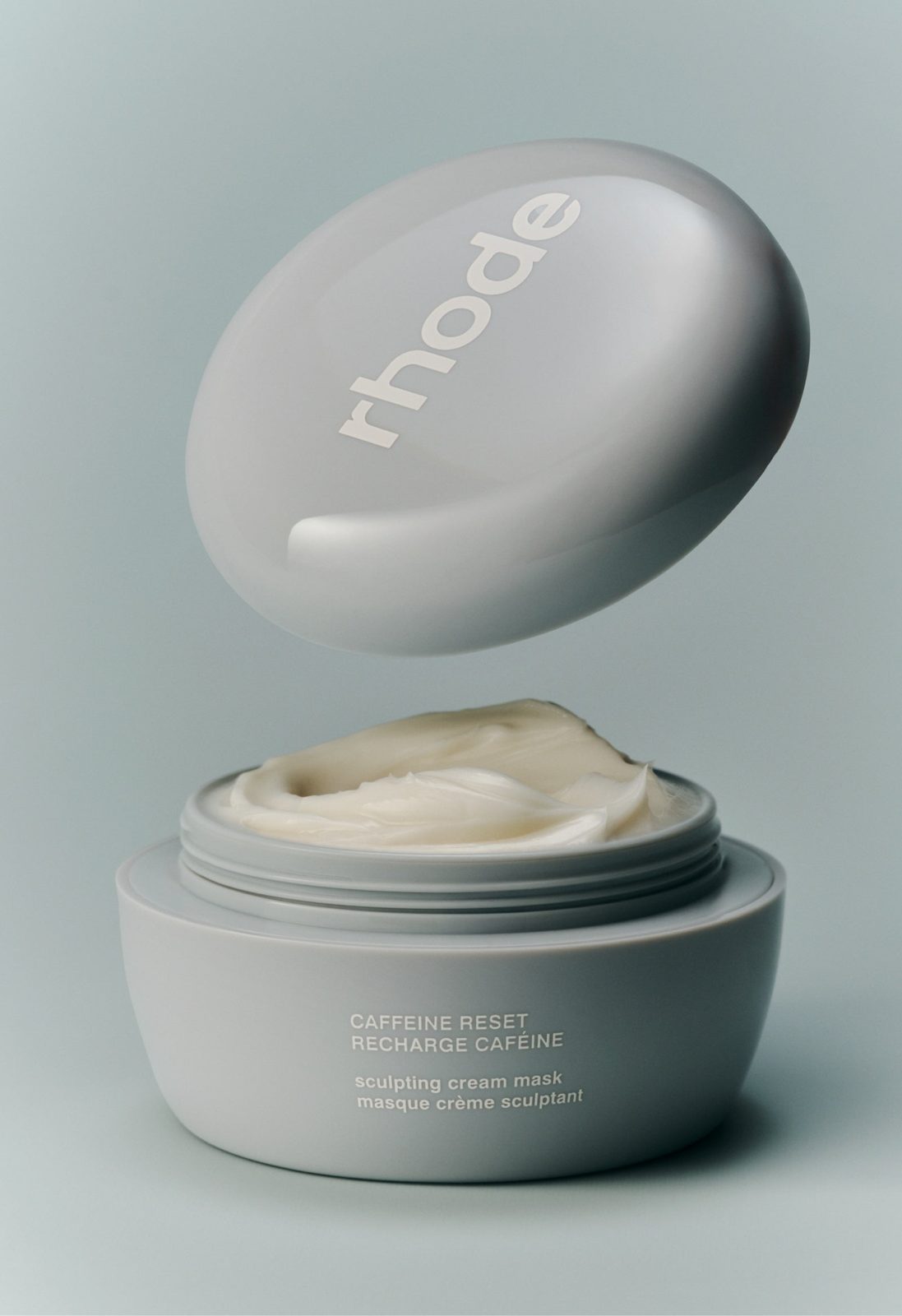
01Myth 1: "Peptides rebuild your skin like a treatment"
This is the big one. Peptides are short chains of amino acids, and in skincare they're generally used as supportive, well-tolerated cosmetic ingredients that help skin look hydrated, smooth, and healthy. That's a meaningful cosmetic benefit. It is not a medical treatment, and rhode, to its credit, positions its formulas around barrier support and a healthy-looking glow rather than clinical cure-language.
The reality: a peptide serum can make skin look plumper and feel more comfortable. Expect an improved appearance and feel with consistent use, not a structural overhaul. If a claim sounds medical, be skeptical, whatever the brand.
02Myth 2: "The glazed look means more product, more layers"
The opposite is usually true. The "glazed skin" effect rhode is known for comes from well-hydrated skin catching light, not from piling on serums. Over-layering is the single most common reason people's routines pill, slide, or turn greasy by afternoon.
The reality: hydration plus a healthy barrier creates the glow. That's why the Glazing Milk and a good moisturizer do more heavy lifting than any single "glow" step. Thin layers on damp skin beat thick layers every time.
03Myth 3: "rhode is only for young skin"
This one gets repeated because the brand's marketing skews youthful. But the ingredient logic (hydration, barrier support, comfortable textures) applies at any age. The makeup artists quoted by InStyle happily use the line across a wide age range, including on much older skin.
The reality: skin type matters more than age. Normal-to-dry skin tends to love these textures. Very oily skin should cherry-pick the lighter steps. Your birth year isn't the deciding factor.
04Myth 4: "The lip treatment plumps your lips permanently"
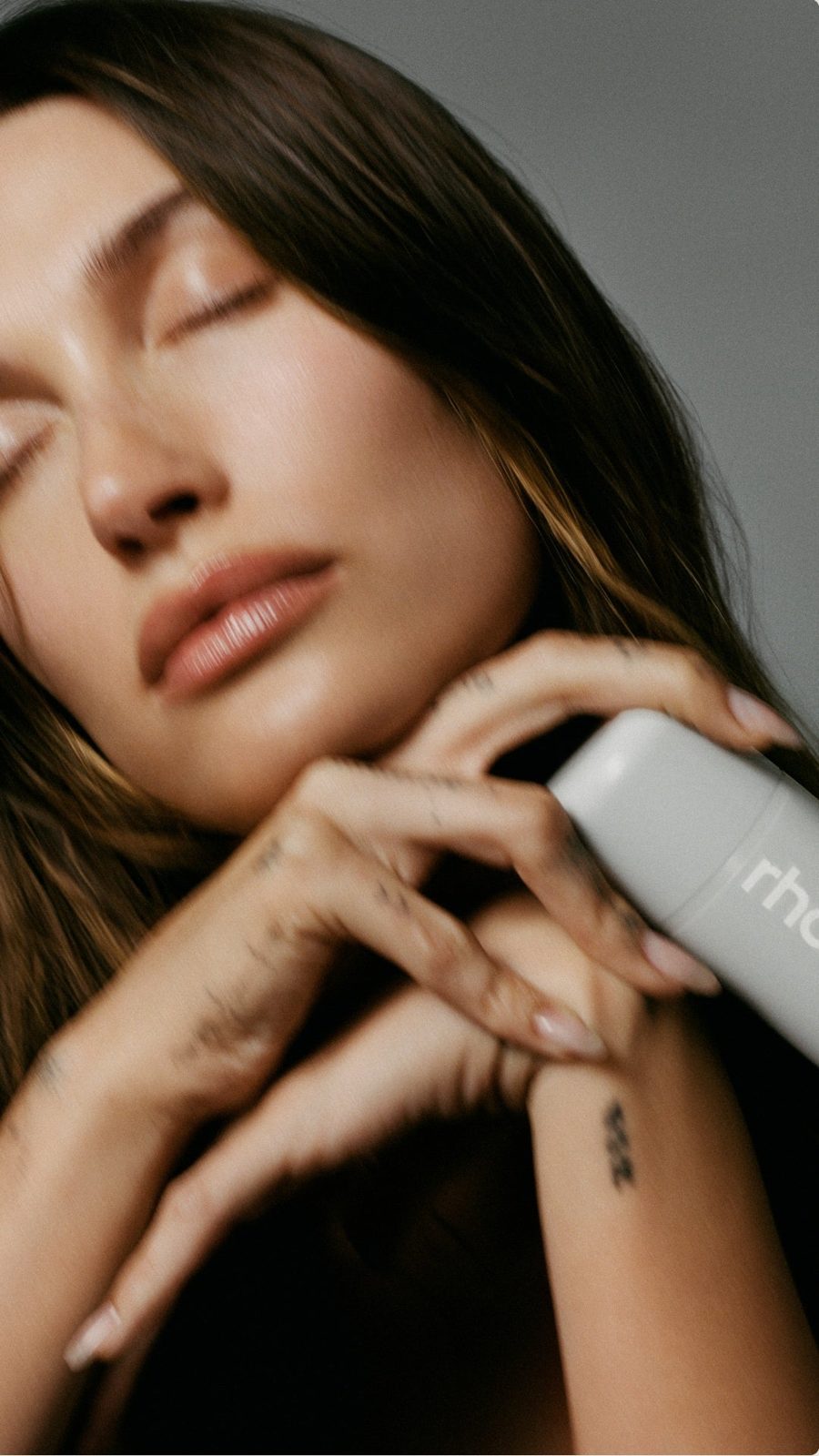
The Peptide Lip Treatment gives a glossy, cushiony, comfortable finish that many people describe, as Byrdie did, as "plump, pillowy." That's a cosmetic, temporary look-and-feel from conditioning and shine. It is not a filler and it doesn't change lip structure.
The reality: it's an excellent, comfortable lip conditioner. Buy it because it feels good and looks glossy, not because you expect a lasting change in lip size.
05Myth 5: "Natural glow means you can skip sunscreen"
Nothing in a dewy routine protects you from UV. This myth is genuinely risky. A glazed finish is purely cosmetic; sun protection is the actual anti-aging step, and it's separate.
The reality: sunscreen every morning, over your rhode steps, full stop. The lightweight textures were made to layer under SPF comfortably, so there's no excuse to skip it.
06Myth 6: "If it's from a celebrity brand, the formula must be an afterthought"
This assumption is fair given how many celebrity lines are licensing deals with little substance behind them. But it's worth checking case by case rather than assuming. rhode's formulas were developed with a cosmetic chemist and a dermatologist, and the ingredient lists lean on established, well-studied cosmetic staples rather than novelty gimmicks. That doesn't make the products magic, and it doesn't mean they'll suit everyone. It simply means "celebrity brand" isn't, on its own, a reason to dismiss the formulation.
The reality: judge the ingredient list and how the product performs on your skin, not the name on the tube. Some celebrity lines are hollow; the fix is to read the label, not to write off the whole category.
Choosing based on what's true
Once you strip away the myths, picking becomes simple. Buy for hydration, comfort, and a healthy-looking glow, and match the product to your skin type.
| If you want... | Reach for | Approx. price |
|---|---|---|
| A hydrating, glow-giving first step | Glazing Milk | ~$28 |
| Barrier comfort for dry or winter skin | Barrier Restore Cream | ~$30 |
| A glossy, cushiony lip finish | Peptide Lip Treatment | ~$18–20 |
| Dewy glow under makeup | Peptide Glazing Fluid | ~$32 |
The full, current catalog is on rhode's site if you want to match products to your own skin type.
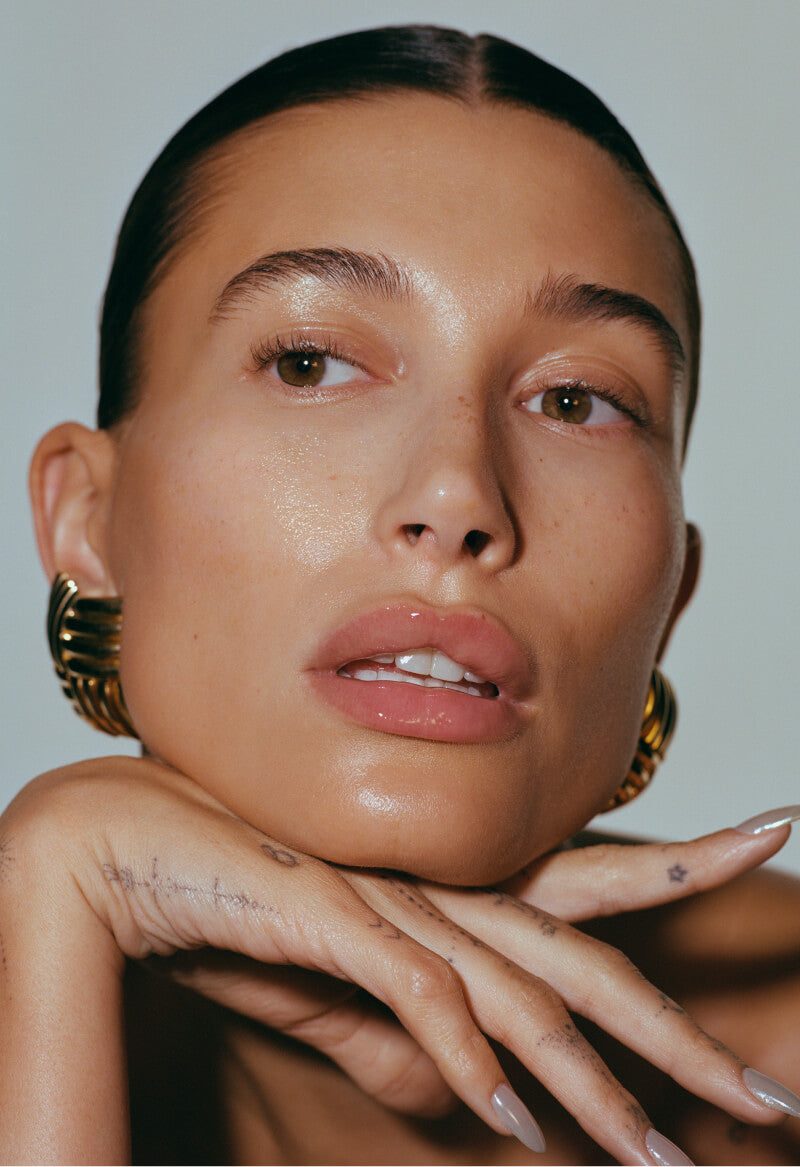
rhode — myths off, ingredients on
Buy for hydration, comfort and a healthy-looking glow. Match the product to your skin type, layer thin, and never skip sunscreen — no matter how dewy the finish.
🧴 Minimalist peptide skincare · individual products run ~$18–$38 · founded 2022 by Hailey Bieber. Affiliate link — we may earn a commission at no extra cost to you.
FAQ
Do peptides actually work in skincare? As cosmetic ingredients, they're well tolerated and help skin look hydrated and smooth. Think improved appearance and comfort, not a medical result.
Is rhode good for mature skin? Yes, if your skin likes hydrating, barrier-supportive textures. Skin type matters more than age.
Does the lip treatment change lip size? No. It gives a temporary glossy, cushiony look and feel. It's a conditioner, not a filler.
Can I skip sunscreen if my skin looks dewy? Never. A glazed finish offers no sun protection. Apply broad-spectrum SPF every morning over your routine.
Is more product better for the glazed look? No. The glow comes from hydration and a healthy barrier. Thin layers on damp skin work best.
Want gear like this on your content calendar?
Join AffluencerHub, get AI-matched to brand programs that fit your audience, and track every click to commission in one place.
Apply as a Creator