
Three aviators with real pilot pedigree, compared honestly for people who plan to keep them.
TL;DR: Ray-Ban owns the icon status and the widest choice, American Optical is the value-minded classic with genuine military history, and Randolph is the American-made pick built around durability, glass lenses, and a repair path. All three are legitimate; the right one depends on whether you want fashion reach, price, or longevity.
The aviator category is crowded with lookalikes, but only a handful of brands trace back to actual cockpit history. Ray-Ban, American Optical, and Randolph all do, which makes them the fairest three to line up against each other. They occupy different spots on the map, though, and picking well means knowing what you actually want out of a pair. Here is how they compare without pretending one is the answer for everyone.
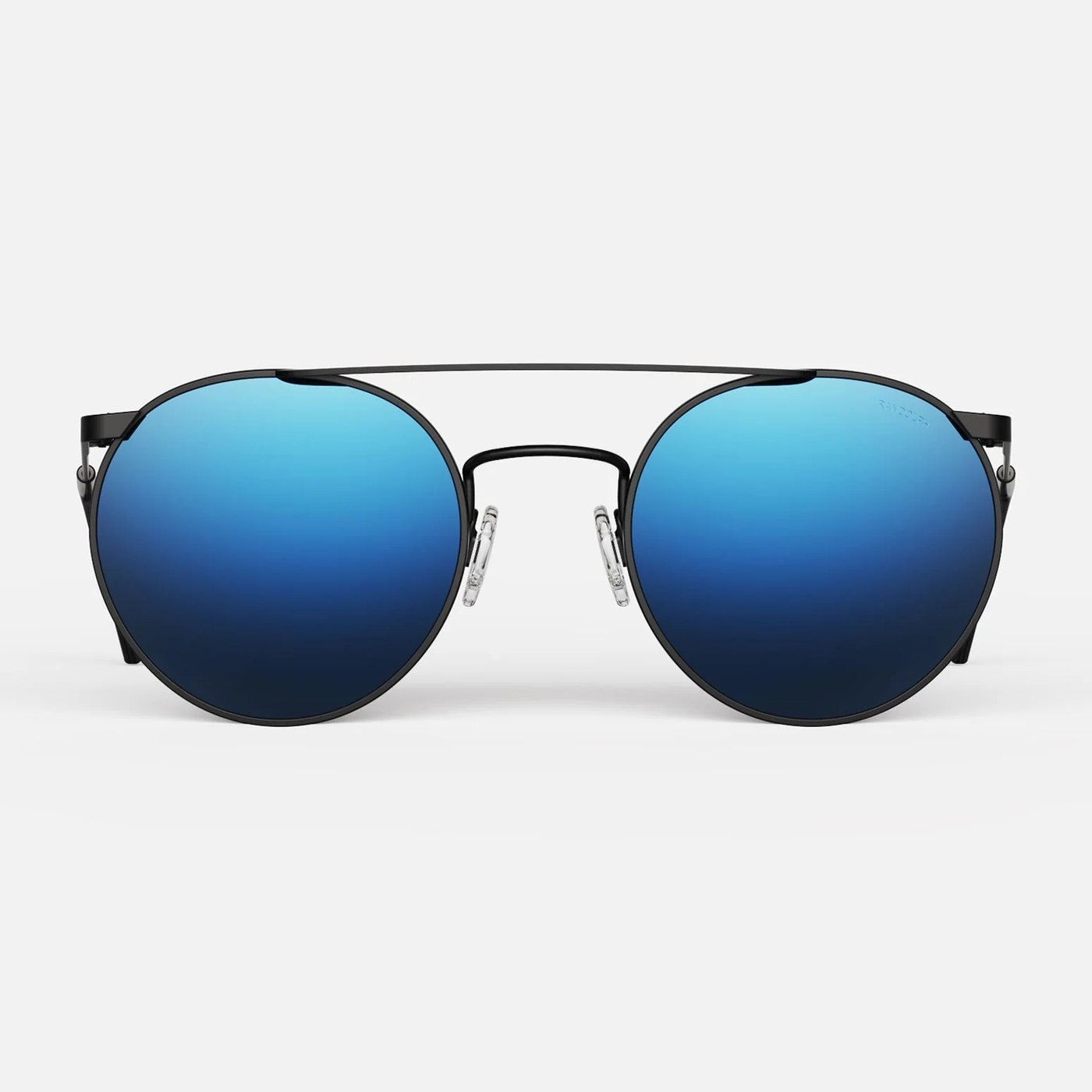
At a glance
| Randolph | Ray-Ban Aviator | American Optical | |
|---|---|---|---|
| Made in | USA (Massachusetts) | Italy (mostly) | USA / imported, varies by line |
| Signature model | Aviator, Thunderbirds, P3 | Aviator Classic | Original Pilot |
| Default lens | Glass standard, poly optional | Glass or poly by model | Glass standard on Original Pilot |
| Frame metal | Monel / titanium options | Metal alloy | Metal alloy |
| Military pedigree | Yes, brand-stated | Yes, historical | Yes, brand-stated |
| Replaceable / Rx lenses | Yes | Varies | Limited |
| Warranty highlight | Lifetime solder-joint (brand-stated) | Standard manufacturer warranty | Standard manufacturer warranty |
| Price band | Premium | Mid to premium | Entry to mid |
| Best known for | Durability + American craft | Icon status + choice | Value + heritage |
Pricing shifts with model, lens, and retailer, so check current pricing before deciding; the bands above are directional, not exact.
Head to head
Heritage and pedigree. All three have real claims. Ray-Ban's aviator was designed for pilots in the 1930s and became the cultural icon everyone else copies. American Optical made pilot glasses with a long military association (brand-stated), and it is often cited for its role in mid-century aviation and space-era eyewear. Randolph supplies aviators to the U.S. military and leans hard on that spec-driven pedigree (brand-stated). If pure cultural fame is what you're after, Ray-Ban wins. If you care about the working, spec-sheet side of aviation history, Randolph and American Optical are the purists' picks.
Lenses and optics. This is where the differences get practical. Randolph ships glass lenses as standard on most models, which favors clarity and scratch resistance, with polycarbonate available if you want lighter and more impact-resistant. American Optical's Original Pilot also comes with glass, part of its old-school appeal. Ray-Ban spans the widest range, from glass to various polycarbonate and gradient options depending on the model, plus the largest menu of colors, mirrors, and the Chromance polarized line. For sheer lens variety, Ray-Ban. For glass-by-default clarity, Randolph and AO.
Build and durability. Randolph builds its case around construction: metal frames, careful soldering, and a lifetime warranty on the solder joints (brand-stated) that signals confidence in the weak point of every aviator. American Optical's frames are known for being tough and no-nonsense, historically flexible temple options included. Ray-Ban quality is generally solid but varies more across its huge lineup and price tiers, and some buyers feel the mass-market pairs don't feel as substantial as the price suggests. If you are hard on your glasses and want a repair path, Randolph makes the strongest case.
Fit and style range. Ray-Ban offers the most sizes, shapes, and finishes, so it is easiest to find one that fits your face and wardrobe. Randolph keeps a tighter, more classic range (the Aviator, the squared P3, the Thunderbirds with its retro flat top and keyhole bridge) and offers finishes like matte black, gunmetal, and Air Force blue that read understated rather than flashy. American Optical is the most minimal of the three, focused on the timeless Original Pilot silhouette. Want maximum choice, go Ray-Ban; want a curated classic look, Randolph or AO.
Price and value. American Optical is typically the most accessible, an entry-to-mid band that gets you genuine glass-lens heritage for less. Ray-Ban sits mid to premium, and you are partly paying for the name and the reach. Randolph sits at the premium end, but the value argument is longevity: glass lenses, replaceable and prescription options, and a joint warranty mean cost per year can look better than the sticker suggests. None of these is a bad deal; they just optimize for different things.
Who should buy which
Buy Ray-Ban if you want the most recognizable name, the widest selection of shapes, colors, and lens types, and easy availability everywhere. It is the safe default and the fashion-forward choice, and there is nothing wrong with buying the icon.
Buy American Optical if you want real aviation heritage and glass lenses without the premium price, and you like a stripped-down, no-frills classic. It is the value pick for purists who don't need a big brand logo.
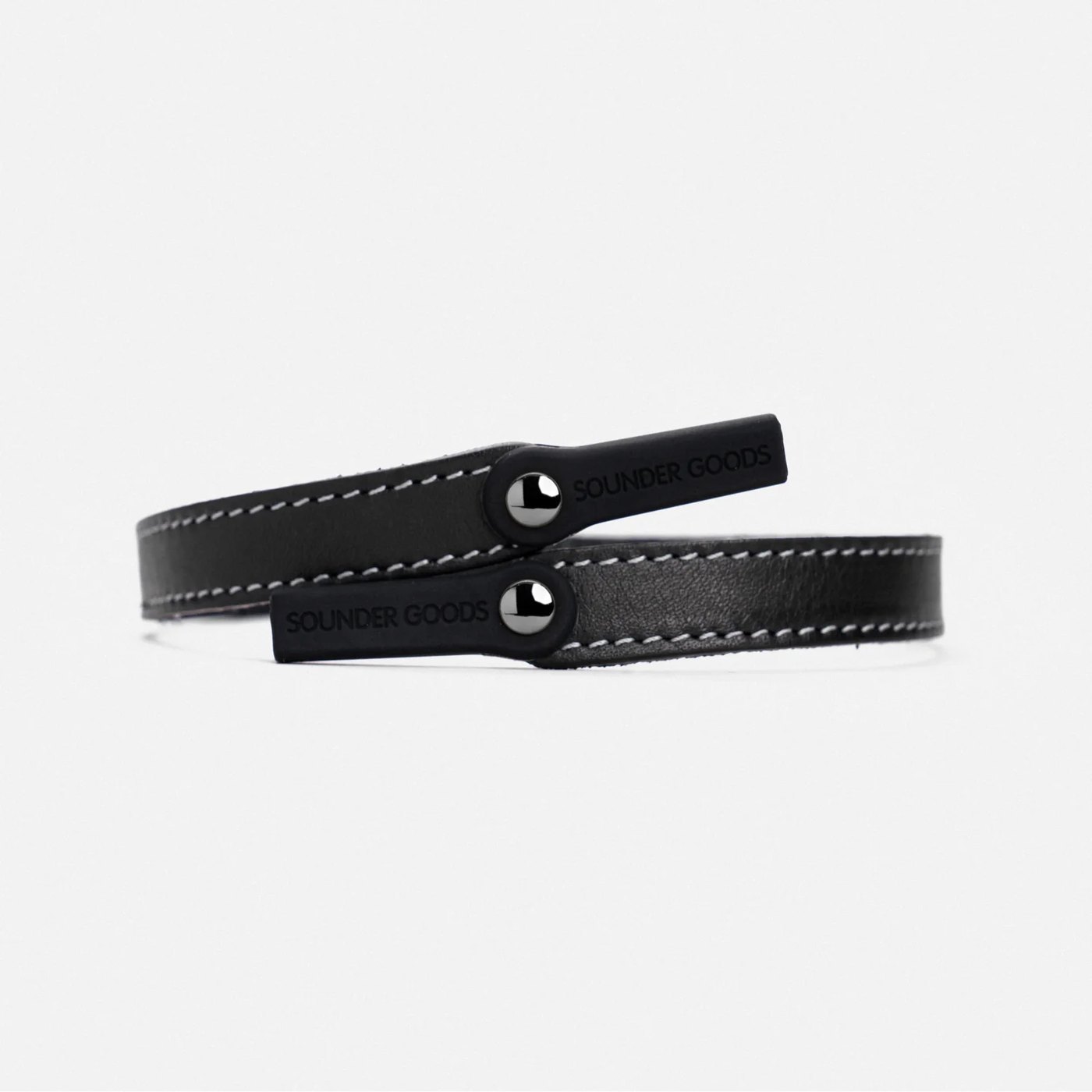
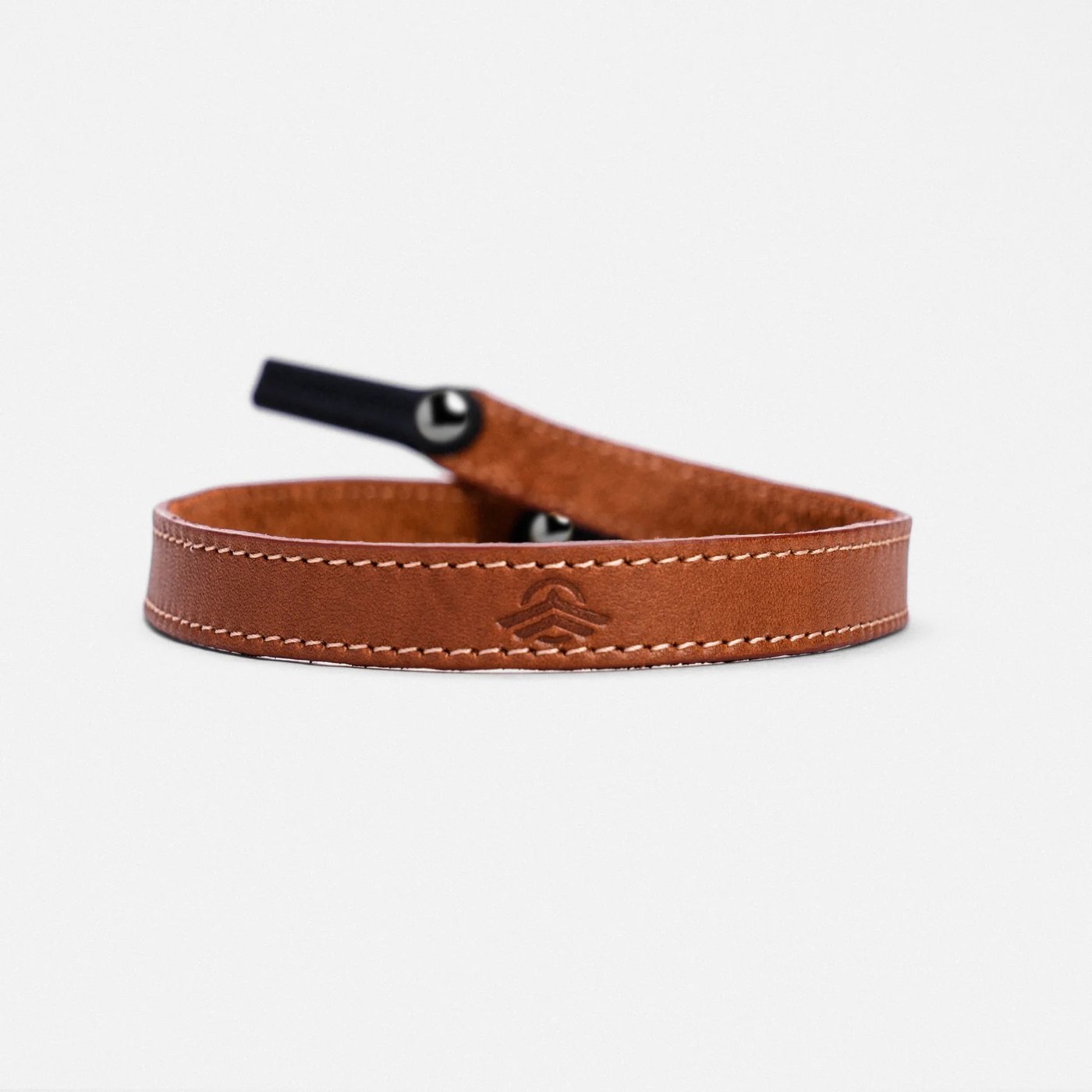
Buy Randolph if durability and repairability top your list, you prefer glass lenses and American manufacturing, and you want the option to re-lens or add a prescription and keep the same frames for years. It is the pick for the person who buys once and keeps it, and the accessory ecosystem (like the Sounder Goods leather straps) leans into that keep-it-forever mindset.
FAQ
Are Randolph and American Optical really made in the USA?Both brands state American manufacturing roots, with Randolph handcrafting in Massachusetts (brand-stated). Ray-Ban is largely made in Italy. Verify the specific model, since lineups can vary.
Is Ray-Ban lower quality because it's mass-market?Not exactly. Ray-Ban quality is generally good; it just spans a much wider range of models and price points, so consistency varies more than with the smaller, focused makers. Buy toward the top of its lineup and you get a solid pair.
Which has the best warranty?Randolph highlights a lifetime solder-joint warranty (brand-stated), which is unusually specific about the aviator's main failure point. Ray-Ban and American Optical carry standard manufacturer warranties. Read the exact terms for any pair before buying.
Can I get prescription aviators from these?Randolph offers prescription and replacement lenses on its frames. Ray-Ban supports Rx on many models. American Optical is more limited. If Rx matters, confirm before you choose.
Which is the best value?For lowest cost of entry with real heritage, American Optical. For long-term cost per year, Randolph's durability and re-lens options can win despite the premium band. For flexibility and choice, Ray-Ban. Check current pricing across all three before deciding.
If longevity, glass lenses and a real repair path are what you're weighting most, the Randolph range is the one to look at before you decide.
Disclosure: This post contains affiliate links. We may earn a commission from purchases made through these links at no extra cost to you. Prices and availability accurate at time of writing.
Disclosure: affiliate link — we may earn a commission at no extra cost to you.
Want gear like this on your content calendar?
Join AffluencerHub, get AI-matched to brand programs that fit your audience, and track every click to commission in one place.
Apply as a Creator