
A plain-English guide to the puzzle-walk format that has quietly taken over Dutch city centres.
TL;DR: An outdoor city escape game is a self-guided walking route where your team solves riddles at real locations to unlock the next clue. It is cheaper and more flexible than a booked tour, works for almost any group size, and needs no reservation slot in most cities. If you want a well-mapped Dutch version to try first, Escape Tours covers 200+ towns and is the one most people mean when they say "the escape walk." Start there, then read on for how to choose the right route and avoid the usual mistakes.
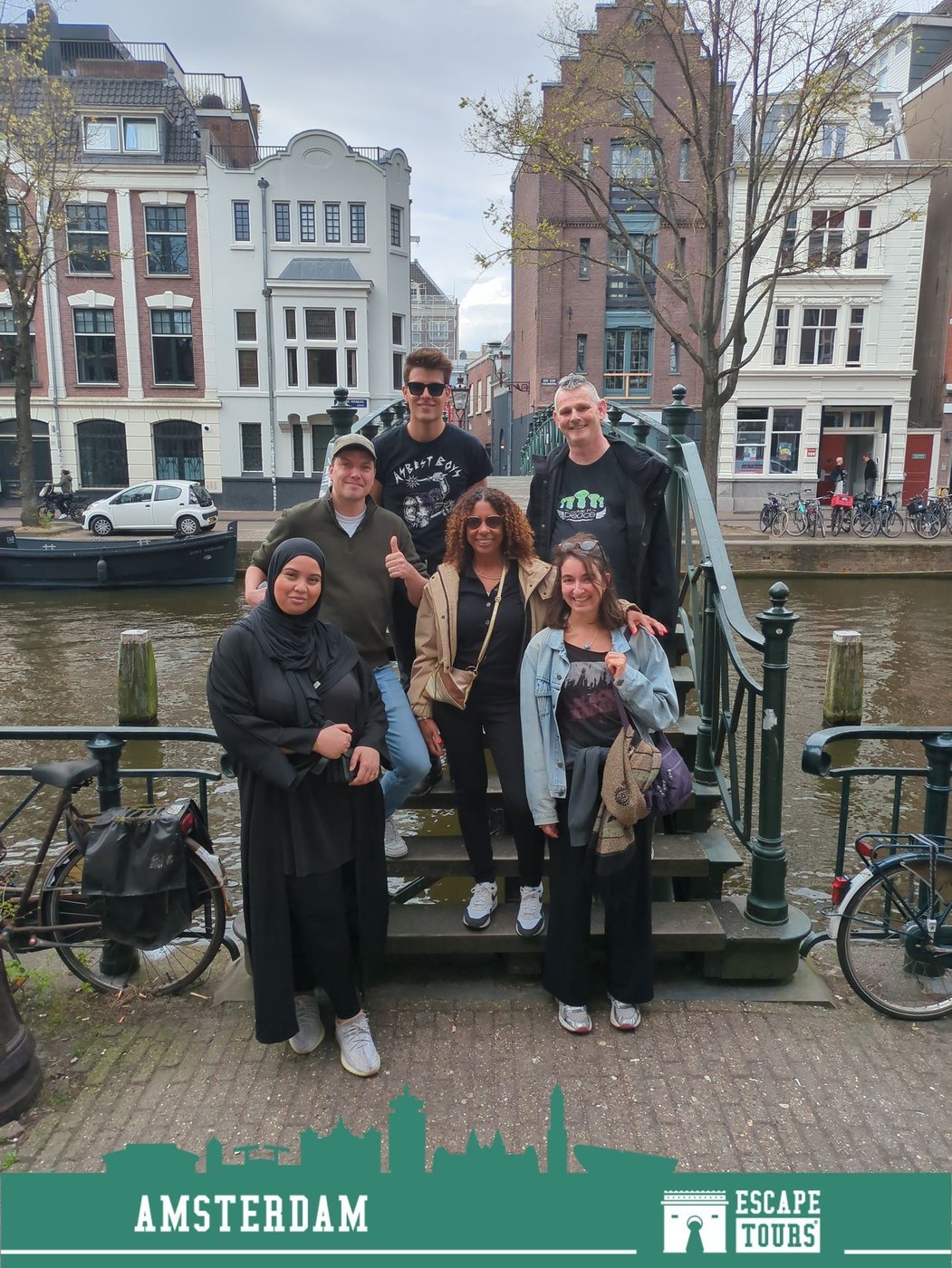
If you have ever done an indoor escape room and thought "this is fun, but I wish I could see daylight," the outdoor city version is what you were reaching for. It takes the same puzzle logic and scatters it across a real town: a statue, a shop sign, a bridge, a church door. Your team walks a loop through the centre, and each answer you crack points you to the next spot. Nobody locks you in. Nobody rushes you. You are basically wandering a city with a reason to look closely at things you would normally stroll past.
The format has grown fast because it solves a real problem. Group outings are hard to organise. Restaurants need bookings, museums have queues, and "let's just walk around" gets boring within an hour. A puzzle walk gives structure without a schedule.
How an outdoor escape game actually works
The mechanics are simple, which is the point.
You buy access to a route for a specific city. Depending on the provider, you get either a printed booklet or an app that runs on one phone per team. At a fixed starting point, the clock starts and you get your first riddle. The riddle usually sends you to a landmark, where the answer is hidden in something physical: the year carved above a doorway, the number of windows on a facade, a name on a plaque.
Type the answer in, and the app confirms it and reveals the next leg of the walk. Get it wrong, and most systems give you a hint rather than a dead end. The whole thing is designed so you cannot really get stuck for long, which matters when you have a mixed group of adults and kids.
A full loop typically runs a couple of hours and a few kilometres, at a relaxed pace. You can pause for coffee, take photos, or argue about an answer for ten minutes. Because it is self-guided, the route waits for you.
Who it suits
This is worth being honest about, because not every "fun activity" fits every group.
- Company outings and team-building. This is the strongest use case. Splitting a department into teams and running them on the same route turns colleagues who never talk into a unit trying to beat the group next to them.
- Friend groups, birthdays, stag and hen parties. Enough structure to feel like a plan, loose enough to allow drinks and detours.
- Families with older kids. Children who can read and count stay engaged because they are the ones spotting answers adults walk past.
- Tourists who want more than a map. You end up in corners of a city you would never find on your own, and you remember them.
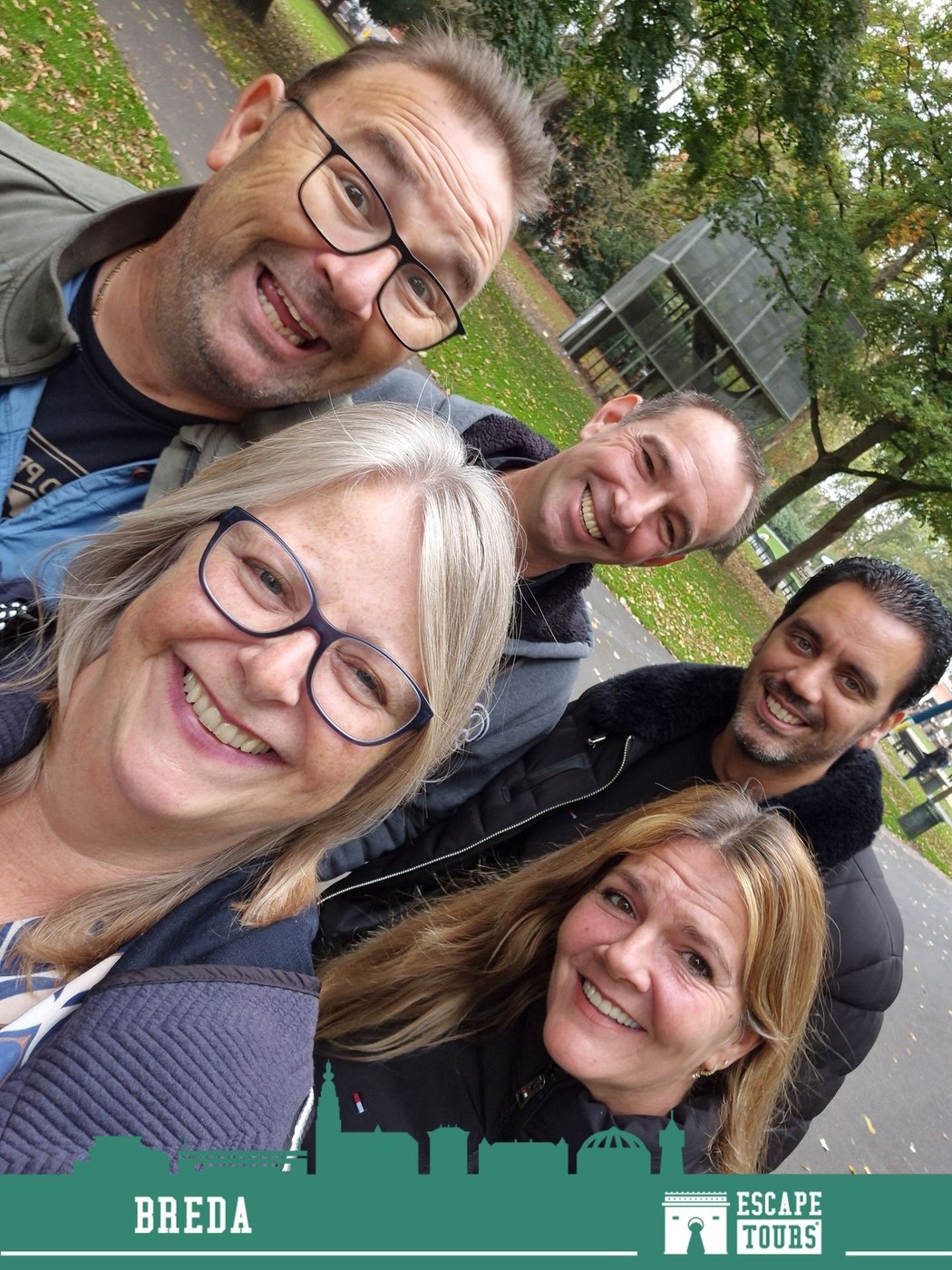
It suits large groups particularly well, because you can run several teams at once and compare finishing times afterwards. Providers like Escape Tours lean into this with a head-to-head "battle" option built for exactly that.
How to pick a good one
Not all city puzzle walks are equal. A few things separate the ones people rave about from the forgettable ones.
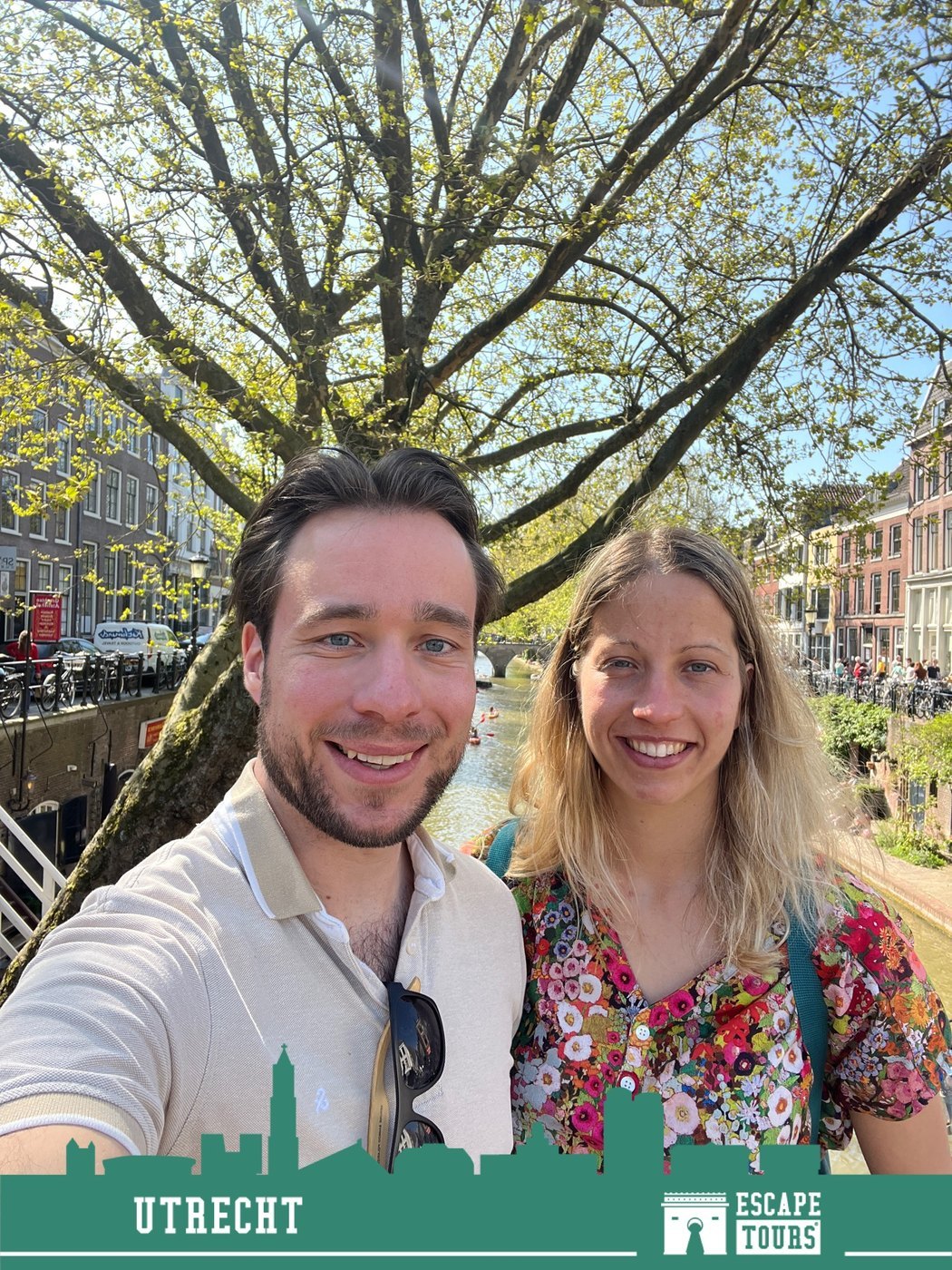
City coverage. The best providers offer the same tested format across many towns, so a route in Utrecht is as polished as one in Amsterdam. A provider running 200+ cities has usually ironed out the bugs. A one-city operator may be great or may be a hobby project.
App versus booklet. App-guided routes handle hints, scoring and wrong answers gracefully, and they update when a landmark changes. Booklets are charming but go out of date and cannot give you a nudge when you are stuck. Check which one you are buying.
Route quality, not just puzzle count. A good route is a genuine loop through the interesting part of town, not a march to an industrial estate to pad the distance. Reviews usually tell you this quickly.
Weather flexibility. Outdoor means outdoor. The better systems let you start when you like and pause under a cafe awning if it rains, rather than a fixed timed slot. Dutch weather makes this non-negotiable.
Group logistics. Check the minimum and maximum team size, whether you need one phone per team or one per person, and whether there is a proper option for large groups. If you are organising 40 people, "buy 40 tickets" is not the same as a group product.
Gift and voucher options. If you are buying it as a present, an open-dated voucher that works in any covered city is far more useful than a ticket locked to one date and place.
Common mistakes
People trip on the same few things every time.
They book the wrong team size and end up with six people staring at one phone. Two to five per team is the sweet spot; more than that and half the group is a spectator.
They treat it as a race. The teams that enjoy it most treat the timer as a light nudge, not the point. You are here to see the city and mess about, not to set a record.
They skip the preparation page. Every decent provider has one. It tells you where to start, what to bring, and how the hints work. Five minutes reading it prevents the "where do we even begin" confusion at the start.
They forget a charged phone. On an app-guided route, a dead battery ends the game. Bring a power bank if your group photographs everything.
FAQ
Do I need to be sporty or clever? No. The walking is gentle and the puzzles reward observation, not IQ. Kids often beat the adults.
What if it rains? You keep going or pause in a cafe. Nothing gets cancelled, which is the whole advantage over a fixed tour.
How long does it take? Plan for roughly two to three hours including stops. You control the pace.
Is it good value? Pricing sits in the affordable-outing band rather than the premium-experience band, and one purchase usually covers a whole team, so per-person it is easy on the wallet. Check current pricing for your city, since it varies by route and group product.
Can I do it as a gift? Yes. Look for an open voucher redeemable across cities rather than a fixed ticket. Escape Tours sells exactly this kind of gift voucher, which is handy when you do not know which city the recipient will pick.
The short version
Outdoor city escape games are the low-stress, high-flexibility answer to "what should we actually do together." Pick a provider with wide city coverage, an app-guided route, and a proper group option, read the prep page, keep your teams small, and treat the clock as a suggestion. If you want a Dutch route that ticks those boxes and works for everything from a family afternoon to a 50-person company day, browse Escape Tours and pick your city.
Disclosure: This post contains affiliate links. We may earn a commission from purchases made through these links at no extra cost to you. Prices and availability accurate at time of writing.
Disclosure: affiliate link — we may earn a commission at no extra cost to you.
Want gear like this on your content calendar?
Join AffluencerHub, get AI-matched to brand programs that fit your audience, and track every click to commission in one place.
Apply as a Creator