
A side-by-side breakdown of Australia's two most-compared accounting platforms — based on feature depth, local compliance, and who each one actually suits.
TL;DR: Xero wins on interface polish and app ecosystem. MYOB wins on inventory, job costing, and local phone support. Your business type decides this more than any feature checklist.
Why this comparison matters
For an Australian small business, this is often the actual decision — not "which accounting app in the world," but "MYOB or Xero." Both are mature, both handle the local compliance that trips up global tools, and both have loyal accountants swearing by them. That's exactly why a generic "which is best" answer is useless. The right pick depends on how your business is shaped, so this comparison is organised around that rather than a winner-takes-all score.
A quick word on how they're built, because it explains a lot of the differences below. Xero was cloud-native from birth and designed obsessively around a clean interface and a huge marketplace of add-on apps. MYOB has deep roots in Australian desktop accounting and has carried that depth — particularly in inventory and payroll — into its cloud products. Those origins still show.
At a glance
| Feature | MYOB | Xero |
|---|---|---|
| Local AU compliance (GST/BAS/STP) | Built-in, native | Built-in, native |
| Interface | Functional, capable | Cleaner, more modern |
| App marketplace | Solid, smaller | Very large (1,000+) |
| Inventory & job costing | A core strength | Present, lighter |
| Payroll | Unlimited on higher tiers | Included, scales by plan |
| Support | Dedicated AU phone support | Largely online, 24/7 |
| Best for | Inventory/trade/payroll-heavy | Most general small businesses |
Head-to-head
1. Interface and ease of use
No contest on first impressions: Xero is generally regarded as the cleaner, more approachable interface, and beginners tend to find it faster to learn. MYOB is perfectly capable but feels more utilitarian. If you value a modern, low-friction experience and your needs are straightforward, this is a real point in Xero's favour.
Winner: Xero.
2. Inventory and job costing
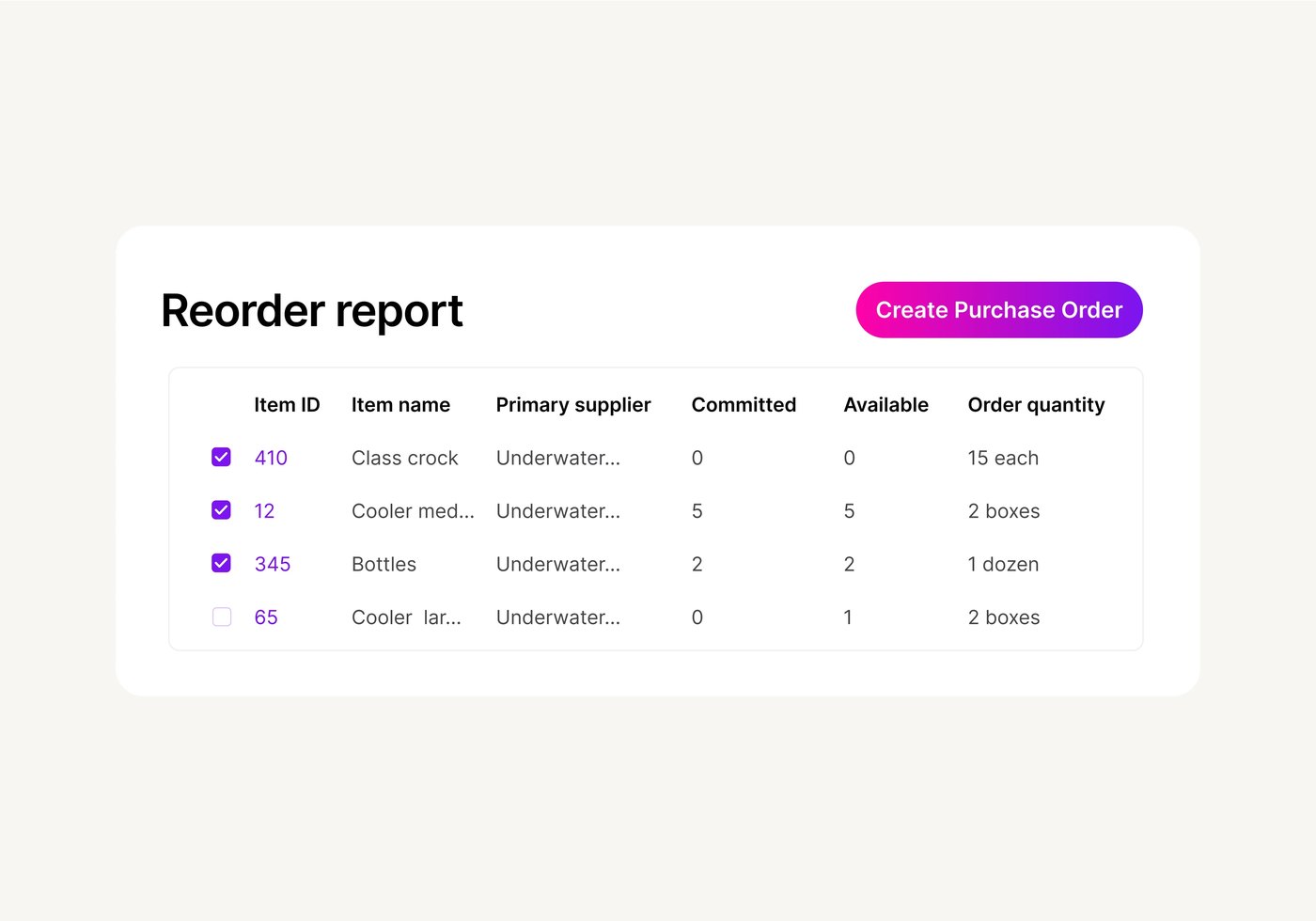
Here the tables turn. MYOB is repeatedly rated stronger on inventory management and job costing — the depth a product-based business or a tradie quoting jobs actually leans on. Xero handles inventory, but more lightly. If tracking stock levels, reorder points, and job profitability is central to how you run, MYOB's depth is the differentiator.
Winner: MYOB.
3. Payroll
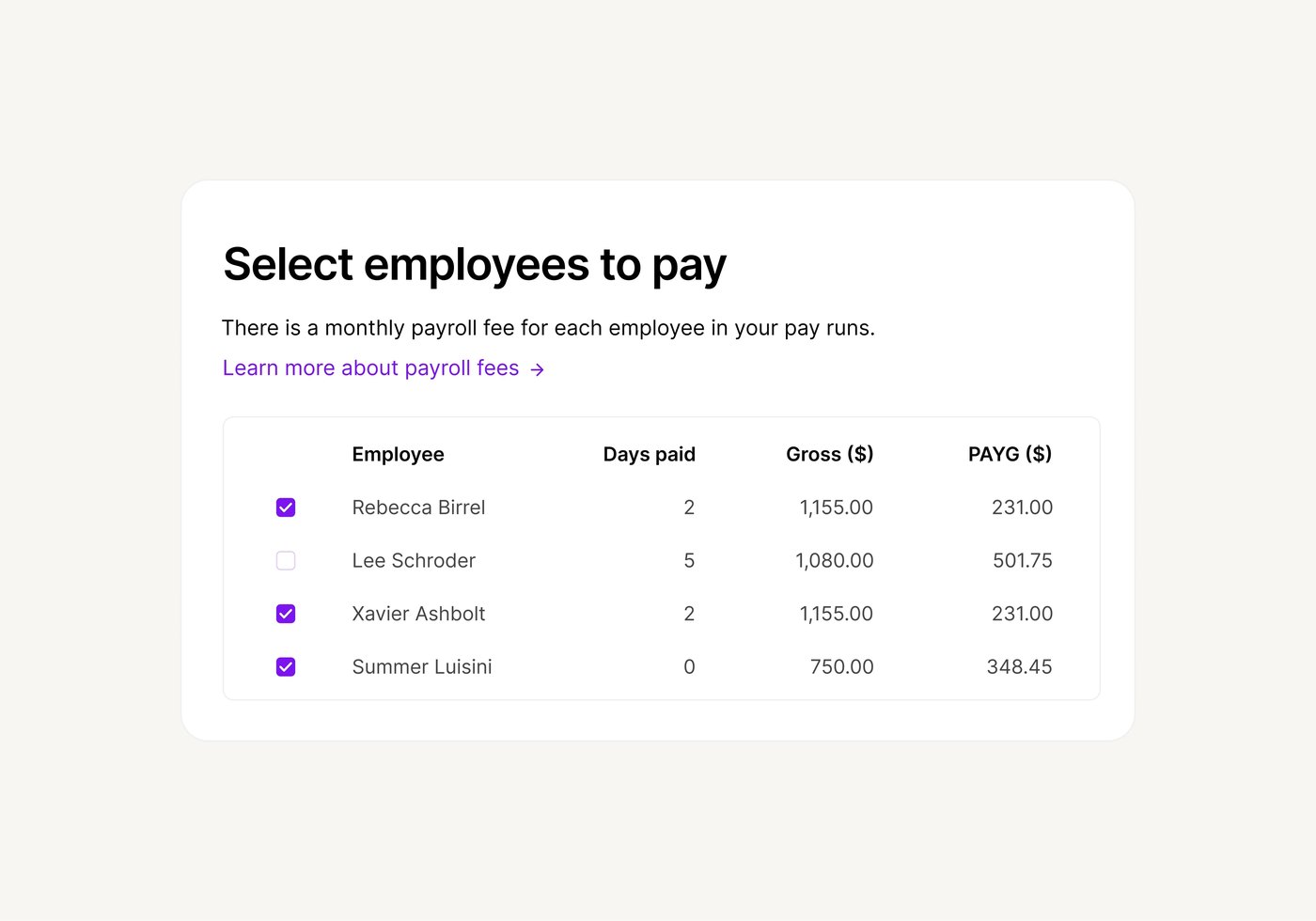
Both handle Single Touch Payroll and super. The structural difference is how payroll scales with headcount. MYOB builds unlimited payroll into its higher AccountRight plans, which can work out simpler for businesses with more staff. Xero includes payroll but scales it by plan tier. For a payroll-heavy business, model the per-employee cost on each before deciding — it swings the total.
Winner: Depends on headcount. MYOB for larger teams on the right plan; either works for a handful of staff.
4. App ecosystem and integrations
Xero's marketplace is its moat — well over a thousand connected apps for everything from point-of-sale to expense tracking. If your business relies on stitching tools together, that breadth matters and MYOB's smaller ecosystem is a genuine limitation.
Winner: Xero.
5. Support
When something breaks near a deadline, how you reach help matters. MYOB offers dedicated Australian phone support during business hours; Xero leans on online support (with 24/7 availability). Phone-versus-online is a personality question — some people want a human on the line, others prefer searching a help centre at midnight.
Winner: MYOB for phone-first users; Xero for self-service, any-hour help.
Real-world scenarios
- If you run a product-based or trade business → MYOB. Inventory and job costing depth is the reason.
- If you want the cleanest interface and biggest app ecosystem → Xero. Most general service businesses land here happily.
- If you have a larger payroll → model both, but MYOB's unlimited-payroll tiers often simplify the maths.
- If you want phone support → MYOB. If you prefer 24/7 online self-help → Xero.
The verdict
There isn't a universal winner here, and any article that hands you one is oversimplifying. For most general Australian small businesses — service-based, straightforward, integration-hungry — Xero's polish and ecosystem make it the default recommendation. For businesses built on stock, jobs, or heavier payroll, MYOB's depth in exactly those areas, plus local phone support, makes it the stronger long-term fit.
Match the tool to how your business actually runs, not to a feature scoreboard. If your operation leans on inventory, job costing, or payroll, look at MYOB's current plans here and see whether the depth lines up with your day-to-day.
FAQ
Q: Is MYOB really better than Xero?A: For inventory, job costing, and phone support, many businesses find it is. For interface and app breadth, Xero usually leads. Neither is universally "better" — it's about your business shape.
Q: Can I switch from one to the other later?A: Yes, though migration takes effort and is cleanest at the start of a financial year (EOFY). Choosing well upfront saves you a mid-year data move.
Q: What about QuickBooks?A: It's the third major player in Australia — broader globally and cheaper at the micro end, but generally considered a more distant option locally than these two. Worth a look if budget is the top constraint.
Q: Do both handle BAS lodgement?A: Both are built for AU compliance including GST and BAS. MYOB supports direct BAS lodgement; confirm the current specifics for your plan on each provider's site.
Disclosure: This post contains affiliate links. We may earn a commission from purchases made through these links at no extra cost to you. Prices and availability accurate at time of writing.
Disclosure: affiliate link — we may earn a commission at no extra cost to you.
Want gear like this on your content calendar?
Join AffluencerHub, get AI-matched to brand programs that fit your audience, and track every click to commission in one place.
Apply as a Creator