
Leasing is how a large share of Germany drives, and for newcomers it is often the fastest route to a car without a five-figure outlay. This guide explains how the system works, which numbers actually decide your monthly rate, and how a comparison marketplace like LeasingMarkt.de fits into the process. It is informational, not financial advice. Read the mileage and down-payment sections closely, because those two levers move your cost more than the badge on the bonnet.

01Why leasing is so normal in Germany
Start with a fact that surprises most arrivals. According to liveingermany.de, citing Germany's Kraftfahrt-Bundesamt (the Federal Motor Transport Authority), roughly 40 percent of new cars registered in the country are leased rather than bought outright, and that share has been climbing for years. Leasing here is not a fringe product for people who cannot afford a car. It is a mainstream default, wired into how dealers price stock and how companies run their fleets.
The mechanism is simple once you strip away the jargon. A leasing company buys the car. You pay to use it for a fixed term, usually somewhere between 24 and 48 months, with 36 months as the common middle ground. Your monthly rate covers the vehicle's depreciation over that window plus the provider's margin and financing cost. At the end, you hand the keys back and walk away. You never own the car, and that is the point: you are paying for use, not for an asset.
This is where the design logic matters. Because you only fund the drop in value during your term, a leased car can feel far cheaper per month than a loan for the same model. The trade-off is that the arrangement is built around assumptions, and the biggest assumption is how far you drive.
02The three numbers that decide your rate
Ignore the glossy configurator for a moment. Three figures do most of the work.
- The monthly rate (Leasingrate). This is the headline, and it is what most portals sort by. A low sticker rate can still be an expensive deal once you factor in the other two numbers, so treat it as the start of the calculation, not the end.
- The mileage allowance (Laufleistung). You agree upfront on a maximum annual mileage. Drive under it and some contracts refund a little per unused kilometre; drive over it and you pay a penalty for every extra kilometre at return. Underestimating your mileage to shave a few euros off the monthly rate is the classic own goal. Be honest about your commute, your weekend trips, and the occasional drive back home across the border.
- The down payment (Anzahlung, or Sonderzahlung). A larger upfront payment lowers your monthly rate because it reduces the amount the provider has to recover over the term. It also, from the provider's side, reduces their risk if you default. Zero-deposit deals exist and keep your cash free, but they carry a higher monthly rate. Neither is "better" in the abstract. It depends on whether you would rather protect liquidity or minimise the monthly line item.
One more distinction worth knowing, because it changes your risk profile. Most consumer-friendly contracts are Kilometerleasing (mileage leasing), where your return cost is judged against the agreed mileage. The alternative, Restwertleasing(residual-value leasing), pins the deal to a projected resale value, and if the market says the car is worth less than projected at return, you can owe a top-up. For a first lease, mileage-based contracts are usually the calmer choice.
03What a comparison marketplace actually does
Here is the part expats tend to miss. You do not have to walk into a single dealership and take whatever that showroom quotes. A marketplace aggregates offers from many dealers and leasing providers in one place, so you compare the same model across competing rates instead of trusting one salesperson's "best price."
LeasingMarkt.de has run this model since 2012. You filter listings by model, term, mileage, down payment, and private or business use, then send a non-binding inquiry ("Unverbindlich anfragen") to the dealer behind an offer you like. The dealer follows up with the contract details and, if you proceed, the actual lease agreement. Using the portal to compare costs you nothing; the commercial relationship is between you and the dealer. You can work through the current listings on the LeasingMarkt.de marketplace before you commit to anything.
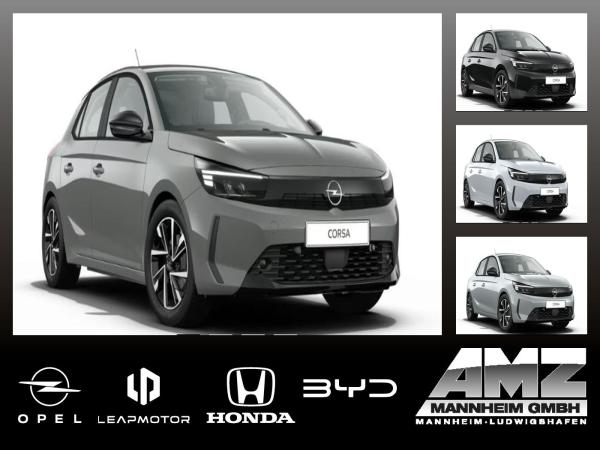
What to weigh when you compare offers
When you line up deals side by side, judge each on more than the monthly figure.
| Factor | Why it matters | Where to check |
|---|---|---|
| Monthly rate + any add-ons | The true cost includes registration, delivery, and one-off fees, not just the advertised rate | Offer detail on LeasingMarkt.de |
| Contract term | Longer terms usually mean lower monthly rates but less flexibility | Filter by 24 / 36 / 48 months |
| Mileage allowance | Set it to your real driving, not an optimistic guess | Adjust before comparing rates |
| Down payment | Trades upfront cash against monthly savings | Compare zero-deposit vs deposit deals |
| Private vs business | Business leasing is often cheaper thanks to fleet discounts and tax treatment | Toggle the offer type |
| What's included | Some listings bundle delivery or maintenance; many don't | Read the fine print per dealer |
According to iamExpat, the sensible comparison points are the monthly premium including additional costs, what is included, contract length, the vehicle types on offer, and the level of customer service. That list holds up well.
04A note on private versus business leasing
If you are self-employed or run a company here, look at Gewerbeleasing (business leasing) rather than private terms. As carwow explains, business rates are frequently lower because manufacturers reward fleet and volume purchases with discounts, and lease payments can often be treated as deductible business expenses. You will need proof of your business (a trade registration, commercial-register extract, or freelancer status) plus a clean Schufa credit record. Whether the tax side actually favours you is a question for your Steuerberater, not for a soft article.
05Practical things expats forget
A few housekeeping items catch people out. You cannot register a leased car without valid German motor insurance (Kfz-Versicherung) in place first; the dealer will not release the keys otherwise. Your foreign driving licence is generally valid for six months from your registration date, after which you may need to convert it. During the lease, keep the car in good condition, run inspections on time, and use the contract-specified workshops, because return condition is assessed and damage beyond normal wear gets billed. Early termination is genuinely hard, so treat the monthly rate as a fixed cost you are locking in for the term.

LeasingMarkt.de — line up dealer offers on the same model
Filter by model, 24/36/48-month term, mileage, down payment and private-vs-business. Non-binding inquiry to the dealer costs nothing, and the platform has aggregated leasing offers since 2012.
🚗 Dealer offers aggregated since 2012 · private & business filters · non-binding inquiry (Unverbindlich anfragen). Affiliate link — we may earn a commission at no extra cost to you.
Frequently asked questions
Can foreigners lease a car in Germany? Yes. Your visa type, the length of your residence permit, and your German credit history affect how smooth the process is, but none are automatic disqualifiers. Providers typically ask for a residence permit covering the lease period, recent payslips, and proof of a German address.
Is leasing cheaper than buying? Per month, often yes, because you only fund depreciation. Over many years of ownership, buying can work out cheaper if you keep a car for a long time. Leasing wins on predictability and low commitment, not on lifetime cost.
What happens if I exceed my mileage? You pay a per-kilometre charge at return for the excess. That is why setting a realistic mileage allowance up front matters more than chasing the lowest possible monthly rate.
Does comparing on LeasingMarkt.de cost anything or lock me in? No. Browsing listings and sending a non-binding inquiry is free, and the contract is only ever between you and the dealer once you decide to proceed.
Should I take the zero-deposit option? It depends on your priorities. Zero deposit keeps your cash free but raises the monthly rate; a down payment does the reverse. Match it to your liquidity, not to a rule of thumb.
None of the above is a recommendation to lease rather than buy, or to pick any particular deal. It is a map of how the system works so you can make your own call with clear eyes.
Want gear like this on your content calendar?
Join AffluencerHub, get AI-matched to brand programs that fit your audience, and track every click to commission in one place.
Apply as a Creator