
A practical, explainer-style guide to dressing for autumn's swing temperatures with johnnie-O's Prep-formance layers. What each piece is for, and why the system works. Live fall colorways sit on the official store.
Fall is the trickiest season to dress for, and the reason is physics, not fashion. Mornings start cold, afternoons warm up, and evenings drop again. One heavy layer traps heat you don't want by noon; one light layer leaves you cold at the tee. The fix is a layering system where each piece has a job. johnnie-O's Prep-formance line happens to be built exactly for this, so let's break down how to use it.
Three roles, one system
01Why layering beats one warm piece
Your body loses and generates heat all day. A single thick sweater can only be on or off, which means you're either overheating or freezing. A layering system lets you add and shed thin pieces to match the moment. The trapped air between layers is what actually insulates you, so two light layers often beat one bulky one.
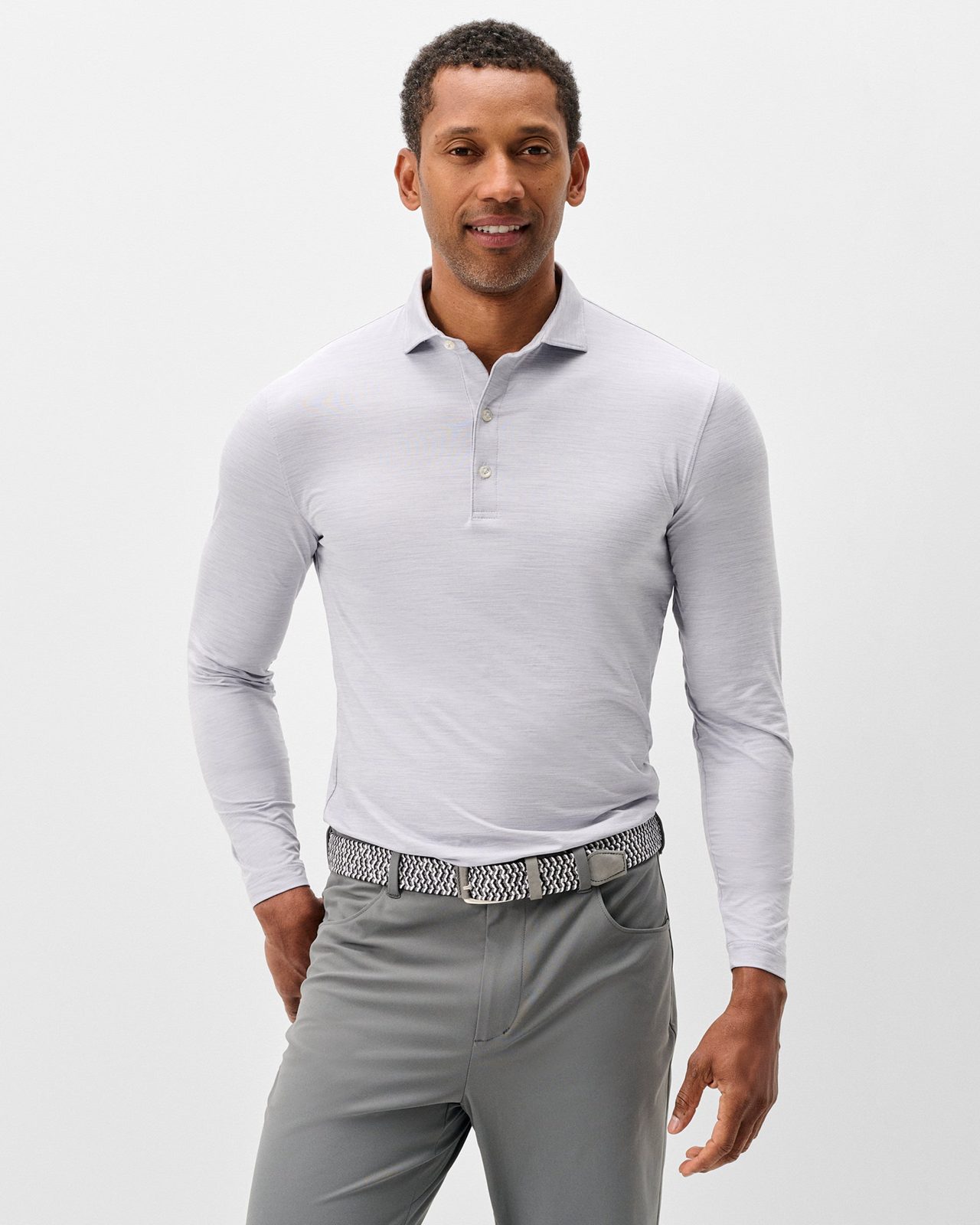
The catch is that most casual layers are cotton, which soaks up sweat and holds it cold against your skin. Performance fabrics wick that moisture outward instead. That's the whole reason "Prep-formance," johnnie-O's blend of preppy looks and technical fabric, matters in fall: you get the layering flexibility without the clammy cotton problem.
02The three-layer system, explained
Think of fall dressing in three roles. Get the roles right and you'll be comfortable from a frosty 7 a.m. to a mild afternoon.
Base layer: the polo. This sits against your skin and manages moisture. A Prep-formance polo wicks sweat away during the warm part of the day and becomes your standalone shirt when the afternoon heats up. Choose a jersey performance polo over heavy cotton so it dries fast and layers thin.
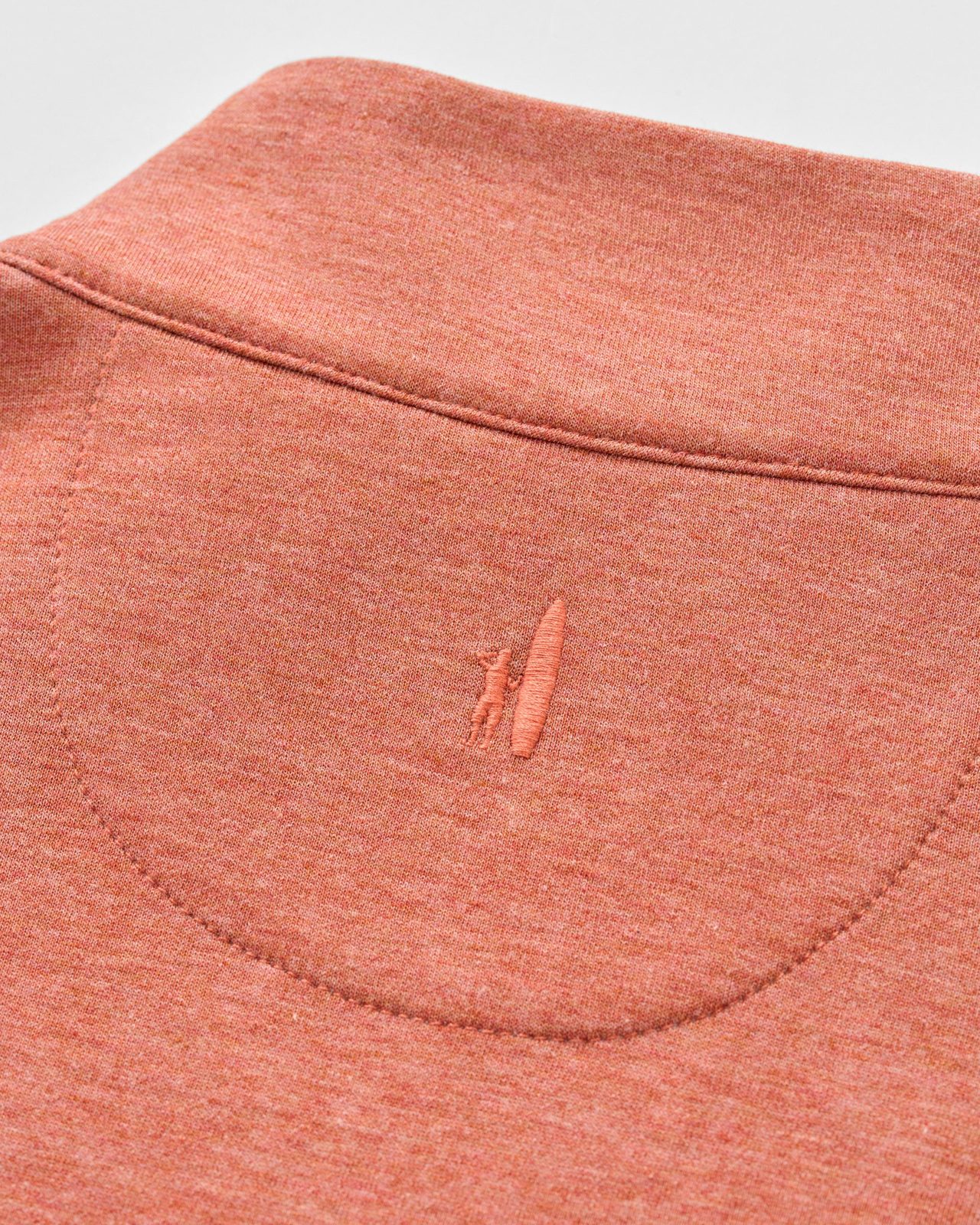
Mid layer: the quarter-zip. This is your thermostat. A quarter-zip pullover traps warm air and, crucially, lets you dump heat fast by dropping the zip when you warm up. The zipper is the point; it's the difference between fine and sweating. This is the piece you'll adjust most, all day.
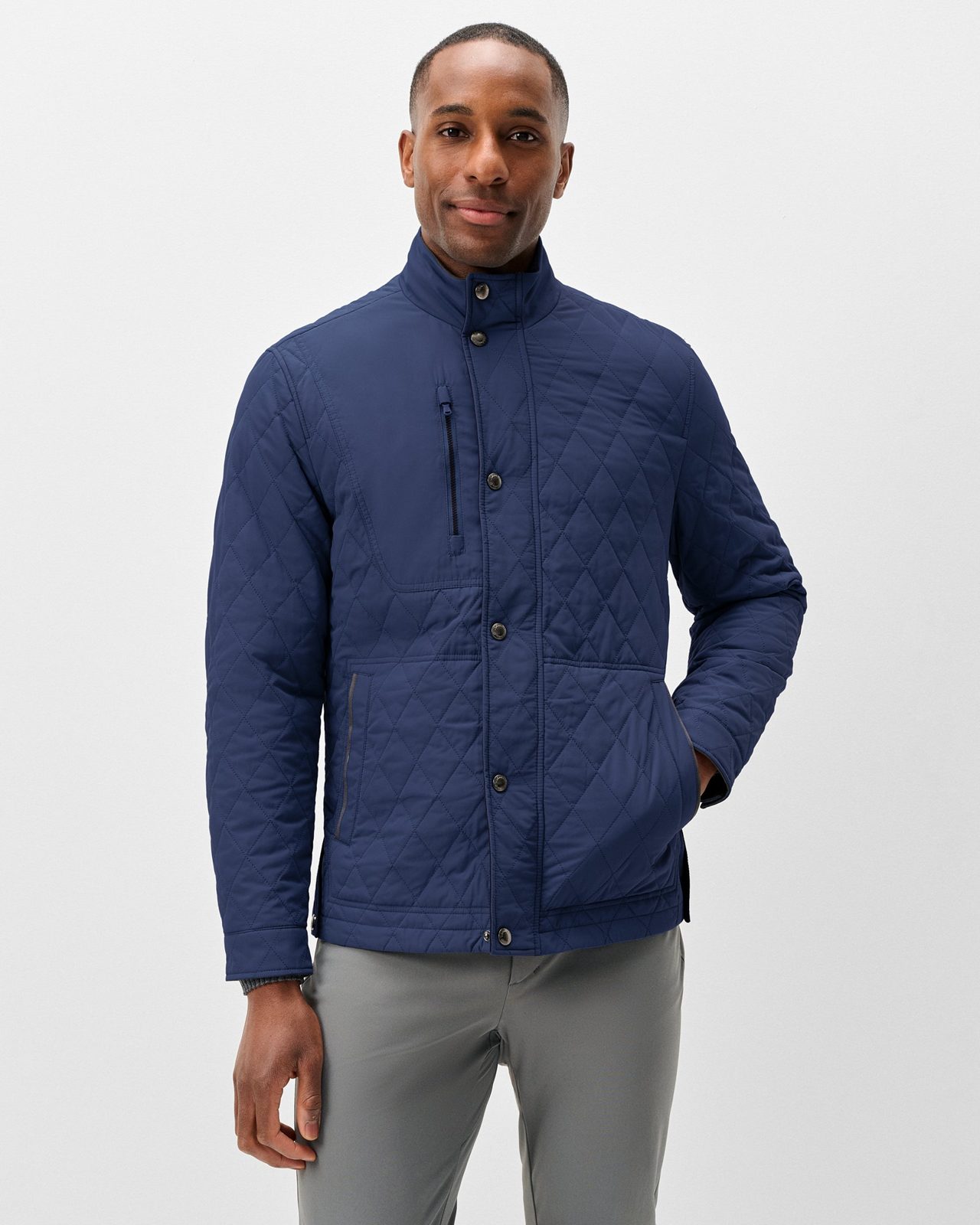
Outer layer: the jacket. This blocks wind and the morning chill, then comes off and goes in the bag once the sun does its work. A mixed-media jacket layers over the polo and quarter-zip without bulk, so you're not carrying a heavy coat you'll regret by lunch.
03Matching the layer to the moment
Here's how the system plays out across a typical fall day, so the logic is concrete rather than abstract.
- Cold morning (under 50°F): all three layers. Polo, quarter-zip, jacket zipped.
- Warming up (mid-morning): jacket off, quarter-zip on, zip down to vent.
- Mild afternoon: polo alone, or quarter-zip tied over the shoulders.
- Cool evening: quarter-zip back on, jacket if the wind picks up.
You're never carrying more than you need, and you're never caught cold. That's a system doing its job.
04Fall picks and what each is for
| Layer | Piece | Its job | Fabric logic |
|---|---|---|---|
| Base | Prep-formance polo | Moisture management, standalone shirt | Wicking jersey, dries fast |
| Base+ | Featherweight polo | Warm afternoons, thin under a layer | Ultra-light, breathable |
| Mid | Prep-formance quarter-zip | Adjustable warmth via the zip | Stretch, traps warm air |
| Mid | Motion 1/4 zip | Active days, more range of motion | Higher stretch |
| Outer | Mixed-media jacket | Wind and morning chill | Layers without bulk |
| Weekend | Everyday hoodie | Off-duty warmth | Brushed interior, trim cut |
Fall colorways lean into the earthy and muted this time of year, and they sell through, so the current run is worth checking on the official product pages.
05Color and fabric notes for autumn
A quick word on why fall colors matter beyond taste. Muted, earthy tones (olive, rust, deep navy, heather grey) layer more forgivingly than bright summer shades because they don't clash when stacked. A heather quarter-zip over a solid polo under a textured jacket reads as one considered outfit rather than three separate ones. That's why the mixed-media construction, panels of different fabric and texture, works so well in fall: the visual interest comes from texture, not loud color.
On fabric: reach for the jersey and stretch performance pieces now, not the featherweight summer polos on their own. The featherweights are still useful as a thin base under a layer, but on their own they're built for July heat, not October wind.
06For the golfer specifically
Fall golf is where this system earns its keep. You tee off cold and finish warm. Start with polo, quarter-zip, and a light jacket; shed the jacket by the third hole and vent the quarter-zip on the back nine. The wicking base keeps you dry through the round, and nothing binds your swing because the layers are cut trim and built to stretch. It's the same three-role logic, just played out over eighteen holes.
Build the stack before the cold sets in
Here's the honest timing note. Fall colorways are seasonal, and the muted tones that make layering work are exactly the ones that sell through first. Once a heather quarter-zip or an earthy jacket is gone for the season, it's gone until next year, and you're left improvising your mid layer with something that doesn't vent. The smart move is to lock in the three roles, base, mid, and outer, while the fall run is still in stock, rather than scrambling for a warm layer on the first genuinely cold morning. Get the system in your closet before the weather forces the decision for you.
johnnie-O — the fall 2026 layering stack
Prep-formance polos, quarter-zips (standard and Motion) and the mixed-media jacket — the three-role system in muted, earthy fall colorways. Lock it in before the run sells through.
🏄 West Coast Prep since 2005 · sewn-in collar stays · free US shipping over $150. Affiliate link — we may earn a commission at no extra cost to you.
Want gear like this on your content calendar?
Join AffluencerHub, get AI-matched to brand programs that fit your audience, and track every click to commission in one place.
Apply as a Creator