
A practical buyer's guide to artist-led silver and bronze pieces, from materials to sizing to caring for them for decades.
TL;DR: Sculptural fine jewelry lives or dies on three things: the metal it's made from, the hand that finished it, and whether the shape suits your body and life. If you want a starting point that gets all three right, AGMES makes handcrafted, recycled-silver pieces in New York that are built to be handed down rather than replaced. This guide walks you through what to look at before you buy anything artisan.
Sculptural jewelry is having a long moment, and for good reason. After years of thin, mass-produced chains and identical stud sets, a lot of shoppers want a single object with presence: something that reads as a small piece of art on the collar or the ear. But "looks like art" and "will last like an heirloom" are not the same promise, and the gap between them is where people waste money.
This guide is about closing that gap. It's written for anyone buying their first serious artisan piece, or upgrading from costume jewelry to something they expect to keep.
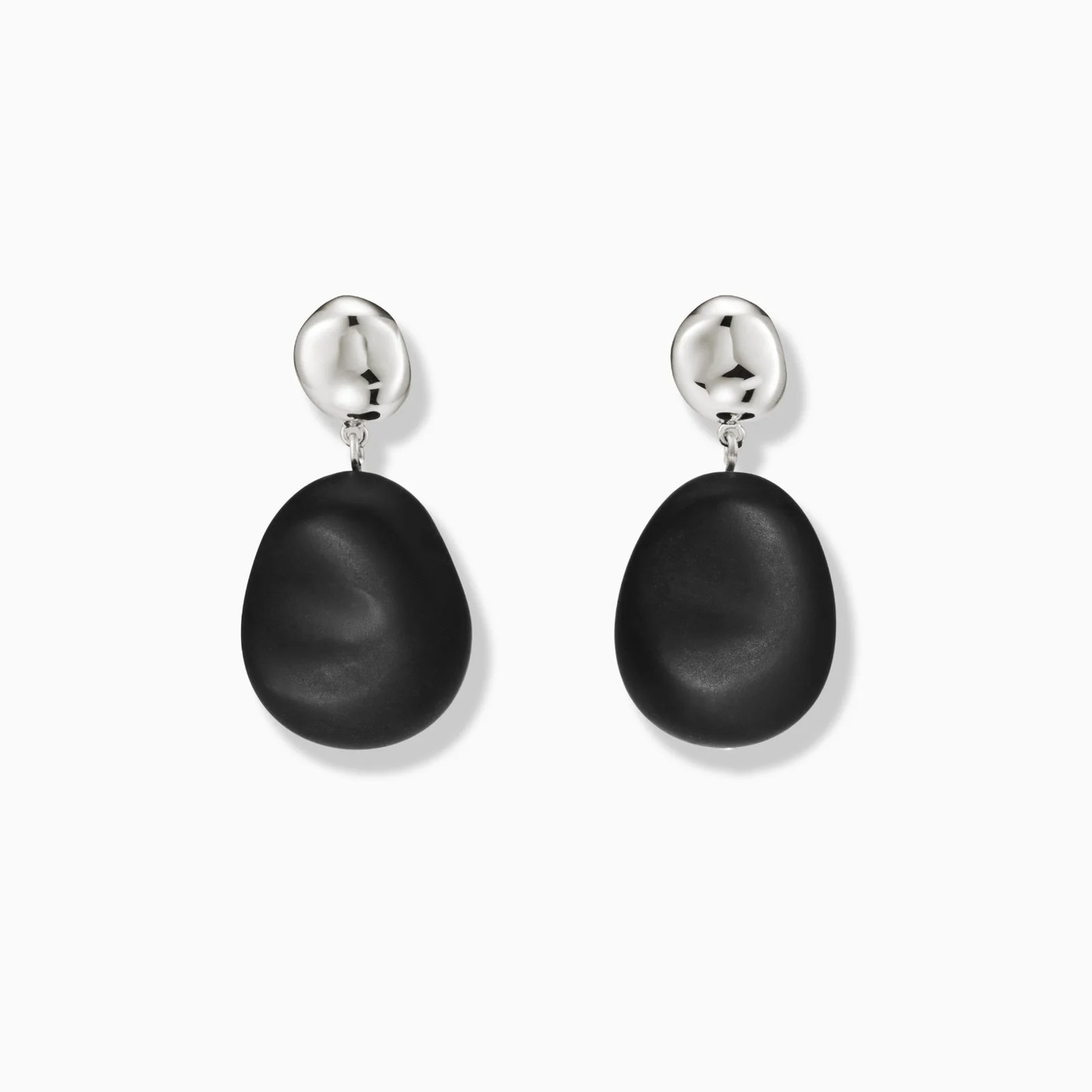
Start with the metal, not the look
The single biggest quality signal in fine jewelry is the base material, and it's the one shoppers skip most often because the finish distracts them.
For silver, you want 925 sterling silver, which is 92.5% pure silver alloyed for strength. That's the real thing, and it's what serious makers use. Be wary of vague terms like "silver-tone," "silver-plated," or "silver-filled." Plating is a thin coat over a cheaper metal that wears through with time; solid sterling is metal all the way through, so a scratch is just a scratch, not a bald spot.
Bronze is the other material worth understanding. It's warmer in tone than silver, heavier, and a favorite of sculptural designers because it holds crisp cast detail. Good bronze pieces are solid, not hollow, and often finished by hand.
Gold shows up in two honest forms at this level. Gold vermeil is a thick layer of gold (usually 18-karat) over sterling silver, which is a legitimate way to get a gold look with real substance underneath. Solid 14k or 18k gold is the premium tier and priced accordingly. Both are fine; just know which one you're paying for.
One material angle that's grown a lot: recycled metal. Brands like AGMES cast in recycled 925 sterling silver and reuse their own scrap metal, which is a real sustainability story rather than a slogan, because it reduces new mining demand for the same finished object. If lower-impact materials matter to you, ask specifically whether the silver is recycled; it's a fair question and reputable makers answer it plainly.
Judge the craft, not just the design
A sculptural shape can look striking in a product photo and feel cheap in the hand. Here's how to tell the difference before you commit.
- Weight and balance. Pick a piece up, or read the weight if you're online. Good sculptural work is often surprisingly lightweight for its size because the maker thought about how it sits on the body. A piece that's substantial to look at but comfortable to wear is a sign of real design, not just a big casting.
- Finish and edges. Run a finger along the edges (or zoom in hard on the photos). You want smooth, deliberate surfaces, clean joins, and no rough casting seams. Texture should look intentional, not accidental.
- Findings. These are the small functional parts: earring posts, clasps, pin backs. On a quality piece they're solid and secure. Cheap findings are where mass-produced jewelry gives itself away.
- Where it's made. "Handmade in New York" or "made in our studio" is worth something because it usually means small-batch production with a person checking each piece. It's not a guarantee, but it's a much better sign than an unnamed factory.
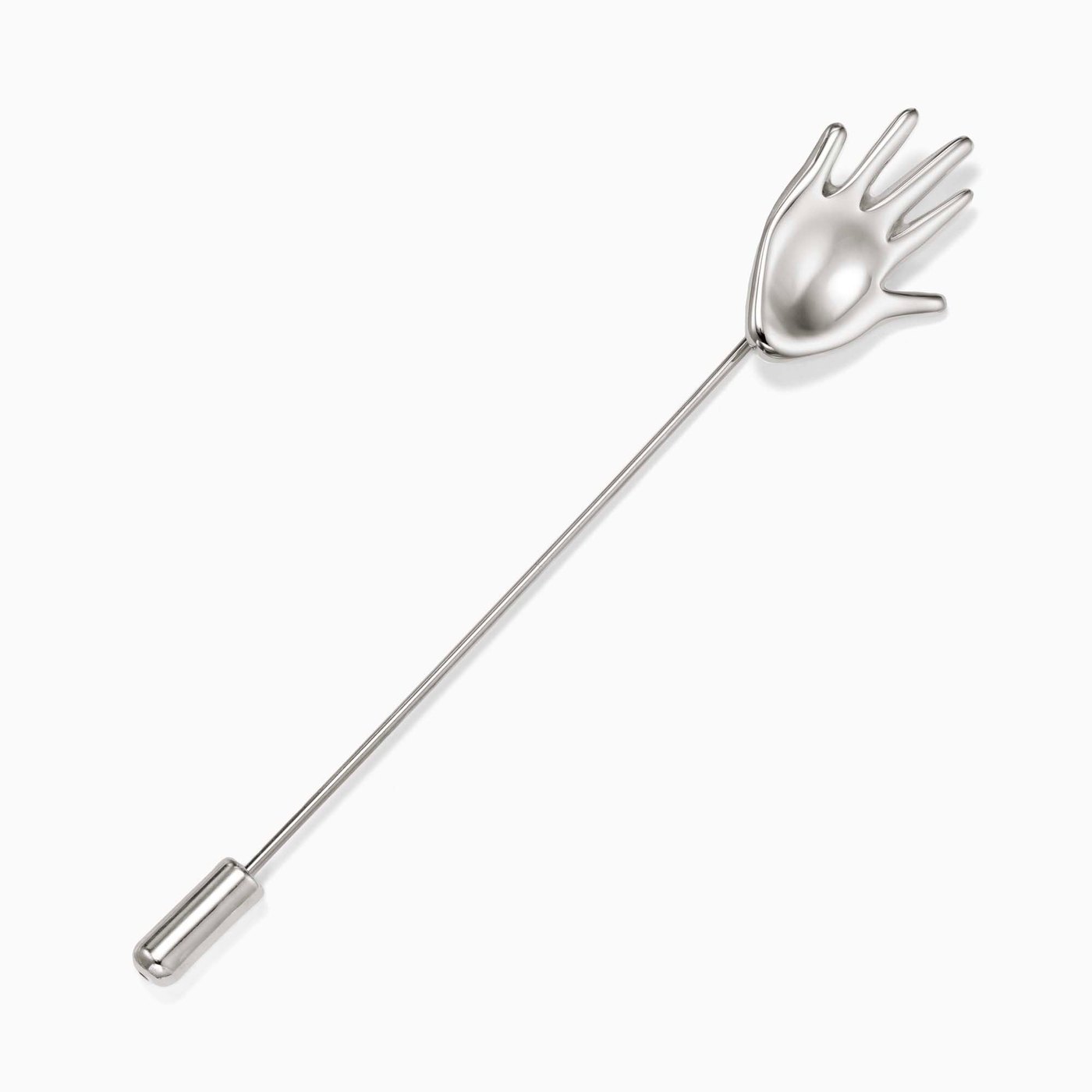
Get the sizing and proportion right
The most common regret with sculptural pieces isn't quality, it's scale. A dramatic earring that looks amazing on a model can overwhelm a smaller frame, and a delicate brooch can vanish on a heavy winter coat.
A few practical rules:
- Earrings: consider your face and neck length. Longer drop shapes flatter and elongate; compact sculptural studs read as modern and go with everything. If you have a hole that's stretched over years, check the post thickness.
- Brooches and pins: think about what fabric they'll live on. A slim hat pin or lapel pin wants structured fabric to hold it; a larger brooch needs a jacket or coat with enough body so it doesn't sag.
- Everyday vs. statement: be honest about which you're buying. A sculptural piece you'll wear weekly should be comfortable and secure. A once-in-a-while statement piece can be bolder.
When you shop online, use the listed dimensions and hold a ruler up to your own body rather than trusting the photo scale. Product images almost always make things look larger than they are.
Caring for silver so it lasts generations
Sterling silver tarnishes. That's normal chemistry, not a defect, and it's completely reversible. The heirloom promise only holds if you actually maintain the piece, and the good news is that it's easy.
- Store it dry and sealed. Air and humidity cause tarnish. A zip bag or a lined box with an anti-tarnish strip does most of the work.
- Wear it, or polish it. Regular wear actually keeps silver bright because skin contact buffs it. For pieces you store, a soft polishing cloth brings back the shine in a minute.
- Keep it away from chemicals. Perfume, lotion, chlorine, and cleaning products dull and can damage finishes. Rule of thumb: jewelry on last, off first.
- Skip the dips for textured pieces. Liquid silver dips can strip intentional oxidized or matte finishes on sculptural work. When in doubt, a cloth and warm soapy water is the safe route.
Bronze develops a patina over time, which some people love and some want to hold back. Ask the maker how they recommend caring for it; there's no single right answer.
Buying it as a gift (including gender-neutral pieces)
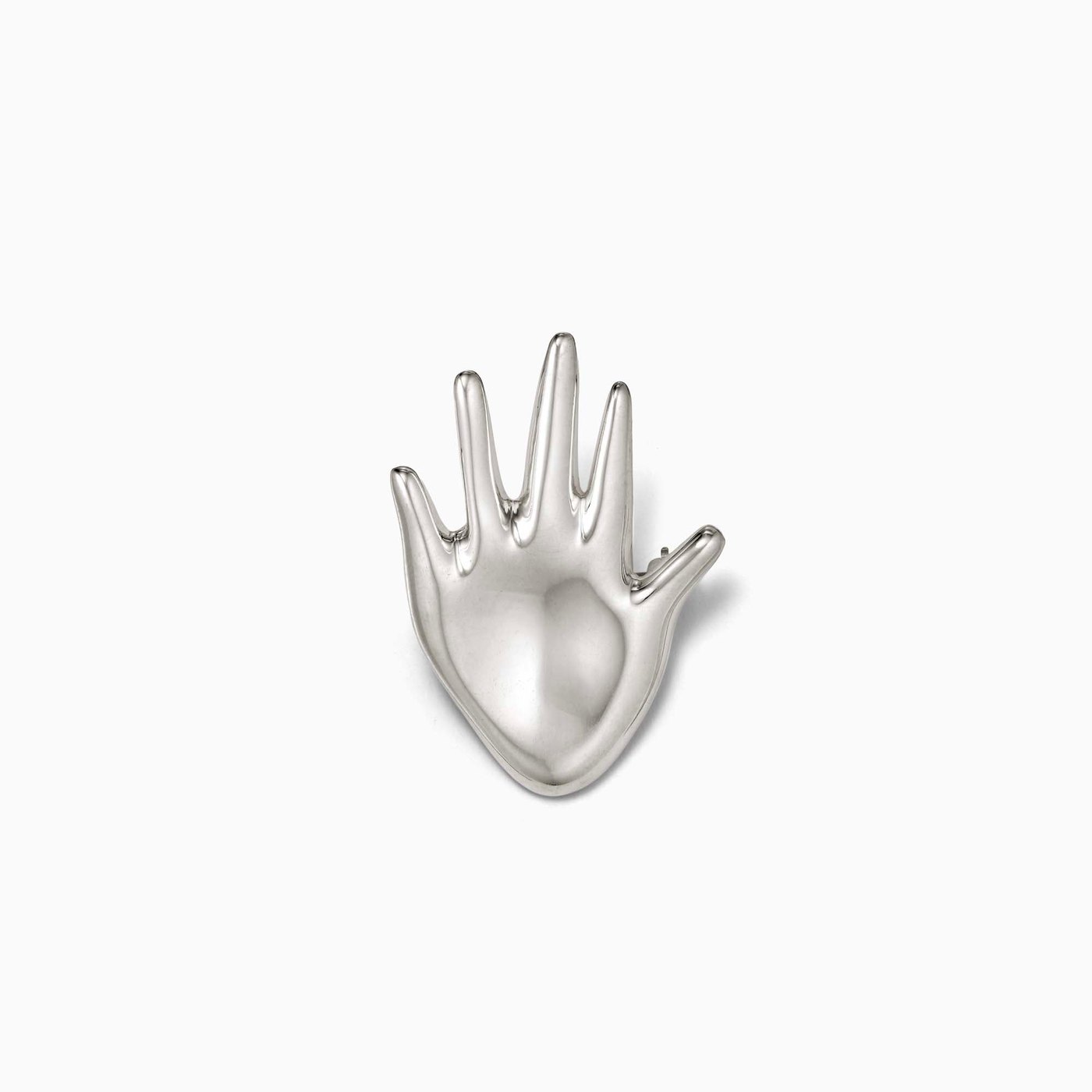
Sculptural fine jewelry gives well because it doesn't depend on nailing an exact size the way rings do. Earrings, brooches, and pins are forgiving. And the category has quietly become one of the best sources of gender-neutral gifts: tie tacks, lapel pins, and cufflinks are sculptural objects that work for anyone, sidestepping the tired "his and hers" split entirely.
If you're gifting, prioritize a versatile finish (polished or lightly textured silver goes with the most), keep the receipt or note the return window, and lean on solid materials so the piece survives being actually worn. A recycled-silver tie tack or a small sculptural brooch from a maker like AGMES is the kind of gift that gets kept, not drawered.
Frequently asked questions
Is sterling silver "fine jewelry"?Yes. Fine jewelry means solid precious metals (gold, silver, platinum) rather than base metals or plating. Solid 925 sterling qualifies; silver-plated does not.
Will sculptural pieces date quickly?Good ones are designed to resist trends. Shapes drawn from sculpture and architecture tend to age better than whatever's viral this season. Buy the shape you'll still like in ten years, not the one that's everywhere right now.
How much should I expect to pay?Artisan fine jewelry spans a wide range, from entry-level silver pieces up to premium solid-gold work. Rather than chase a number, decide your material tier first (recycled sterling, vermeil, or solid gold), then check current pricing within that tier across a few makers.
Recycled silver, is it real silver?Yes, chemically identical to newly mined silver. The only difference is sourcing, which is why it's a genuine sustainability point and not a quality compromise.
What's the safest first purchase?A solid sterling piece in a shape you'll wear often, from a maker who tells you clearly where and how it's made. That combination gives you the best odds of owning something for decades.
The short version: buy the metal and the maker, not the marketing. Get those right and a sculptural piece stops being an accessory and starts being an heirloom.
If that combination of recycled silver and honest, made-in-NYC craft is what you're after, the AGMES collection is a sensible place to see it applied across earrings, brooches and menswear pieces.
Disclosure: This post contains affiliate links. We may earn a commission from purchases made through these links at no extra cost to you. Prices and availability accurate at time of writing.
Disclosure: affiliate link — we may earn a commission at no extra cost to you.
Want gear like this on your content calendar?
Join AffluencerHub, get AI-matched to brand programs that fit your audience, and track every click to commission in one place.
Apply as a Creator