
Frame types, mattress fillings, UK sizing, and the online-buying details nobody warns you about.
TL;DR: The bed you sleep on is really two decisions stitched together: the frame (structure, storage, style) and the mattress (support, temperature, feel). Get them working together and you sleep better for a decade; get them mismatched and you fidget for years. If you want a design-led starting point that treats the frame as furniture rather than an afterthought, Feather & Black is a sensible place to begin browsing wooden, upholstered and storage beds alongside matching mattresses.

Buying a bed is one of those purchases people put off because it feels both boring and high-stakes. You will keep it far longer than a sofa, you cannot easily return it once it is built, and there are enough jargon words flying around (pocket-sprung, ottoman, medium-firm) to make the whole thing feel like homework. The good news is that most of the confusion clears up once you separate the two things you are actually buying and deal with them in order.
This guide walks through frame types first, then mattresses, then how to match the two, then the practical stuff about storage, sizing and buying online in the UK. No sales patter, just the decisions that matter.
Start with the frame, because it dictates everything else
People tend to fall in love with a mattress in a showroom and then treat the frame as decoration. That is backwards. The frame sets the height you climb into, whether you get storage, how the room feels, and even how your mattress is supported underneath. Sort it first.
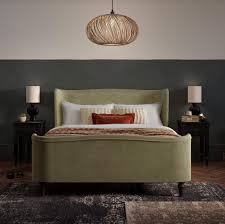
Wooden bed frames
Wooden frames are the default for good reason. Solid timber (oak, pine, ash and the like) is sturdy, ages well, and suits almost any bedroom from period cottage to clean modern box. A well-made wooden bed with a proper slatted base breathes underneath the mattress, which helps with moisture and airflow. It is the type of bed you can imagine keeping for fifteen years and still liking.
Things to check: solid wood versus veneered board (solid lasts and can be sanded back; veneer is lighter on the wallet but less forgiving of knocks), and whether the slats are sprung or rigid. Sprung slats add a gentle give that flatters most mattresses. A design-led retailer like Feather & Black leans heavily into this category, and it shows in the joinery and the finishes.
Upholstered bed frames
Upholstered frames wrap the structure in fabric, usually with a padded, buttoned or winged headboard. They feel soft, hotel-ish, and quiet (no timber creak), and the headboard is genuinely comfortable to lean against if you read in bed. The trade-off is maintenance. Fabric attracts dust and the occasional spill, so look for removable or at least vacuum-friendly covers, and factor in a fabric protector if you have kids or pets.
Ottoman and storage beds
If your bedroom is short on cupboard space, a storage bed earns its keep every single day. Two broad styles:
- Ottoman beds lift the entire mattress platform on a gas-strut mechanism to reveal a deep cavity underneath. Enormous capacity, hidden from view, ideal for spare duvets, seasonal clothes and luggage. Check the strut quality and the direction it lifts (side-opening versus end-opening) against the room layout.
- Drawer storage beds build two or four drawers into the base. Less total volume than an ottoman, but you can grab things without lifting the whole bed, and no mechanism to wear out.
One honest caveat: storage bases are usually solid platforms rather than open slats, so airflow is reduced. That makes your mattress choice matter more (see below).
Divans and children's beds
Divan bases pair a fabric-covered box (often with drawers) directly with a mattress and headboard. They are practical and space-efficient rather than a design statement. Children's beds are their own category, with lower heights, sturdier fixings for the inevitable jumping, and options like mid-sleepers with a desk or storage below.
Then choose the mattress by how you actually sleep
Once the frame is settled, the mattress is mostly about your body and your sleep style. Three fillings dominate the UK market.
Pocket-sprung
Individual springs, each in its own fabric pocket, move independently. That means support that responds point by point and less disturbance when a partner rolls over. Pocket-sprung mattresses tend to sleep cool and feel traditionally bouncy. Spring count is quoted a lot; treat very high numbers with mild scepticism, because past a point it is more marketing than sensation. What matters more is the quality of the springs and the comfort layers on top.
Memory foam
Memory foam moulds to your shape and relieves pressure at the hips and shoulders, which side sleepers and anyone with achy joints often love. The classic complaints are heat retention and a slightly "stuck" feeling. Modern foams address both with open-cell structures and cooling gels, but if you sleep hot, go in with your eyes open and prioritise breathable versions.
Hybrid
Hybrids put a pocket-spring core under a foam or latex comfort layer, aiming for the support and airflow of springs with the pressure relief of foam. For a lot of people this is the sensible middle path, and it pairs especially well with solid-platform storage beds because the sprung core keeps some structure.
Firmness, briefly
Firmness is personal, not a quality rating. As a rough guide: heavier bodies and back sleepers usually want firmer support; lighter bodies and side sleepers usually want more give. Couples with very different needs should look at mattresses with a bit of zoning, or accept a medium-firm compromise that suits both reasonably rather than one person perfectly.
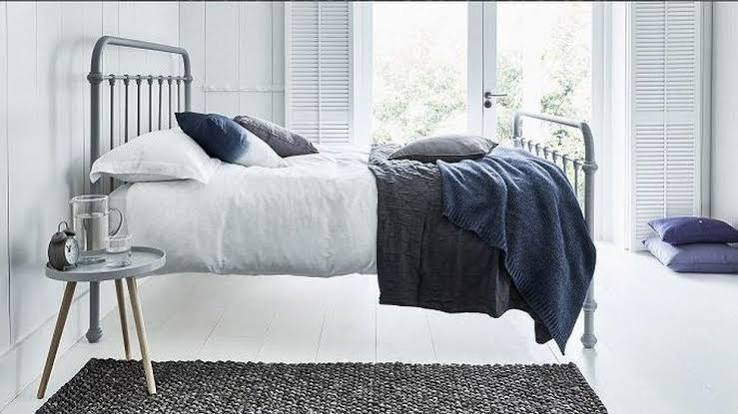
Matching frame to mattress (the step most people skip)
This is where the two decisions meet, and getting it wrong is the most common mistake.
- Slatted wooden or upholstered frames breathe well and suit almost any mattress. If the slats are widely spaced, a firmer or spring-based mattress bridges the gaps better than a soft all-foam one that can sag between slats.
- Ottoman and solid-base storage beds cut airflow, so a mattress that manages heat and moisture (pocket-sprung or a breathable hybrid) is the safer partner. All-foam on a sealed base can trap warmth.
- Depth matters. A very deep mattress on a low frame with a tall footboard can look odd and make sheets a battle. Check that your fitted sheets will actually reach.
Sizing: the UK cheat sheet
UK bed sizes are their own thing, so ignore US or European charts. From smallest up: Single, Small Double (the "three-quarter" bed, great for box rooms and taller single sleepers), Double, King, and Super King. Two rules save grief. First, buy the biggest that leaves comfortable walking space around the bed, roughly a foot on each side you use. Second, buy the frame and mattress in the same size standard from the same market, because a "king" is not the same measurement everywhere, and a mattress that is fractionally off will slide and gap.
Bedroom storage and the wider set
If you are buying a bed you may as well think about the room as a whole. Matching wardrobes, chests of drawers and bedside tables in the same wood tone or finish pull a bedroom together far more than mixing bargains from three different places. Storage beds reduce the pressure on wardrobes; a wall of drawers reduces the pressure on the bed. Balance the two to the room you actually have. Ranges built to coordinate, which is where a furniture-led retailer like Feather & Black tends to do well, make this easier than assembling piecemeal.
Buying a bed online in the UK: the fine print
Beds are big, heavy, and awkward, so the logistics are half the purchase.
- Delivery. Look for two-person delivery and, ideally, delivery to the room of your choice rather than a box dumped at the door. Confirm lead times up front, because quality frames and mattresses are often made to order and can take weeks.
- Assembly. Some frames need building. Check whether assembly is offered, how many boxes arrive, and whether old-mattress removal is available (it usually costs extra and is worth it).
- Access. Measure your doorways, stairwells and any tight corners before ordering a Super King. A bed that will not go up the stairs is a genuinely common and expensive mistake.
- Trial and returns. Many mattress sellers offer a sleep trial so you can test it at home for a set period. Read the terms: some require the mattress to be unmarked, some charge a collection fee, and frames are frequently non-returnable once assembled. Pricing across the market spans entry, mid and premium bands; decide your band before you shop and check current pricing rather than chasing a headline discount.
FAQ
How long should a bed last? A good frame can run well over a decade. Mattresses are shorter-lived; most people should reassess after roughly seven to eight years, sooner if you wake up achy or can feel the springs.
Do I need a new mattress if I buy a new frame? Not necessarily, but check the sizing matches and that your existing mattress suits the new base (an old soft mattress on a wide-slatted frame will sag).
Is a storage bed worth losing airflow? In a small bedroom, usually yes, as long as you pair it with a breathable pocket-sprung or hybrid mattress and air the room.
Firm or soft? Match it to your sleep position and weight, not to a belief that firmer is healthier. It is not.
Should I buy frame and mattress together? It is the easiest way to guarantee they fit and are supported correctly, and it often simplifies delivery. Just make sure each part is genuinely right rather than bundled to hit a price.
The short version: treat the frame as furniture and the mattress as a health decision, match them deliberately, measure your access twice, and read the delivery and trial terms before you fall for a photo. Do that and the boring purchase becomes the one you are quietly grateful for every morning.
Disclosure: This post contains affiliate links. We may earn a commission from purchases made through these links at no extra cost to you. Prices and availability accurate at time of writing.
Disclosure: affiliate link — we may earn a commission at no extra cost to you.
Want gear like this on your content calendar?
Join AffluencerHub, get AI-matched to brand programs that fit your audience, and track every click to commission in one place.
Apply as a Creator