
What separates a pair you keep for a decade from one you replace every summer.
TL;DR: Cheap aviators fail at the hinges and the lenses first, so the smart money goes toward metal frames, quality glass or polycarbonate lenses, and a real repair path. If you want a durable, American-made benchmark to measure others against, Randolph is a good reference point for what "built to last" looks like at the premium end.
Aviators are one of those designs that never really leaves. The teardrop lens and thin metal bridge have been around since the 1930s, and the shape still flatters more faces than almost anything else in the sunglass world. The problem is that the look has been copied into every price tier, and most of those copies are disposable. If you have ever had a pair snap at the temple hinge or watched the coating flake off the lens after one beach trip, you already know the difficulty. This guide walks through how to buy a pair that survives years of actual use, not just one photogenic season.
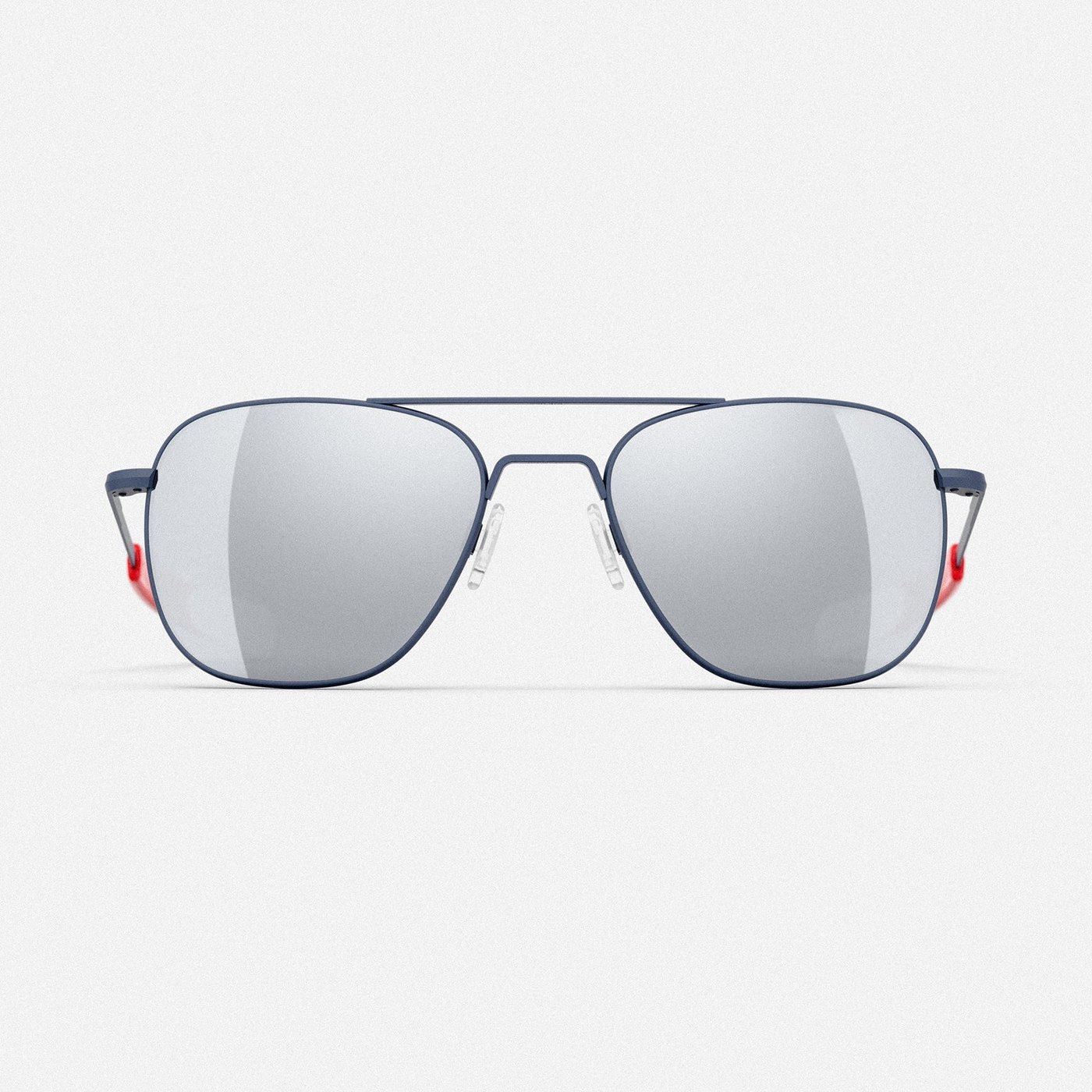
Start with the lens, not the logo
The lens is the part of the sunglasses doing the actual work, so it deserves the first hard look.
Glass vs. polycarbonate. Glass lenses win on optical clarity and scratch resistance. They stay clear for years, resist hazing, and generally give a crisper view. The trade-offs are weight and impact behavior: glass is heavier on the nose and can shatter under a hard enough hit. Polycarbonate (and similar plastics like Trivex) is far lighter and much harder to break, which is why it dominates sports and safety eyewear. The downside is that plastic scratches more easily unless it carries a good hard coat. Neither is objectively "better"; they suit different lives. A pilot or driver who values clarity and treats their glasses carefully leans glass. A trail runner or someone who tends to sit on their sunglasses leans polycarbonate.
Polarized or not. Polarized lenses cut glare bouncing off water, roads, and car hoods, and most people find them more comfortable for driving and anything near water. The catch is that polarization can make some LCD screens (car dashboards, phone displays, certain cockpit instruments) hard to read at some angles. If you spend your day looking at digital gauges, think twice. For general outdoor use, polarized is usually the more comfortable pick.
Tint matters more than people think. Tint is about contrast and comfort, not just darkness. Gray keeps colors neutral and is the safe all-rounder for bright sun. Brown and amber lift contrast, which helps in variable light and looks good against green and blue backgrounds. Green sits in between. Mirror coatings knock down more light and hide your eyes, useful at altitude or on the water, but the coating is one more thing that can wear. Whatever the tint, confirm the lenses block the full UV range; that is a health feature, not a style one, and it should not cost extra.
Judge the frame like you'll drop it
Because you will. Frame durability comes down to material and construction.
Metal frames, done right, outlast plastic ones. Look for monel, stainless steel, or titanium. Titanium is the lightest and most corrosion-resistant, which is worth it if you sweat a lot or live near the coast. The most common failure point on any metal aviator is the solder joint where the temple arms and bridge meet the frame front. On a well-made pair those joints are properly soldered and hold for years; on a cheap pair they crack. Flex the arms gently in the store and feel for anything loose or gritty in the hinge. Spring hinges add comfort but add complexity, so they are only a plus if they are built well.
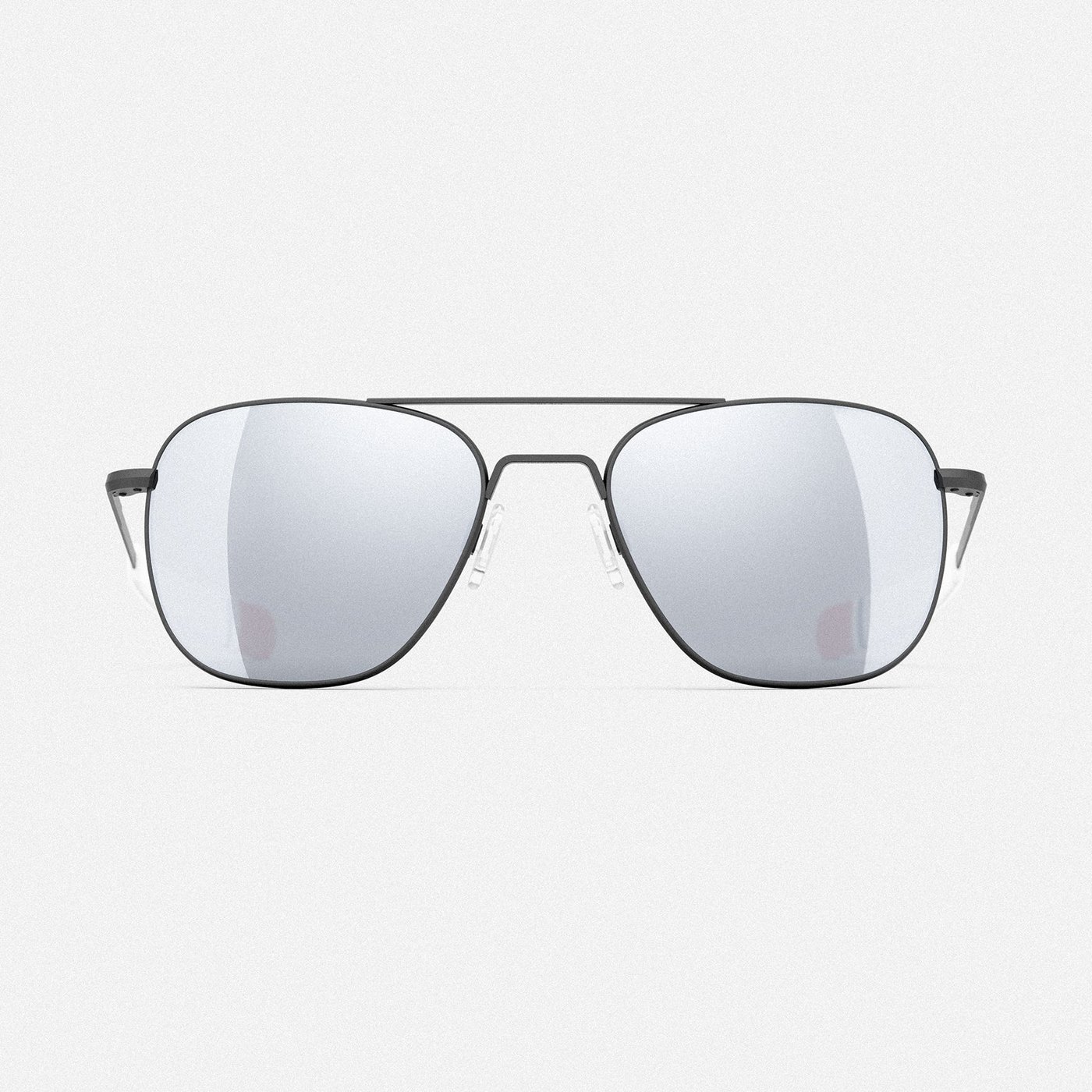
Fit is where most people go wrong
A durable pair you never wear is a waste. Aviators are traditionally sized on the larger side, and the classic look wants the lens to sit with the widest part around your cheekbone and the bottom edge above the cheek so they don't smudge or ride when you smile. If the frame front is wider than your face, the arms will bow out and the glasses will slide; too narrow and they pinch. Adjustable nose pads are a quiet advantage here because they let you fine-tune how high the glasses sit and stop them from sliding down a sweaty nose. If you can, try a couple of lens sizes; the same model in a smaller size can completely change the look on a narrower face.
American-made and warranty: why they belong in the same sentence
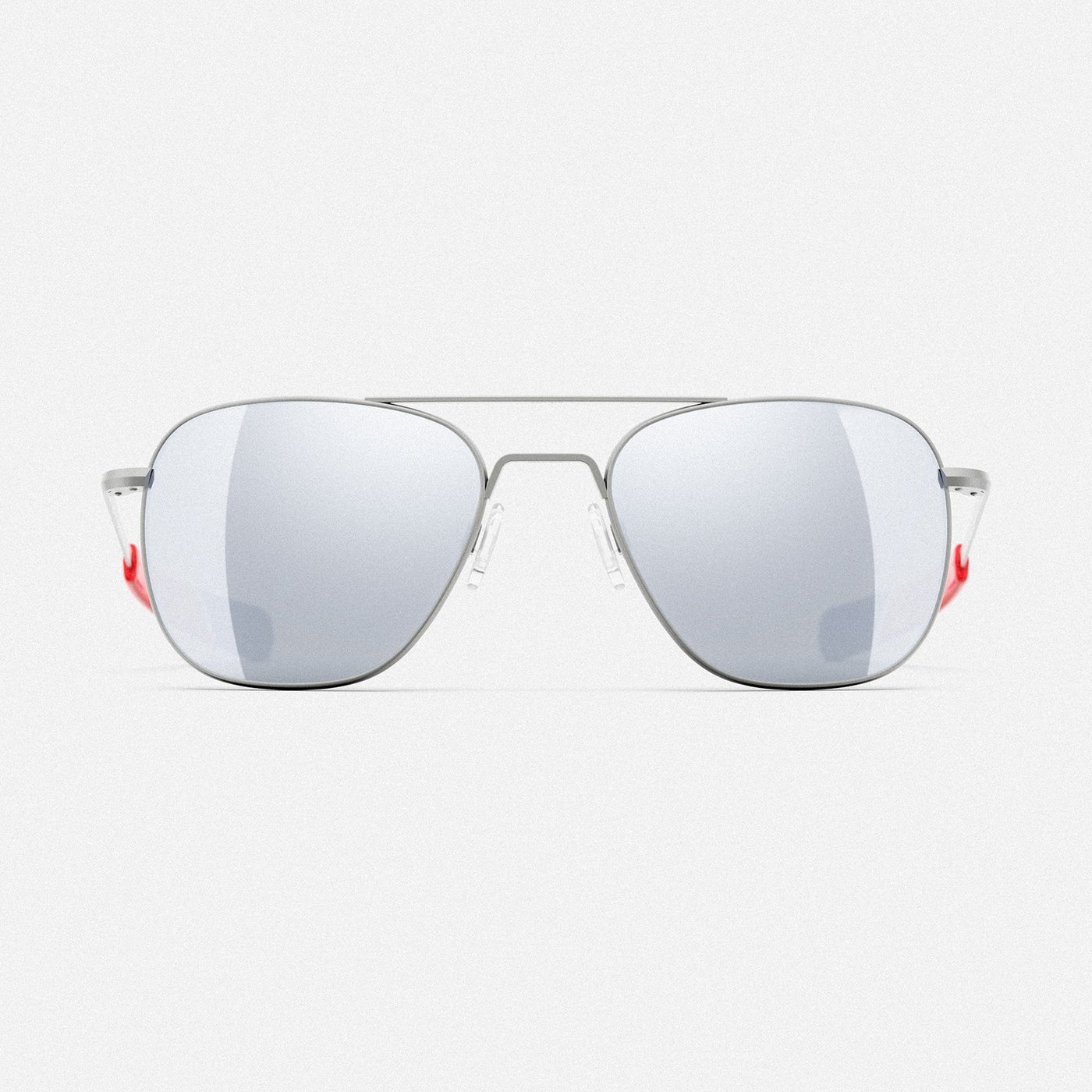
"Handcrafted" gets thrown around loosely, but there is a practical reason to care about where and how sunglasses are built. Brands that assemble in their own facilities tend to control the joints, the lens fitting, and the finish more tightly, and they are more likely to stand behind the result. A brand like Randolph, for example, is made in Massachusetts and offers a lifetime warranty on its solder joints (brand-stated), which tells you they expect those joints to survive normal use. That kind of guarantee is not just marketing; it changes the math. A pair at a premium price band that you can repair or re-lens for years can cost less over a decade than replacing a mid-band pair every couple of summers.
Two things to check before you lean on any warranty claim: what exactly it covers (frame, joints, coating, or "manufacturing defects" only) and whether the brand sells replacement parts. The ability to buy new lenses or fit prescription lenses into the same frame is arguably the single biggest factor in whether sunglasses last, because lenses wear out long before a good metal frame does. A frame you can re-lens is a frame you keep.
Common mistakes to avoid
- Buying on looks alone at a gas station price. The shape might be right, but the hinges and coatings usually are not built for repeat use.
- Ignoring UV because a lens is dark. Darkness and UV protection are unrelated. A dark lens with no UV filter can be worse than none, since it opens your pupils wider.
- Assuming polarized is always better. Great near water and roads, occasionally annoying with screens and instruments.
- Skipping the case. Most lens scratches happen off your face, loose in a bag. A hard case is the cheapest durability upgrade you can make.
- Overlooking prescription options. If you need correction, check that the frame accepts Rx lenses before you fall in love with it.
FAQ
Are glass lenses worth the extra weight?For clarity and long-term scratch resistance, many people think so, especially drivers and pilots. If impact resistance or a featherweight feel matters more, polycarbonate is the sensible call.
How much should I spend?Think in bands rather than numbers. Entry-band aviators are fine for a season or a backup. Mid-band buys you better hinges and coatings. Premium-band gets you metal frames, better lenses, and usually a repair path. Check current pricing against how long you actually keep sunglasses; the durable option often wins on cost per year.
Can I put prescription lenses in aviators?Often yes, if the frame and lens shape allow it. Brands that offer Rx and replacement lenses (Randolph among them) make this straightforward; confirm your prescription range is supported.
Do I need titanium?Not necessarily. Titanium is lighter and more corrosion-resistant, which helps coastal or high-sweat users. Well-made monel or stainless is perfectly durable for most people.
How do I keep them alive longer?Rinse salt and sweat off, dry with a proper cloth rather than your shirt, store them in a hard case, and get the hinges checked if they loosen. Most "broken" sunglasses died from neglect, not a fair fight.
If you want to see what that durable, American-made benchmark looks like in glass-lensed aviators, browse the Randolph line-up and measure everything else against it.
Disclosure: This post contains affiliate links. We may earn a commission from purchases made through these links at no extra cost to you. Prices and availability accurate at time of writing.
Disclosure: affiliate link — we may earn a commission at no extra cost to you.
Want gear like this on your content calendar?
Join AffluencerHub, get AI-matched to brand programs that fit your audience, and track every click to commission in one place.
Apply as a Creator