
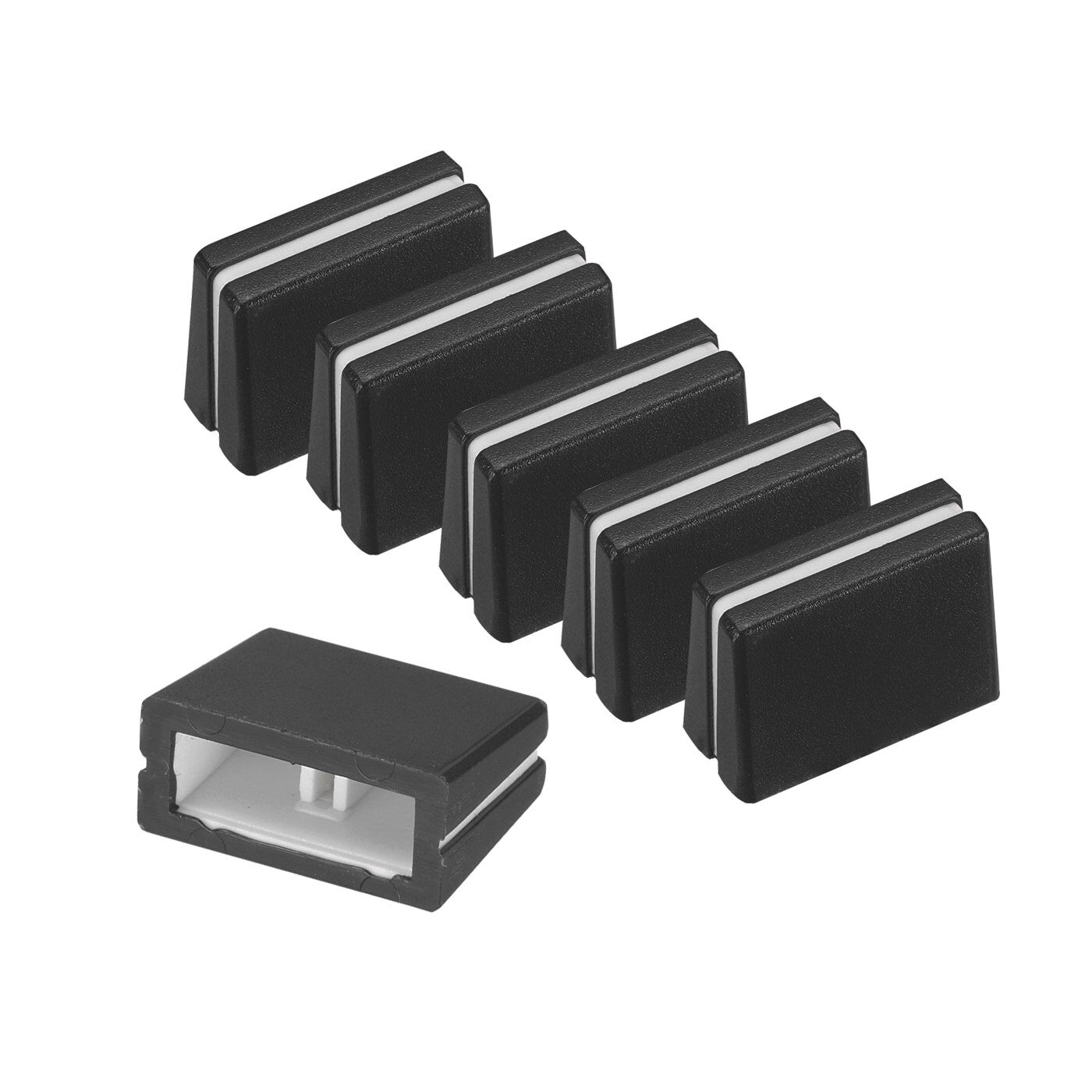
The secret shame of online hardware shopping is the drawer of almost-right parts everyone accumulates — the bolt that's a thread too fine, the grommet a millimetre too big, the clamp that doesn't quite close. Buying maintenance, repair, and operations (MRO) parts online from a specialist like Harfington is a genuine time-saver, but only if you order the right thing the first time. Here's how to do that. Links below use our affiliate tracking and open Harfington.
Measure the thing you're matching, not the thing you remember
Almost every wrong-part order starts with a guessed measurement. Before you search, measure the actual item — the existing bolt, the port you're sealing, the slot you're filling — with calipers if you have them, a ruler if you don't. Note diameter, length, and thickness, and for anything threaded, the thread size and pitch. Hardware is unforgiving: "about 8mm" and "M8" are not the same conversation, and a part that's close rarely fits. The two minutes spent measuring save the week spent waiting for a replacement.
If you do any amount of repair work, a cheap pair of digital calipers pays for itself the first time it stops a wrong order. They read diameters, depths, and gaps far more accurately than a ruler, and for fasteners a simple thread gauge removes the guesswork between, say, an M6 and an M8 or a fine versus coarse pitch. Precise measuring tools are not an indulgence here; they are the single best insurance against the drawer of almost-right parts, because the whole game is matching your spec to the listing exactly.
Learn to read a parts listing properly
A specialist store gives you the spec precisely because the spec is what matters — so read it, not just the photo. The listing's dimensions, material, finish, and any thread or size standard are the real description; the image only shows the shape. When a page offers a range of sizes or materials, that's a feature: it means the exact variant you need probably exists, if you match your measurements to the options rather than grabbing the first one.
When a part is critical, cross-check beyond the title. Compare the listing's stated dimensions against your own measurements rather than trusting the product name, look at any technical drawing or spec table the page provides, and read the questions and reviews where buyers often flag whether a part runs small, large, or differs from the photo. Two minutes of cross-checking on a load-bearing or sealing part is far cheaper than ordering twice. The listing spec is the contract, so make sure it actually matches what you measured before you commit.
Match the material to the job
Shape isn't the only spec. A part that has to resist weather, carry load, seal pressure, or handle heat needs the right material, not just the right dimensions. Stainless versus plain steel, nitrile versus silicone, nylon versus metal — these choices decide whether a repair lasts or fails. If a component is doing real work, spend a moment confirming the material suits the environment, because the correct size in the wrong material is still the wrong part.
Buy the right quantity
A lot of MRO shopping is really about quantity. Small parts — washers, O-rings, clips, fasteners — are cheapest and most convenient bought in sensible multi-packs, and you almost always want a few spares for the ones you'll inevitably drop or strip. Conversely, don't over-order a large or specific item you only need once. Think about how many you'll realistically use, including spares, and buy to that.
Grouping an order also saves on shipping. Because an international order carries a delivery cost and lead time, it pays to batch the parts for a project, plus the spares you know you will want, into one order rather than drip-ordering a piece at a time. A little planning before you check out, listing every component the job needs, means one shipment instead of three and no mid-project wait for the one fastener you forgot.
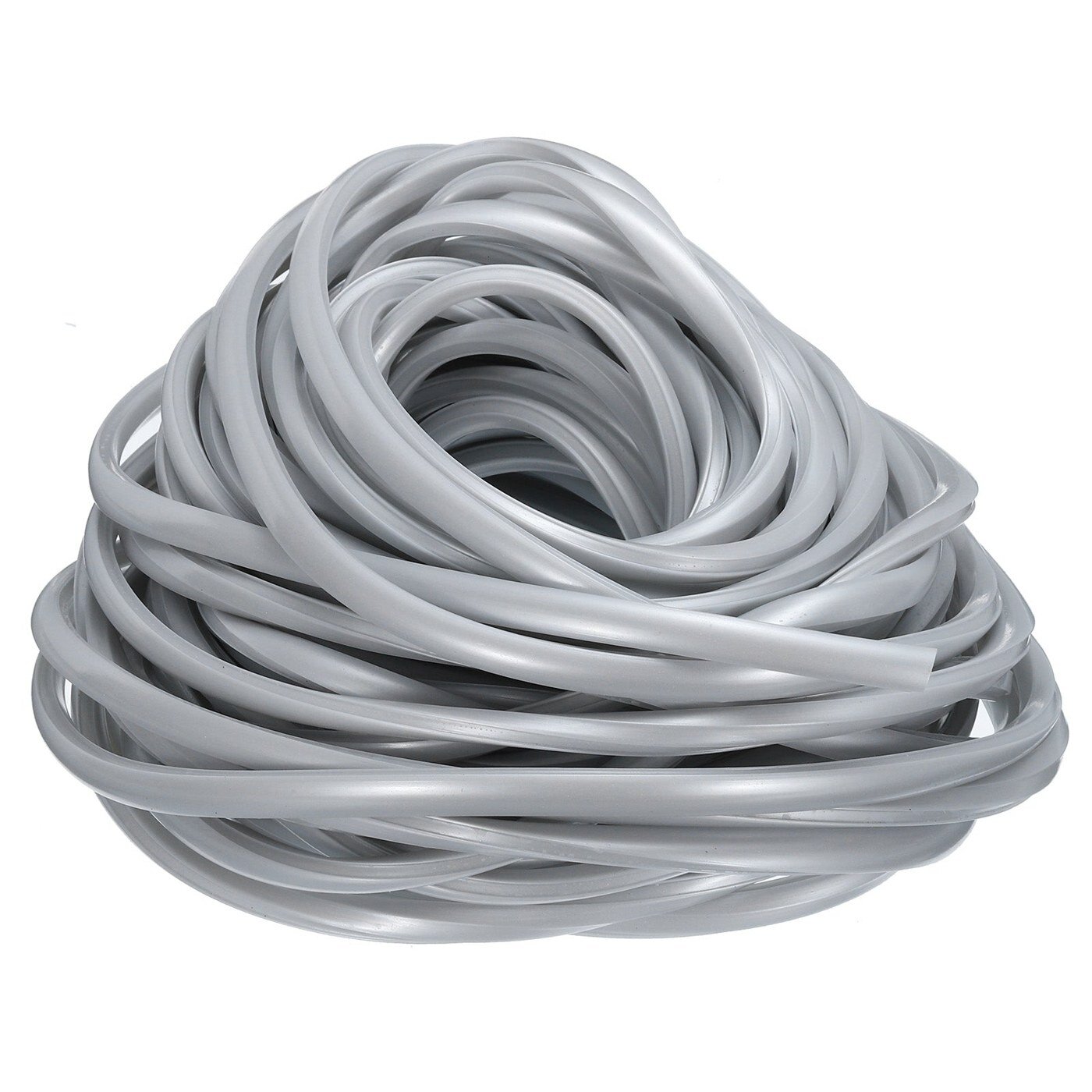
Plan for shipping, and keep your specs
Because an international store ships to you rather than sitting down the road, build in lead time — order planned projects with a buffer, and source locally for a same-day emergency. One more habit saves future hunts: once you've found a part that fits, save the listing or note the exact spec. The next time the same grommet perishes or the same bracket breaks, you reorder in seconds instead of starting the search over.
Keep a simple parts log
The habit that separates people who dread hardware shopping from people who breeze through it is record-keeping. Every time you find a part that fits — the right bulb, the exact bracket, the correct O-ring — note the spec and the source somewhere you'll find it again: a phone note, a spreadsheet, a photo of the packaging. Hardware failures repeat; the tap washer that perished will perish again, the bracket that broke has a twin on the other side. A two-line log means next time you reorder in seconds instead of re-measuring and re-searching from scratch. It also stops you buying duplicates of things you already have in a drawer. For anyone maintaining a home, a vehicle, or equipment over years, this tiny bit of admin pays back repeatedly and turns a specialist parts store into something close to a personal catalogue.
A pre-order checklist
| Step | Why it matters |
|---|---|
| Measure the actual item (calipers if possible) | Guessed sizes cause most wrong orders |
| Read the full spec, not the photo | Dimensions, material, and thread decide fit |
| Match material to the job | Right size, wrong material still fails |
| Buy a sensible quantity + spares | Small parts are cheaper in packs |
| Order with shipping lead time | International delivery isn't same-day |
| Save the spec once it fits | Reorder in seconds next time |
FAQ
How do I avoid ordering the wrong part? Measure the item you're matching precisely, read the listing's full spec (dimensions, material, thread), and match those to the options rather than guessing.
Why does material matter as much as size? A part that resists weather, load, heat, or pressure needs the right material. The correct dimensions in the wrong material will still fail.
Should I buy in multi-packs? For small parts like washers, O-rings, and fasteners, yes — they're cheaper in sensible quantities and spares are always useful.
How long will delivery take? As an international store, plan for more than a same-day local run. Order planned jobs with a buffer and keep local options for emergencies.
Need a specific part done right the first time? Measure up, then match your spec at Harfington.
Disclosure: This post contains affiliate links. We may earn a commission from purchases made through these links at no extra cost to you. Products and pricing were accurate at the time of writing.
Affiliate link — we may earn a commission at no extra cost to you.
Want gear like this on your content calendar?
Join AffluencerHub, get AI-matched to brand programs that fit your audience, and track every click to commission in one place.
Apply as a Creator