
A side-by-side look at the value champion and the ease-of-use benchmark — and which one actually suits how you print.
TL;DR: Bambu Lab wins on out-of-box polish and a seamless ecosystem. Creality wins on price-per-capability, open materials, and range. The right pick hinges on whether you value plug-and-play or flexibility.
Why this is the comparison everyone's making
A couple of years ago Bambu Lab reset expectations for consumer 3D printing — fast, quiet, and genuinely plug-and-play. Creality, the long-time volume leader, answered by pushing its enclosed K-series hard on speed, heated chambers, and multicolor at lower prices. So now these two are cross-shopped constantly, and the honest answer to "which is better" isn't a brand — it's a fit. This breaks down where each genuinely leads.
One framing worth keeping in mind: Bambu built a tight, polished, somewhat closed experience. Creality leans open — open materials, open community, more models, more tinkering headroom. Neither philosophy is wrong; they attract different makers.
At a glance
| Feature | Creality (K-series) | Bambu Lab |
|---|---|---|
| Out-of-box ease | Very good now | Class-leading |
| Price for capability | Lower | Higher |
| Ecosystem | Open (3rd-party filament, big community) | Polished, more closed |
| Multicolor | CFS (4-spool) | AMS (benchmark) |
| Materials | Heated chamber on K2 (ABS/ASA/CF) | Strong, enclosed |
| Model range | Very wide (Ender → K2 → resin) | Narrower, focused |
| Best for | Value, flexibility, tinkering | Plug-and-play simplicity |
Head-to-head
1. Out-of-the-box experience
Bambu's reputation is earned here: unbox, calibrate, print, with minimal fuss. Creality's K-series has closed much of the gap with auto-calibration and modern firmware, but Bambu still feels the most frictionless for a complete beginner. If your priority is "it just works on day one with zero learning," that's Bambu's lane.
Winner: Bambu Lab.
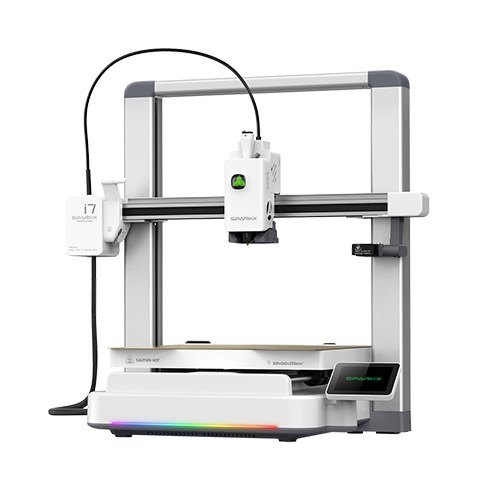
2. Price for what you get
This is Creality's core argument. Across comparable capability — speed, enclosure, multicolor — Creality generally lands at a lower price. The K2 Plus in particular offers a heated chamber and multicolor at a cost that undercuts equivalent setups. If you're capability-per-dollar driven, Creality makes the stronger case.
Winner: Creality.
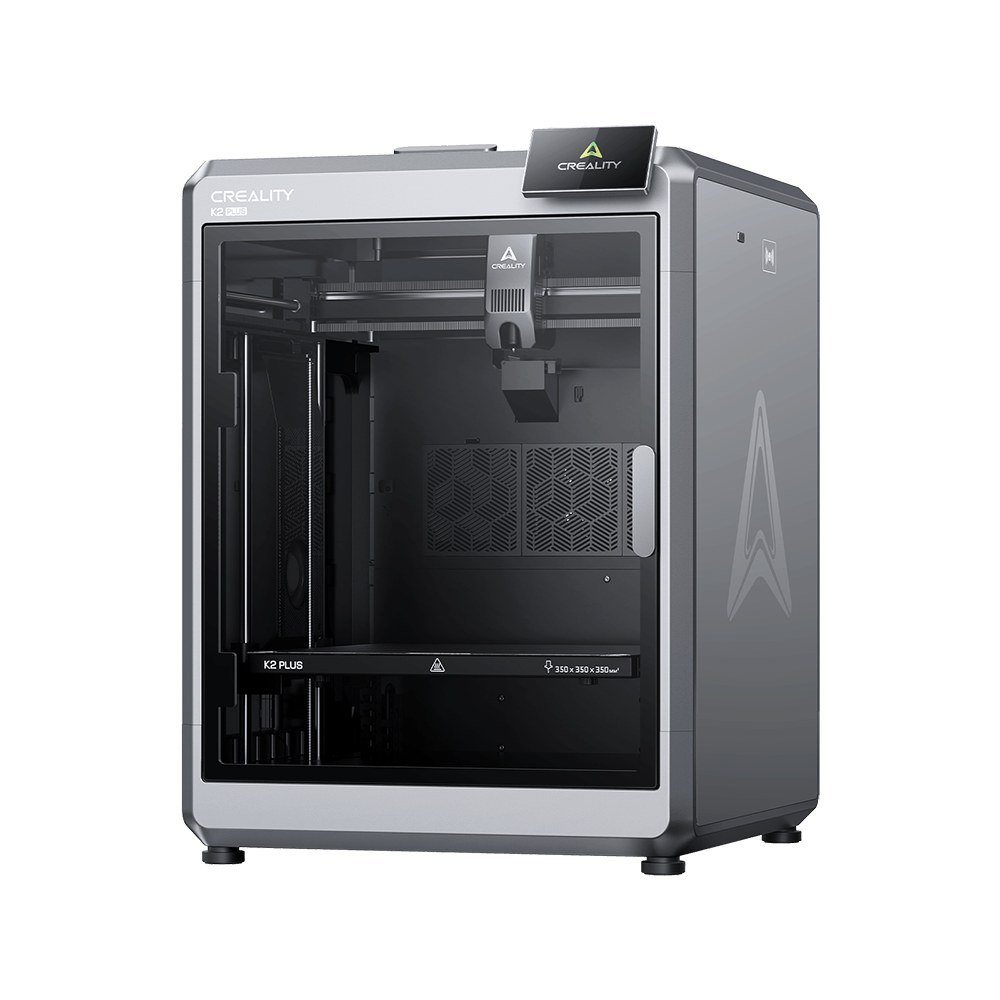
3. Multicolor
Both solve multicolor with a multi-spool unit — Bambu's AMS is the polished benchmark, Creality's CFS is the four-spool answer. Bambu's is generally regarded as the more refined experience; Creality's does the job at lower cost. Both waste some filament on colour changes (that's inherent to the approach, not a brand flaw). If multicolor is central to you, Bambu edges it on refinement; Creality on price.
Winner: Bambu on polish, Creality on value.
4. Materials and the enclosure
Creality's K2 Plus brings an actively heated chamber, which helps with warp-prone engineering materials (ABS, ASA, carbon-fibre blends). Bambu's enclosed machines also handle tougher materials well. This one's closer to a tie — both are capable; check the specific model's chamber temperature against the materials you plan to run.
Winner: Tie, model-dependent.
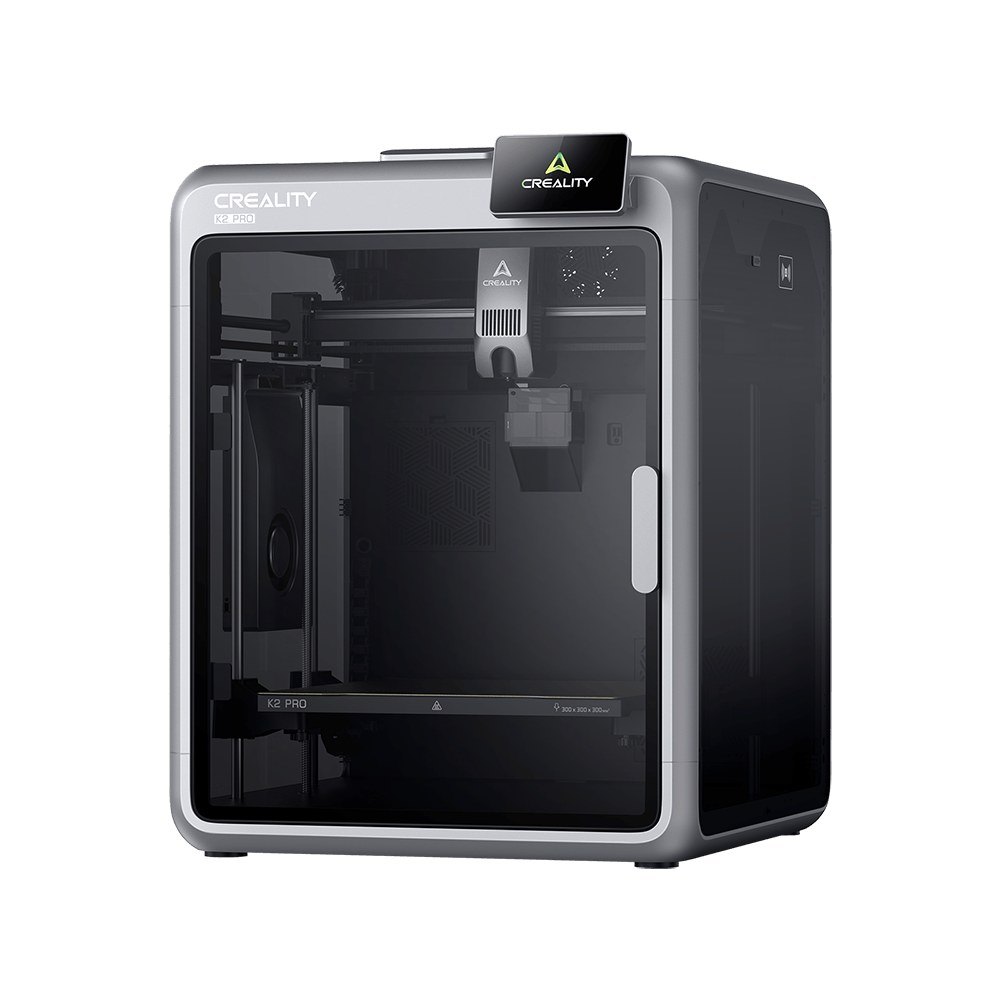
5. Ecosystem and repairability
Here's the philosophical split. Creality's open approach means third-party filament, a huge community, and lots of tinkering headroom — valuable when you want to fix or upgrade. Bambu's ecosystem is smoother but more closed. If you like to own and modify your gear, Creality; if you want a sealed appliance experience, Bambu.
Winner: Creality for tinkerers; Bambu for appliance-seekers.
Real-world scenarios
- If you're a total beginner who wants zero fuss → Bambu Lab.
- If you want the most capability per dollar → Creality.
- If you tinker, mod, and use third-party filament → Creality's open ecosystem.
- If polished multicolor is the whole point → Bambu's AMS edges it.
- If you want one brand spanning budget to workshop → Creality's range is wider.
The verdict
Neither brand is universally "better," and reviews that crown one are skipping the real question. For a first-time buyer who values a frictionless, polished experience above all, Bambu Lab is the safe default. For makers who want maximum capability per dollar, open materials, tinkering room, and a range that scales from a cheap Ender to an enclosed multicolor workshop machine, Creality is the stronger long-term pick.
Decide by temperament: plug-and-play points to Bambu; flexibility and value point to Creality. If the latter sounds like you, look at Creality's current lineup here and match the tier to your materials.
FAQ
Q: Is Creality really as easy as Bambu now?A: Close, not identical. The K-series auto-calibrates and prints fast out of the box, but Bambu still holds a slight edge on first-day frictionlessness. The gap is much smaller than it was.
Q: What about Prusa?A: Prusa is the third name to shortlist — open-source pedigree and a strong support reputation, generally at a higher price per build volume. Worth a look if support and reliability history top your list.
Q: Will Creality's cheaper machines last?A: The Ender line has a long track record and a huge community for troubleshooting. Treat entry machines as tinker-friendly; the enclosed K-series is the more hands-off option.
Disclosure: This post contains affiliate links. We may earn a commission from purchases made through these links at no extra cost to you. Prices and availability accurate at time of writing.
Disclosure: affiliate link — we may earn a commission at no extra cost to you.
Want gear like this on your content calendar?
Join AffluencerHub, get AI-matched to brand programs that fit your audience, and track every click to commission in one place.
Apply as a Creator