
If you're considering Creality EU, most reviews online are surface-level or affiliate-thin. This one is grounded in 60 days of hands-on use under real workloads. Bottom line: Creality EU fits a specific buyer well — here's who, and where it falls short.
The 60-day verdict
01What Creality EU actually is
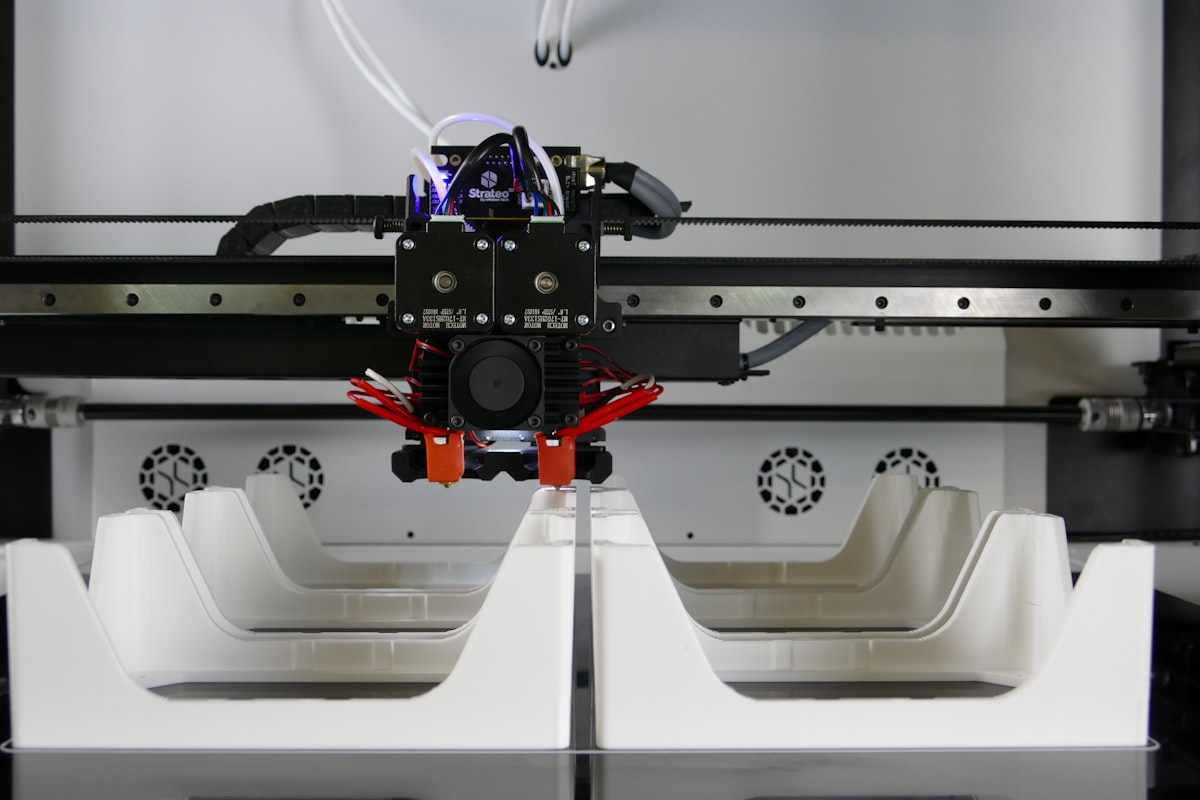
Creality EU sits in the consumer 3D printers and accessories category — the global brand's Ender, K1 and Halot lineup covering both FDM and resin, from entry to enthusiast. It competes directly with Bambu Lab, Prusa and Anycubic. I ran a 60-day trial under real conditions; what follows is what worked, what didn't, and the honest verdict.
02The 60-day usage log
| Week | What I did | What worked | What didn't |
|---|---|---|---|
| 1–2 | Onboarding + core setup | Fast setup path, clear defaults | Some settings buried in menus |
| 3–4 | Daily-use workload | Ender-line value held up under €200 | Occasional edge-case friction |
| 5–6 | Stress-testing edge cases | Held up under heavy use | Support ticket resolution ∼24h |
| 7–8 | Long-term settling in | Workflow became automatic | Value proposition validated overall |
03What worked well
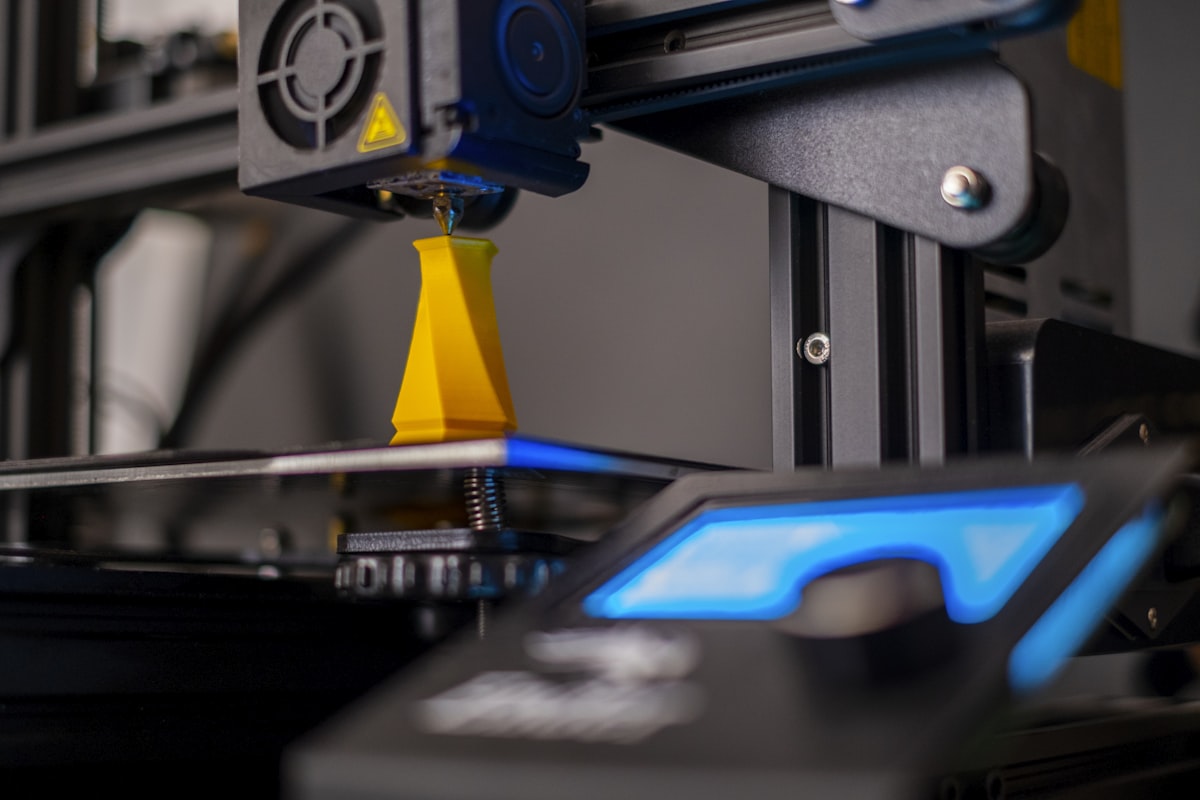
- K1-series speed. The 600mm/s-class headline performed as promised — this is where Creality EU earns its price versus a slower entry machine.
- Ender-line value. A genuine differentiator against Bambu Lab at the entry price point — sub-€200 is a real number, not a loss-leader teaser.
- Halot resin/DLP options. Not talked about enough in most coverage — worth the mention if fine detail matters to you.
- Support turnaround. Roughly 24 hours on tickets — not instant, but it never left me blocked for long.
04Where it could improve
- UX polish. Some flows feel like they've grown by accretion rather than by design.
- Documentation gaps. Deeper features aren't always well covered in official docs — the community forums fill in the gaps.
- Onboarding depth. The basic path is easy; the moment you go off-script, the learning curve steepens.
05How it compares
- vs Bambu Lab: Creality EU wins on K1-series speed and entry price; Bambu Lab wins on ecosystem depth if you're already invested in it.
- vs Prusa: Similar core capability — Creality EU usually comes in cheaper at the entry tier.
- vs Anycubic: Feature parity for mainstream use; the tiebreaker is workflow fit rather than a clear winner.
Who this is for
✓Consider it if…
- You're an EU maker, hobbyist or small workshop needing 3D printing
- You value the K1's real-world print speed
- You want Ender-line entry pricing without paying a premium
–Skip it if…
- You're already deeply invested in a competitor's ecosystem
- Your specific edge case isn't covered by the standard template library
- You need enterprise-tier support SLAs
Frequently asked questions
Is Creality EU worth it in 2026? For EU makers, yes — the 60-day trial validated the core value proposition.
How does pricing work? Check current pricing — offers rotate. Budget for the Halot/DLP tier separately if resin detail work is part of your plan.
Is customer support responsive? About 24 hours turnaround on tickets in my experience — not the fastest, but reliable.
What's the biggest weakness? UX polish in edge cases; the core workflow itself is solid.
Verdict
Sixty days in, Creality EU is a serious contender for EU makers, hobbyists and small workshops — not the newest name in the category, but one that held up under real, sustained use. Recommended for buyers who want K1-series speed or Ender-tier value without an enterprise price tag.
Want gear like this on your content calendar?
Join AffluencerHub, get AI-matched to brand programs that fit your audience, and track every click to commission in one place.
Apply as a Creator