
If you've been comparing mobile and desktop video editors for TikTok, Reels, or just your own weekend projects, CapCut keeps landing on every shortlist — and for good reason. This guide covers what CapCut actually is, who it's built for, how it compares to the alternatives, and the questions worth asking before you commit.
CapCut at a glance
What is CapCut?
CapCut is a mobile and desktop video editor built by ByteDance. In one line: a free, full-featured editor across mobile, desktop and web, layered with AI-assist tools. It's aimed at content creators, TikTok and Instagram Reels editors, and casual video makers, and its position in that market has stayed steady through 2026 — ByteDance cites more than 300 million monthly active users.
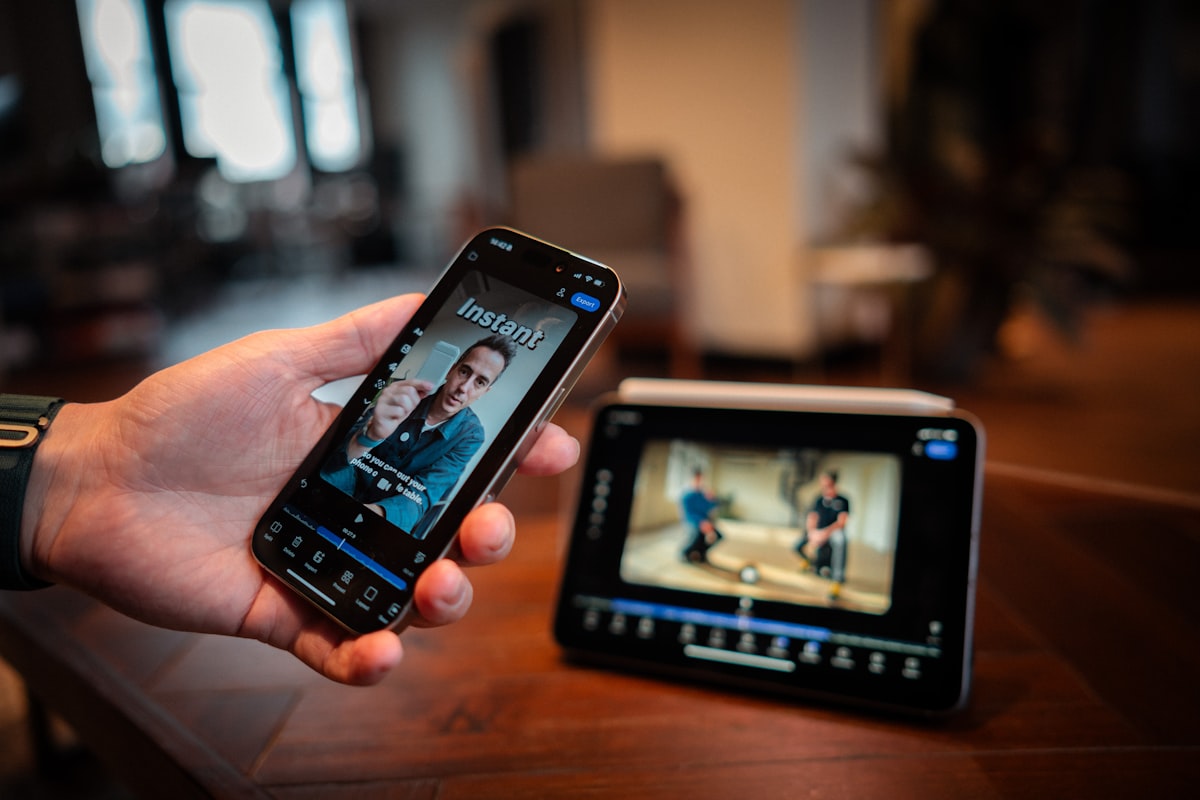
Key features worth understanding before you sign up
- Free, full-featured editing across mobile, desktop and web. Central to what CapCut offers, and the reason it keeps showing up next to paid competitors.
- AI-assist: auto-captions, background remove, colour matching. The clearest differentiator versus typical mobile and desktop editors.
- An extensive template library and effects catalogue. Worth knowing upfront — it shapes how much editing you'll actually do by hand.
- Built-in TikTok integration. Matters most if TikTok is your primary publishing channel.
- A large, active user base. 300M+ monthly active users, per ByteDance — a signal of ongoing support and a fast-moving feature roadmap.
Who CapCut is actually built for
CapCut is designed for content creators, TikTok and Instagram Reels editors, and casual video makers. If that's your profile, the product should feel natural out of the box.
Good fit
Creators who value a free, full-featured editor spanning mobile, desktop and web, want AI-assist baked in, and are switching from InShot for the deeper template library.
Not ideal
Users needing very niche vertical features CapCut doesn't cover, enterprise buyers who need a formal SLA and procurement flow, or budget shoppers who only need a pared-down tool.
How CapCut compares
The main alternatives worth weighing are InShot, Adobe Premiere Rush, and iMovie.
- InShot is the incumbent — most feature-rich, most expensive. CapCut tends to get picked when InShot feels like overkill.
- Adobe Premiere Rush sits at a similar price point, with feature parity close and the differentiators mostly workflow-specific.
- iMovie is a viable option with a different design philosophy, best suited to Apple-only workflows.
For most content creators, CapCut tends to land the sweet spot between price and capability — see our full three-way comparison for the detailed breakdown.

Getting started: the path most people take
- Visit CapCut's current tier structure before you install anything.
- Trial the entry tier for 30 days under real, everyday use.
- Layer in AI-assist tools — auto-captions, background remove, colour matching — once the basics are settled.
- Upgrade to a premium tier only if your workflow actually demands it.
Frequently asked questions
How is CapCut different from InShot? CapCut typically wins on its free, full-featured editor across mobile, desktop and web, plus price. InShot wins on ecosystem depth for users already invested in it.
Is there a free trial? Tier structure and any trial terms rotate — check CapCut's current pricing before committing.
Which tier should I start on? The entry tier, for most users. Upgrade only once you hit a specific feature gap, not proactively.
Is CapCut worth it in 2026? For content creators, yes — the user base and feature roadmap have both stayed active through the year.
If CapCut sounds like the right fit for your workflow, see the current tier options and start with the free entry tier before deciding whether to upgrade.
Want gear like this on your content calendar?
Join AffluencerHub, get AI-matched to brand programs that fit your audience, and track every click to commission in one place.
Apply as a Creator