
A plain-spoken, watt-hours-per-euro face-off for EU buyers deciding between the two big names in portable power.
TL;DR: For most EU buyers chasing value, Bluetti gives you more stored energy per euro and rock-solid LiFePO4 longevity, which makes it the smarter pick for power-cut and balcony-solar backup. EcoFlow wins if you want the absolute fastest charging and most gadgets. Check the current Bluetti EU range and promotions here before you decide. Anker SOLIX and Jackery are worth a look too, for warranty and camping simplicity respectively.
Why this comparison matters
If you've spent an evening comparing power stations, you know the pain: two units look identical, but one costs noticeably more and you can't tell why. Bluetti and EcoFlow are the two brands you'll keep bumping into on EU sites, and they genuinely go head to head across every tier. This isn't a spec-sheet worship piece. It's a value breakdown — how much usable energy each euro buys, and which brand makes more sense for your actual life. I care about watt-hours per euro, cycle life, and not overpaying for features I'll never touch.
At a glance
| Bluetti | EcoFlow | |
|---|---|---|
| Battery chemistry | LiFePO4 across modern range | LiFePO4 on current range |
| Best-known strength | Capacity-per-euro, longevity | Fastest charging, most features |
| Cycle life | Long (top units rated very high) | Long |
| App | Stable, per reviewers | Feature-rich, more firmware complaints |
| Expandable storage | Yes, modular packs | Yes |
| Value verdict | More Wh for the money | Pay more for speed/features |
Head to head
Round 1: Value (watt-hours per euro)
This is the number that matters most if you're paying with your own money. Compare same-tier units and Bluetti generally hands you more stored capacity for the price. That gap widens on the bigger models, where you're buying lots of watt-hours and the per-Wh cost really adds up. EcoFlow's pricing reflects the extra engineering that goes into its fast-charging and feature set — great if you use it, wasted if you don't. Exact numbers move with promotions, so always check current pricing before you commit.
Winner: Bluetti. More usable energy per euro, especially at the top of the range.
Round 2: Charging speed
Credit where it's due — EcoFlow built its reputation on ferociously fast AC charging, and it still leads here. If refilling in the shortest possible time is your priority, that's the EcoFlow pitch. That said, Bluetti is no slouch: it offers strong solar input plus fast dual AC-and-solar recharging, so you can refill quickly by combining both sources. For most people, "charged overnight or during a sunny afternoon" is plenty, and Bluetti delivers that comfortably.
Winner: EcoFlow on raw speed, but the gap matters less than the marketing suggests for everyday use.
Round 3: Longevity and reliability
Both brands run LiFePO4 now, so both should last for years. The difference shows up in software. Reviewers consistently describe the Bluetti app as stable, whereas EcoFlow — for all its features — attracts more firmware complaints. When your backup system's whole job is to work reliably on the worst day of the year, boring and dependable beats clever and occasionally buggy.
Winner: Bluetti. Both hardware platforms are solid; Bluetti's software gives fewer headaches.
Round 4: Features and ecosystem
If you love options, EcoFlow throws more at you — more ports, more accessories, more app tricks. Bluetti keeps things focused: clean pure sine wave output, fast UPS switchover, modular expandable storage, and quiet operation. Both cover the essentials well. Whether EcoFlow's extras are worth the premium depends entirely on whether you'll use them.
Winner: EcoFlow for feature-hunters; Bluetti for anyone who wants the essentials done well without paying for extras.
Round 5: Range and expandability
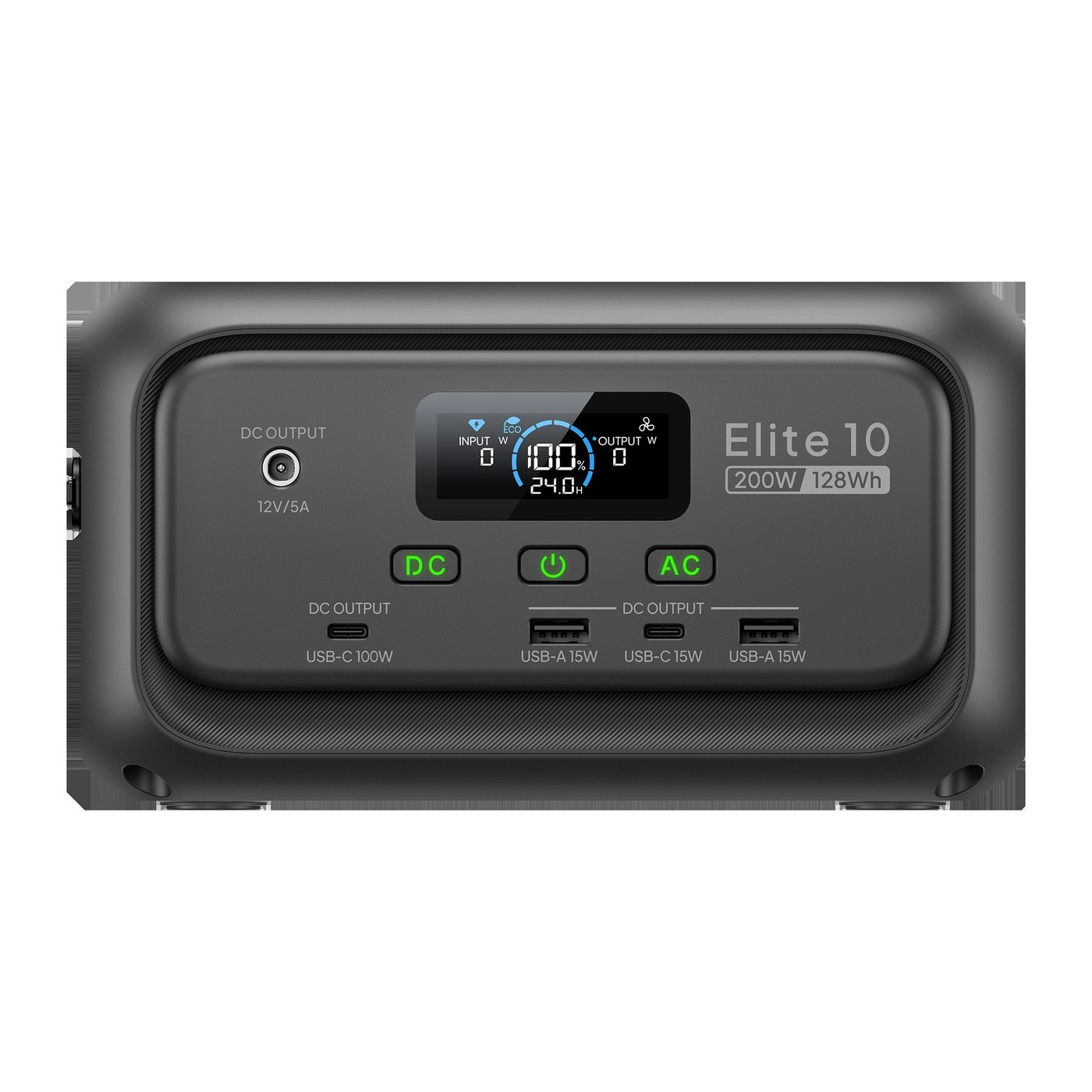
Both offer wide ladders from small units to whole-home systems. Bluetti's spread is impressive — from the compact Elite 10 mini right up to the AC500 and EP-series for home backup, with modular battery packs so you can grow storage over time. That expandability is a quiet value win: buy sensibly now, add capacity later instead of rebuying.
Winner: Tie, with a slight edge to Bluetti on expansion value.
Where do Anker SOLIX and Jackery fit?
Two other names deserve a mention:
- Anker SOLIX is the value-and-support option. Strong warranty and support reputation, competitive pricing — if peace of mind and after-sales matter most, it's a genuine contender against both Bluetti and EcoFlow.
- Jackery leans camping-focused and simpler. Easy to live with for trips, but generally less about expandable home backup. If you only ever want an easy off-grid battery, it's fine; for balcony-solar or serious home backup, the others pull ahead.
Which one for you? Scenarios
"I'm a camper / vanlifer"
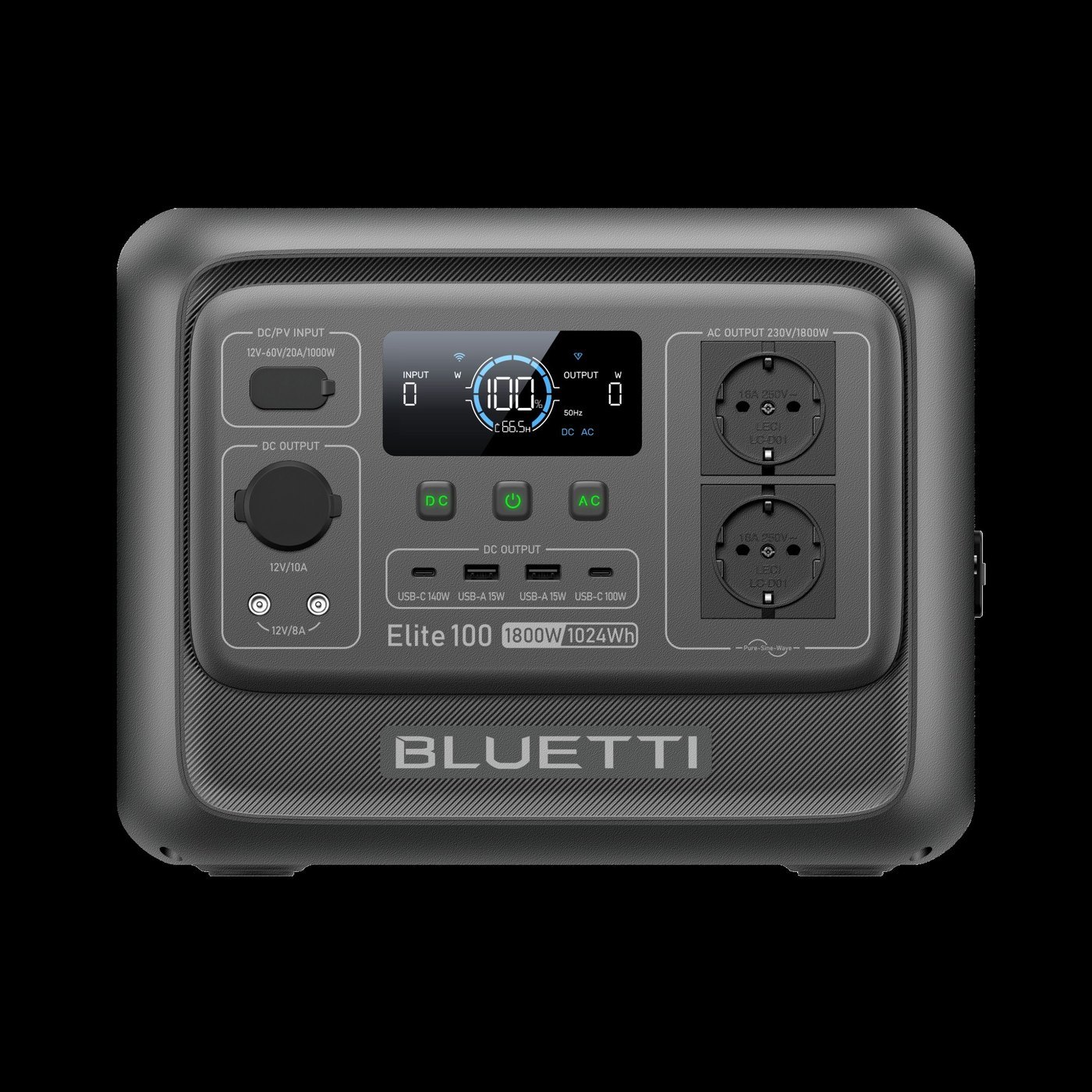
You want reasonable weight, quiet running, and solar input. A mid-size Bluetti (think Elite 100 V2 or an AC200-class unit) covers a fridge box, devices, and lights for days. If you want the lightest possible kit for short trips, the Elite 10 mini is genuinely pocketable. Jackery is the simpler alternative if you don't care about expansion.
"I'm prepping for power cuts and I have a Balkonkraftwerk"
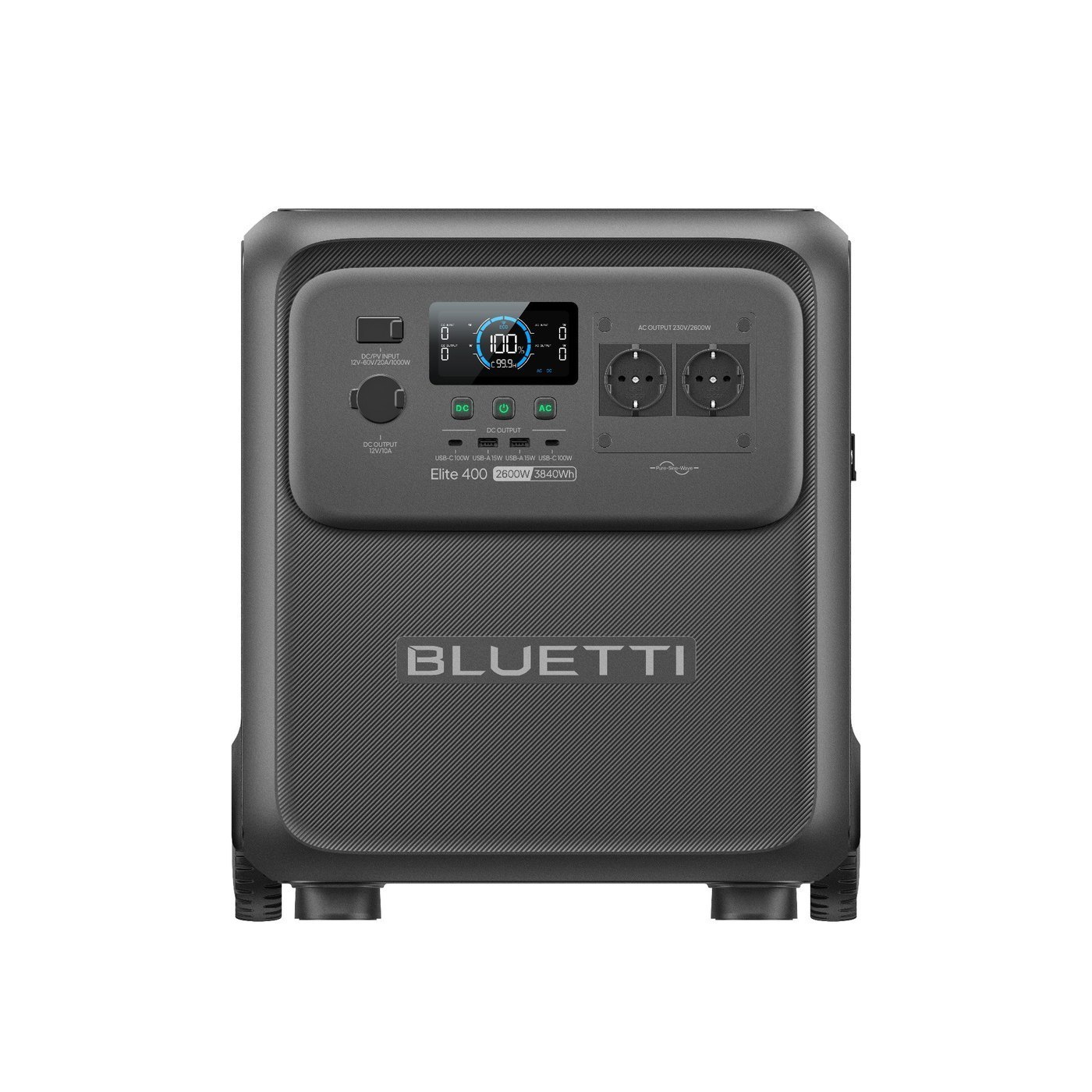
This is Bluetti's home turf for value. You want maximum watt-hours per euro, LiFePO4 longevity for years of cycles, fast UPS switchover to keep the fridge and router alive, and expandable storage to grow alongside your balcony solar. Store your daytime solar surplus and draw it in the evening instead of exporting cheaply. A ~2kWh unit is a sensible start; step up to an Elite 300, Elite 400, or the AC500/EP-series if you want to back up more.
"I'm a tradesperson"
You want dependable output for tools and a quiet alternative to a fuel generator on site. Check the continuous and surge wattage against your heaviest tool, and consider the rugged, weather-resistant AC240. Bluetti's value pricing means you can buy more headroom for the same spend.
Verdict
If your priority is fastest charging and the fattest feature list, EcoFlow earns its premium. But for the majority of EU buyers — especially those prepping for outages or pairing with a Balkonkraftwerk — Bluetti wins on the metrics that matter: more watt-hours per euro, LiFePO4 longevity, a stable app, and modular expandability. Anker SOLIX is the warranty-first alternative; Jackery is the easy camping pick.
The smart move is to compare current EU prices, since Black Friday and seasonal promotions swing the value equation hard. You can check the live Bluetti EU range and deals here and see how the per-euro maths lands today.
FAQ
Is Bluetti actually cheaper than EcoFlow? Tier for tier it usually offers more capacity per euro, but exact figures depend on the promotion — check current pricing.
Do both use LiFePO4? Yes, both current ranges use LFP cells, so both should last many years.
Which app is better? EcoFlow has more features; Bluetti's is more consistently described as stable. For backup reliability, stability wins.
Are EU models the same as North America? No — model names, bundles, and availability differ. Compare EU listings directly.
Disclosure: This post contains affiliate links. We may earn a commission from purchases made through these links at no extra cost to you. Prices and availability accurate at time of writing.
Disclosure: affiliate link — we may earn a commission at no extra cost to you.
Want gear like this on your content calendar?
Join AffluencerHub, get AI-matched to brand programs that fit your audience, and track every click to commission in one place.
Apply as a Creator