
Same store, three very different ways to spend. This is a bargain-hunter's breakdown of BIG W by price tier: the entry-level buys that punch above their dollar figure, the mid-range gear that hits the sweet spot, and the premium picks that only make sense when the sale price is right. Aussie pricing, real trade-offs, and where each dollar actually goes.
Let me talk money, because that's the only lens I shop through. BIG W sits in the same discount-department bracket as Kmart and Target, and the trap is treating everything as "cheap." It isn't. Within one store you've got throwaway impulse buys, workhorse mid-range gear, and the occasional big-ticket item. Knowing which tier you're in stops you overpaying for something that should've been ten bucks, and stops you buying rubbish when spending a bit more would've lasted years.
So here's how I split it. Three tiers, what I'd actually put in each basket, and the maths on when to trade up or down.

01Tier 1: Entry — spend little, expect little (and that's fine)
The entry tier is where BIG W competes hardest with Kmart on raw price. This is your consumables and your "it just needs to do the job" stuff. Nappies, wipes, basic towels, kids' stationery, pocket-money toys, plain tees, storage tubs.
The trick here is total cost, not sticker price. A single-pack of nappies looks cheap; a bulk carton works out cheaper per nappy and saves you a trip. Same logic on wipes, batteries, and kids' socks that vanish in the wash. I buy these in the biggest sensible pack every time.
Entry-tier picks worth it:
- Bulk nappies and wipes — the per-unit maths wins
- Plain-basics clothing (tees, socks, underwear, school basics)
- Storage tubs and kitchen odds and ends
- Pocket-money and stocking-filler toys
Where I'd hold off: the very cheapest towels and sheets. They're fine for a spare room, but you'll notice them thinning after a dozen washes. That's a false economy if it's your everyday set.
You can see the current entry-level rotation on the BIG W deals page, which is where the sharpest per-unit prices tend to surface.
02Tier 2: Mid — the sweet spot where BIG W earns its money
This is my favourite tier and the one I reckon most people should live in. Mid-range at BIG W means you're paying a little more than the floor price for a real step up in quality or brand. It's where the value curve is steepest.
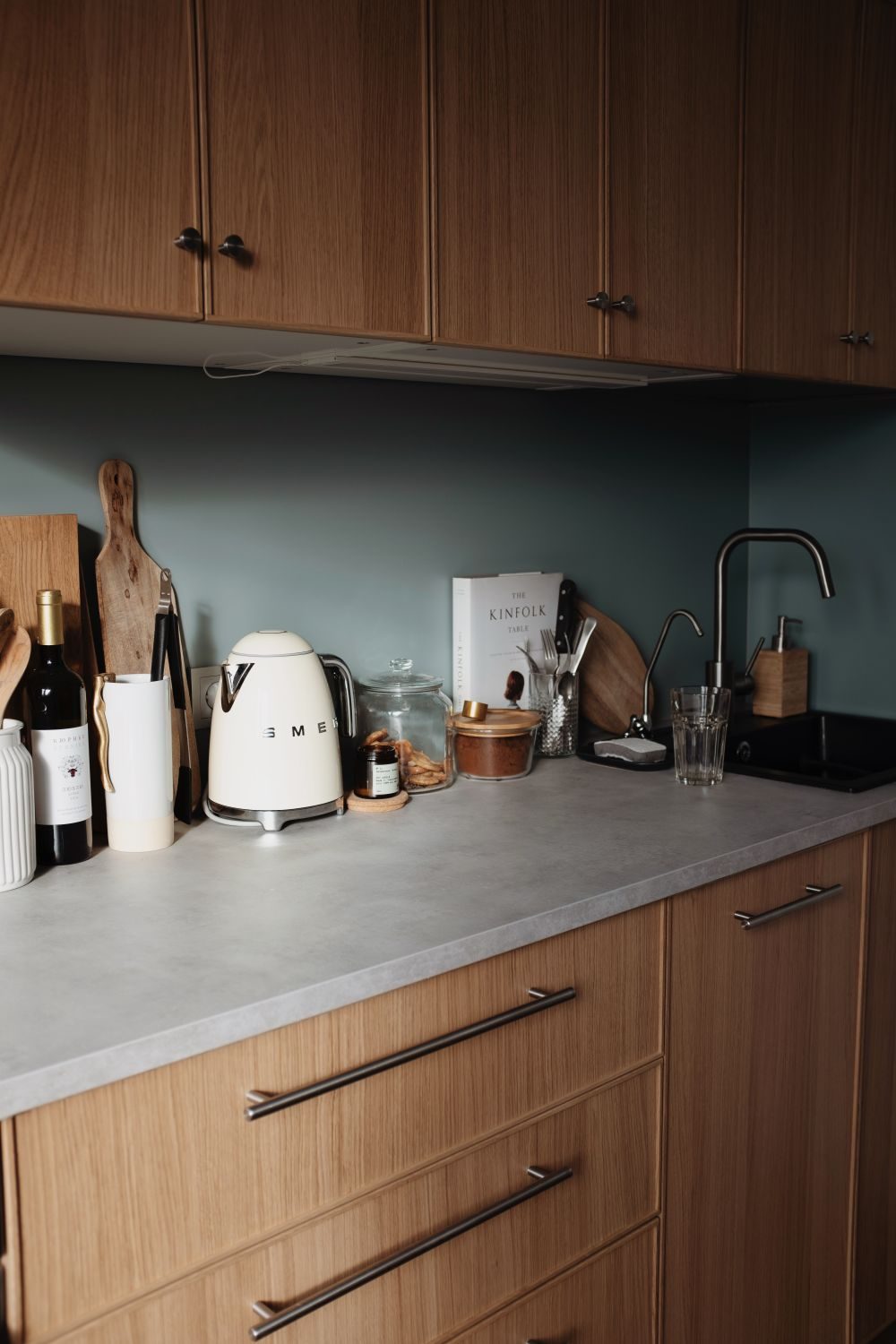
Think: a decent manchester set instead of the cheapest sheets, brand-name licensed toys instead of generic, a mid-tier air fryer or kettle instead of the no-name one that dies in a year. The extra spend here is small in absolute terms and pays you back in longevity.
| Item type | Entry approach | Mid approach | Why mid wins |
|---|---|---|---|
| Bedding | Cheapest sheet set | Mid manchester quilt set | Softer, lasts more washes |
| Toys | Generic play set | Licensed LEGO / Barbie | Resale + play value holds |
| Kitchen | No-name appliance | Mid brand air fryer | Fewer replacements |
| Kids' clothing | Basics multipack | Branded outerwear | Survives a full season |
The maths I run: if spending roughly 30 to 50 per cent more roughly doubles how long something lasts, the mid option is cheaper over time. Manchester and small kitchen appliances almost always pass that test. You can browse the mid-range home range to see where those step-ups sit.
03Tier 3: Premium — only at the right price
Now the big-ticket stuff: larger TVs, gaming consoles and bundles, prams, bigger appliances, premium toy sets. Here's my hard rule for premium buys at a discount department store: I only pull the trigger when the catalogue or flash-sale price genuinely beats what the specialists are charging. Otherwise I'd rather buy tech from a dedicated electronics retailer with better advice and range.
The good news is those windows exist. During catalogue events and the online flash sales, I've seen entry-and-mid TVs, consoles, and premium toy sets land at prices that undercut the usual suspects. The move is to know the model's going rate first, then pounce when BIG W's price drops under it.
Premium picks that can be worth it — when on sale:
- Budget-to-mid TVs during a catalogue event
- Console bundles and big-ticket games during the Toy Sale or seasonal sales
- Premium licensed toy sets (the LEGO and collector lines) on multi-buy
- Larger nursery items like prams and cots when clearance hits
The discipline: never buy premium at full shelf price here on impulse. Set a target price, wait for the flash sale range to hit it, and only then commit.
Stacking savings across every tier
Three habits that work regardless of tier. First, link an Everyday Rewards card so you're at least earning points on spend you're making anyway. Second, watch the fortnightly catalogue cycle; the same item swings between tiers depending on whether it's on promotion. Third, use free lay-by during the Toy Sale to spread premium toy spending across pay cycles instead of hammering one week's budget.

Put simply: shop entry for consumables, live in the mid tier for anything you'll use daily, and only touch premium when the sale price does the arguing for you.
BIG W — shop by tier
Entry-tier consumables at per-unit value, mid-tier manchester and small appliances at the sweet spot, premium buys only when the catalogue or flash-sale price beats the specialists.
🛒 Australian discount department store · Woolworths group · Everyday Rewards points on your spend. Affiliate link — we may earn a commission at no extra cost to you.
FAQ
Is BIG W cheaper than Kmart? Not across the board. Kmart usually wins on the absolute cheapest homewares. BIG W competes hardest on toys, baby consumables, books, and brand-name items on sale. For per-unit value on bulk consumables, compare the actual per-pack price rather than the headline.
When are the best prices at BIG W? The fortnightly catalogue cycle, online flash sales, and the mid-year Toy Sale are the windows where prices genuinely drop. Everyday shelf pricing is fair but rarely the sharpest.
Is the mid tier really worth the extra spend? For anything you use daily — bedding, kitchen appliances, kids' clothing — usually yes. The rough test: if paying 30 to 50 per cent more clearly doubles the lifespan, the mid option costs less over time.
Should I buy electronics at BIG W? Only when the sale price beats the specialists. The range is limited and you won't get deep product advice, but the catalogue and flash-sale prices on budget-to-mid gear can be genuinely competitive. Know the model's going rate first.
Does free lay-by help with premium buys? Yes, especially during the Toy Sale. It lets you lock in a price and spread payments across pay cycles without interest, which softens the hit of a bigger toy or gift spend.
Want gear like this on your content calendar?
Join AffluencerHub, get AI-matched to brand programs that fit your audience, and track every click to commission in one place.
Apply as a Creator