Zero-drop, foot-shaped toe boxes, "Balanced Cushioning" — what Altra's design actually means for your feet, and how to pick your first pair.
Altra shoes look a little different on the shelf. The toe box is wider, almost fan-shaped, and the heel sits level with the forefoot instead of raised. That's not a styling quirk — it's the whole idea. If you've heard runners talk about "zero-drop" and wondered whether it's marketing or something real, this guide breaks down what Altra does differently and who it's actually for.
The two ideas behind every Altra
Altra is built on two design principles, and understanding them tells you most of what you need to know.
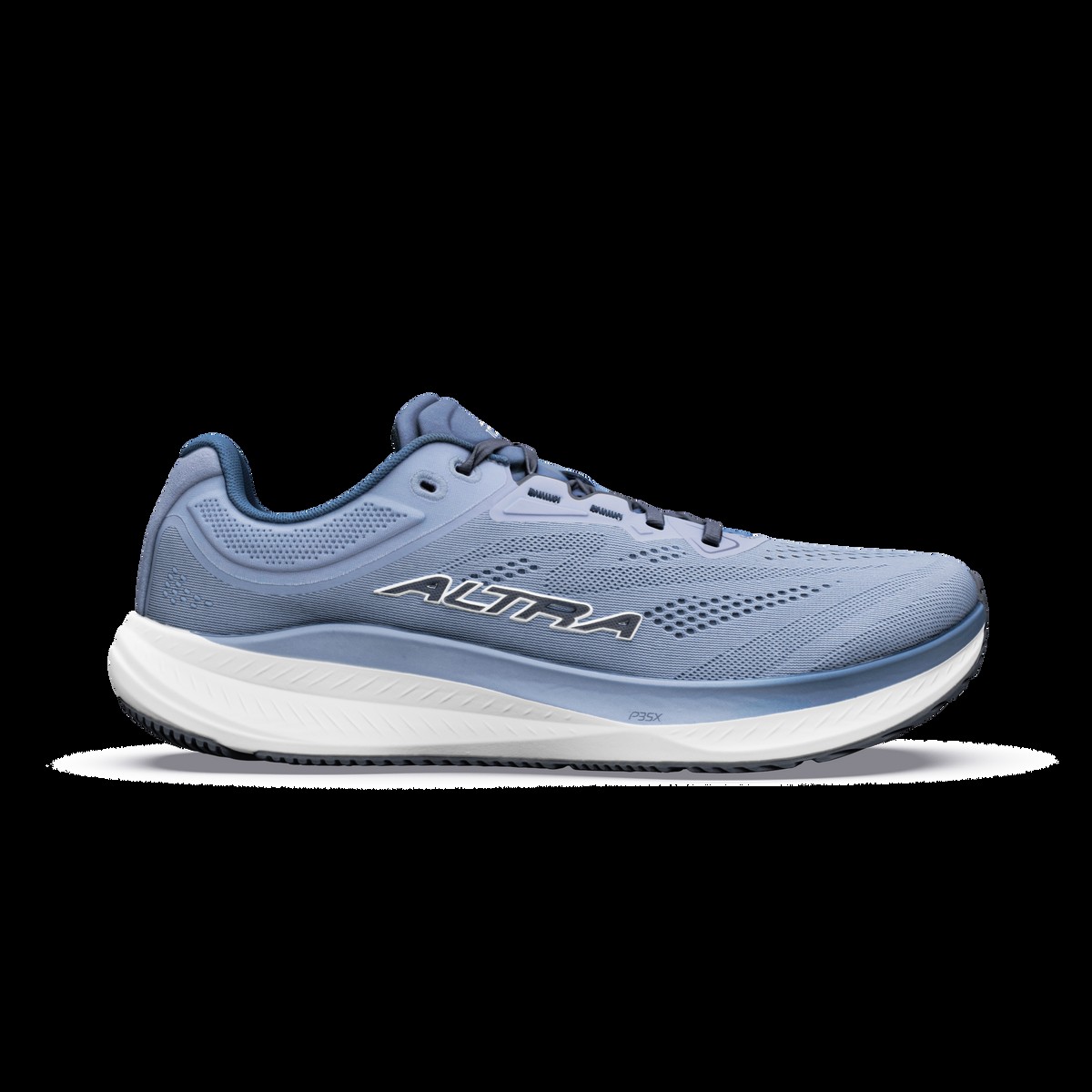
Zero Drop. In a typical running shoe, the heel sits higher than the forefoot — usually by 8–12mm. Altra sets heel and forefoot at the same height (zero drop), which Altra calls Balanced Cushioning. The idea is a more level, natural foot position, closer to how you'd stand barefoot, encouraging a midfoot landing rather than a heavy heel strike.
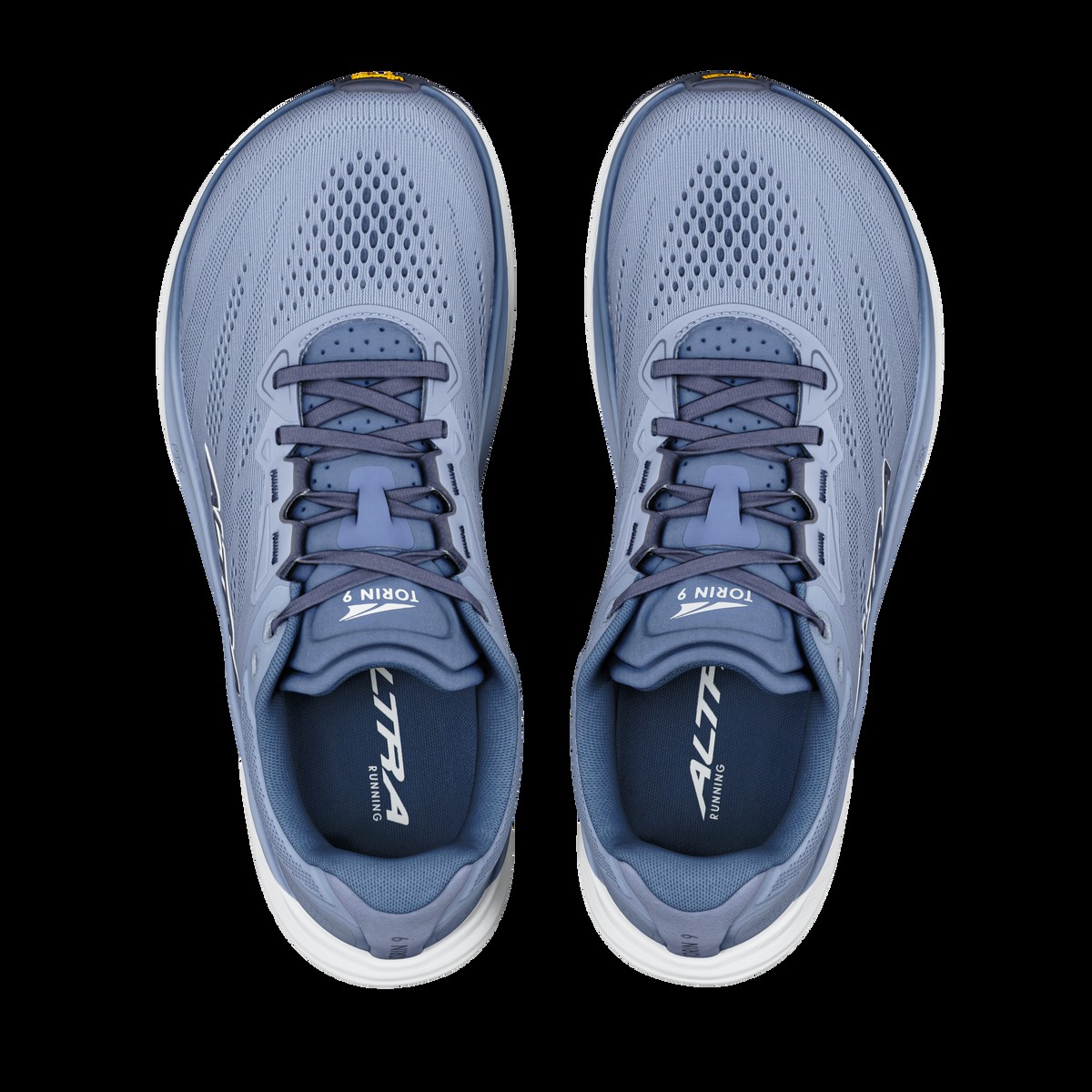
FootShape toe box. Instead of tapering to a point, Altra's toe box is shaped like an actual foot — wide at the toes. This lets your toes spread on landing and toe-off, which matters for stability and comfort, especially on longer runs and for anyone whose toes feel cramped in conventional shoes.
Zero drop is not the same as minimal cushioning — a common mix-up. A shoe like the Torin is heavily cushioned; it's just cushioned evenly, heel to toe.
Who zero-drop actually suits
It's not for literally everyone on day one, and Altra is honest about that. It tends to suit:
- Runners who feel cramped across the toes in standard shoes.
- People chasing a more natural, midfoot foot strike.
- Anyone who values toe splay for stability — trail runners especially.
If you're coming from years of high-drop shoes, your calves and Achilles have adapted to that raised heel. Zero-drop asks a bit more of them at first, which is why transitioning gradually matters (more on that below).
Picking your first pair
Altra's range splits mostly by terrain. Start there.
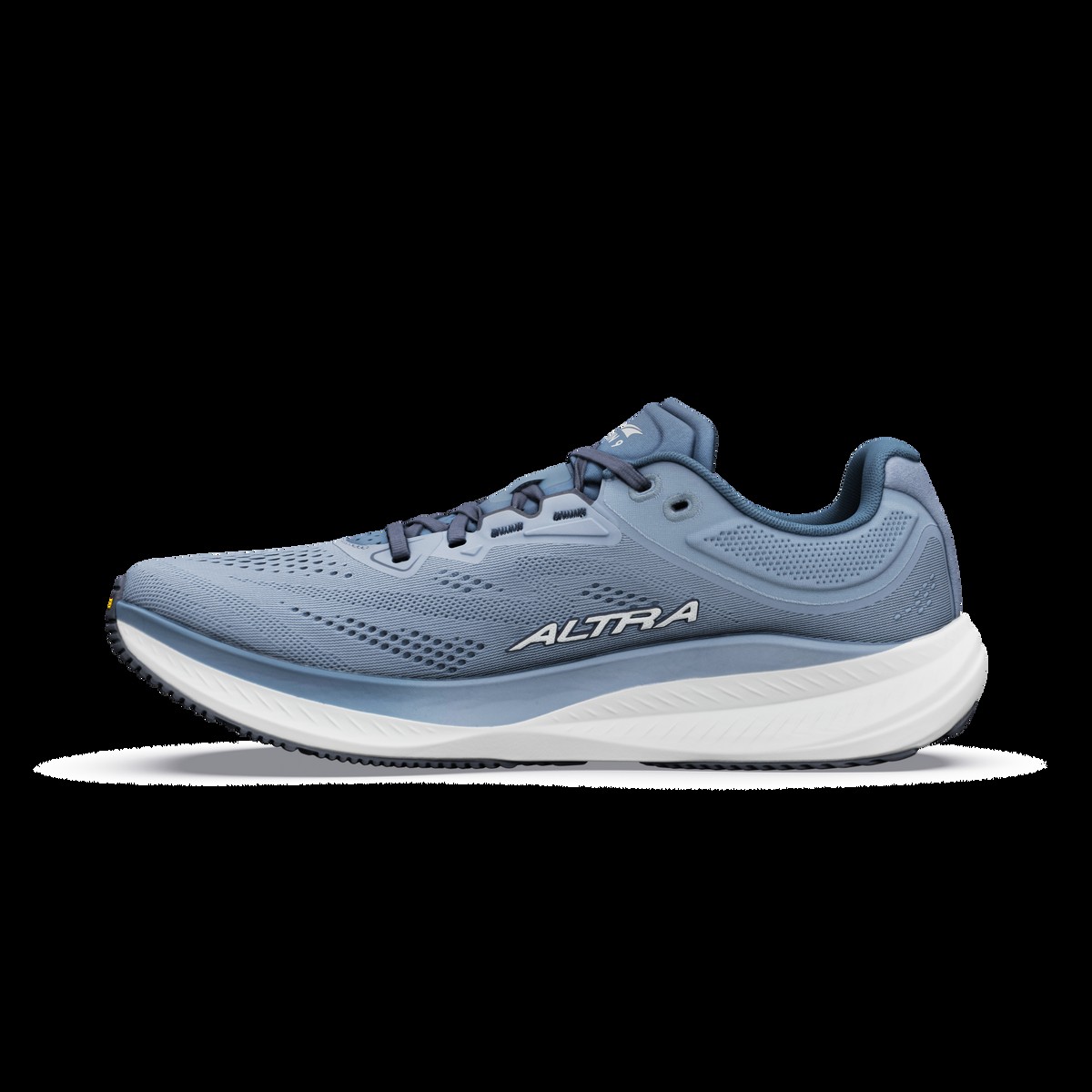
Road / daily training — the Torin. A well-cushioned road shoe for everyday miles. If most of your running is on pavement and you want comfort over long distances, this is the natural starting point. The Torin 9 has been reviewed by outlets including Runner's World, which is a good sign for a shoe you'll put real mileage on.
Trail — the Lone Peak. Altra's flagship trail shoe and one of the most recognisable on the trail. The wide toe box earns its keep on uneven ground, where toe splay helps you stay planted. If your running goes off-road, this is the one people point to first.
How to choose between them: map it to where your feet actually spend time. Mostly pavement → a road model like the Torin. Mixed or off-road → Lone Peak. Don't buy the trail shoe for road running or vice versa; the outsoles are built for different ground.
Transitioning without hurting yourself
This is the part people skip and regret. Moving to zero-drop is a change your lower legs need to adapt to.
- Ease in. Start with shorter runs in the Altras and keep your old shoes in rotation for the first few weeks.
- Expect calf tightness early. A level heel loads the calves and Achilles more than you're used to. Mild tightness is normal; sharp pain is not — back off if you feel it.
- Build gradually. Add distance in the new shoes over several weeks rather than switching cold for a long run.
- Let your feet get used to the space. The wider toe box feels roomy at first. That's the point — give it a few runs before judging fit.
Frequently asked questions
Does zero-drop mean no cushioning?No. Zero-drop describes the level heel-to-toe geometry, not the amount of foam. Altra makes plenty of well-cushioned zero-drop shoes — the Torin is a cushioned daily trainer.
Will Altra help with toe or forefoot discomfort?Many runners choose Altra precisely because the foot-shaped toe box gives the toes room to spread. If narrow toe boxes bother you, it's worth trying.
Do I need to transition slowly?If you're coming from raised-heel shoes, yes. Introduce the Altras over a few weeks so your calves and Achilles adapt. Rushing is the main cause of early soreness.
Road or trail model for a first pair?Match it to your terrain: a road shoe like the Torin for pavement, the Lone Peak for trails. Where you run matters more than which looks better.
The bottom line
Altra's pitch is simple: a level platform and a foot-shaped toe box, so your foot can work the way it naturally does. It suits runners who want toe room and a midfoot stance, as long as you transition in sensibly. Pick by terrain, ease into it over a few weeks, and give your feet time to adjust. If that sounds like what your runs have been missing, have a look at Altra's current range and start with the model that matches where you run.
Disclosure: This post contains affiliate links. We may earn a commission from purchases made through these links at no extra cost to you. This article is general information, not medical or training advice. Prices and availability are accurate at the time of writing.
Disclosure: affiliate link — we may earn a commission at no extra cost to you.
Want gear like this on your content calendar?
Join AffluencerHub, get AI-matched to brand programs that fit your audience, and track every click to commission in one place.
Apply as a Creator